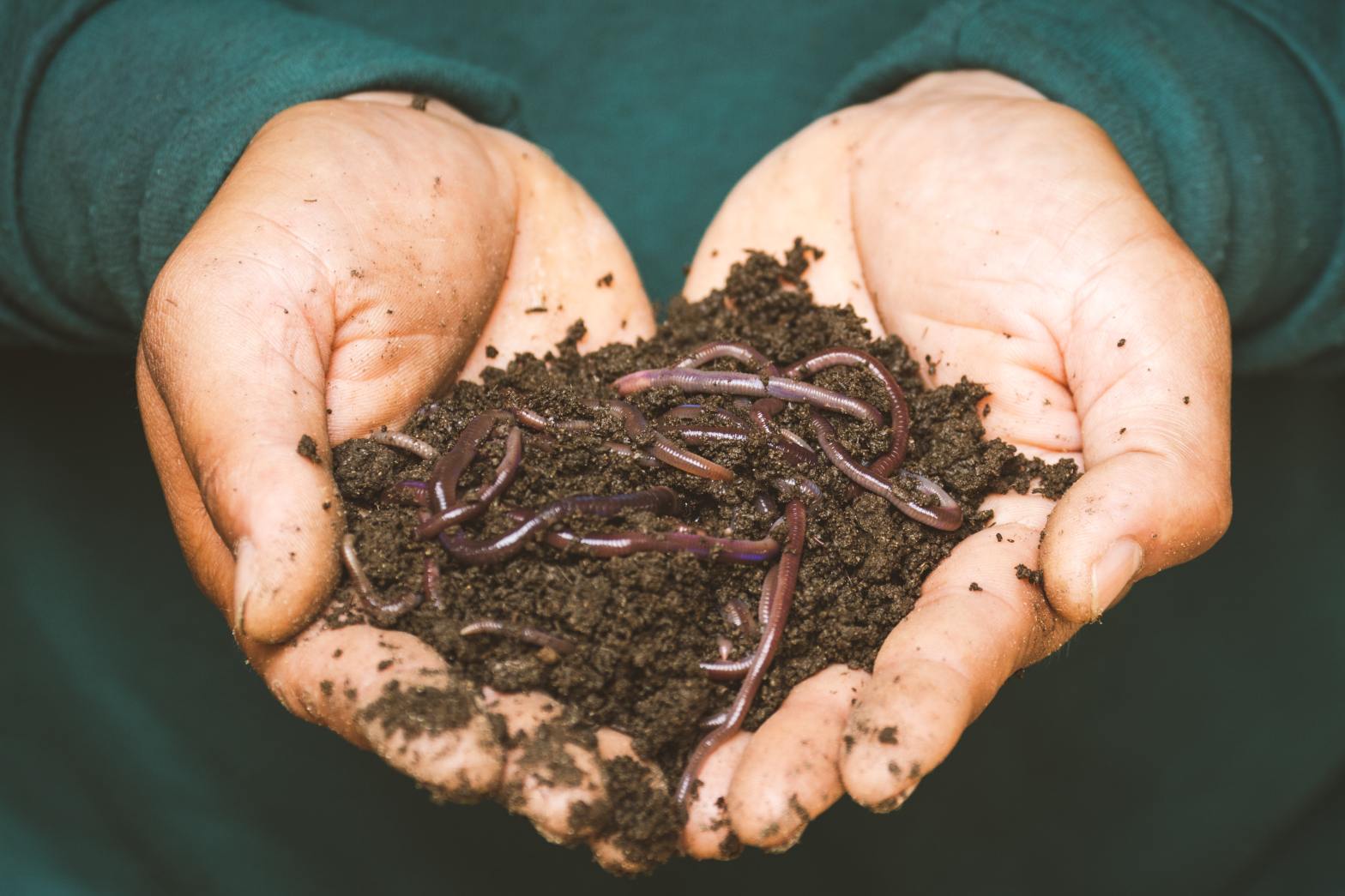
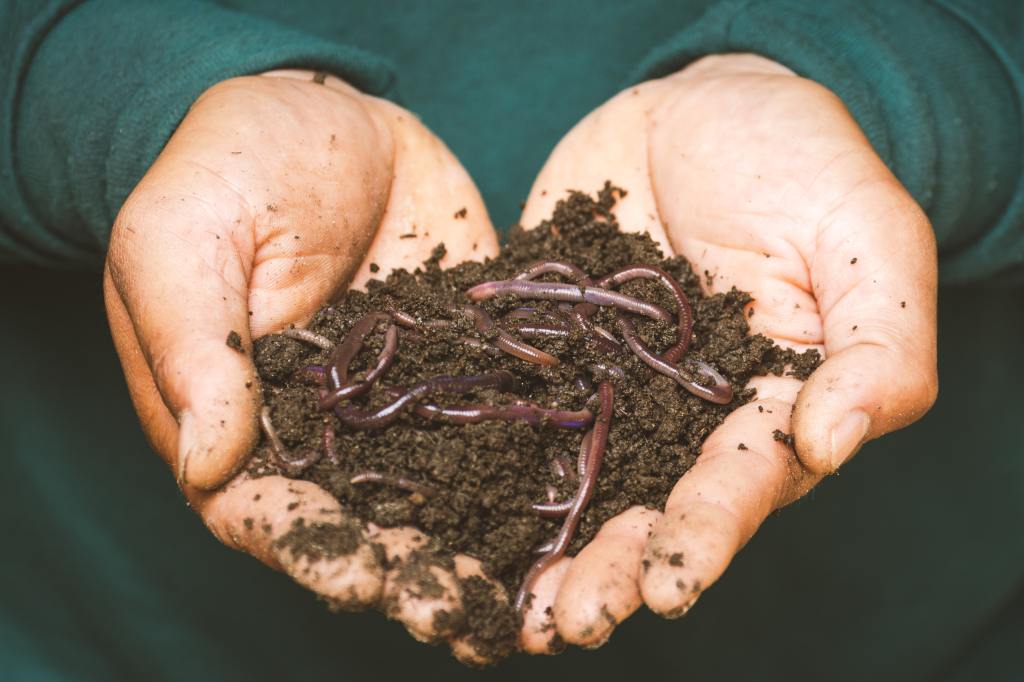
Composting is one of the easiest way to reduce waste and give your garden the boost it needs!
Composting helps to reduce the amount of organic waste that ends up in landfills, which in turn reduces the production of harmful greenhouse gases that are generated when this waste decomposes. Instead, organic waste can be transformed into nutrient-rich soil that can be used to grow plants, which is a much more sustainable alternative.
As you can imagine, the cost of compost has risen along with everything else so a free supply could really help your pocket as well! Composting can help you save money by providing you with nutrient-rich soil for your garden or plants, eliminating the need to purchase expensive fertilizers or soil amendments. In addition, composting can help to conserve water by increasing the soil’s ability to retain moisture, which can be especially important in areas where water is scarce.
What Can I Compost?
- Fruit and vegetable scraps
- Coffee grounds and filters
- Tea bags
- Eggshells
- Nutshells
- Grass clippings
- Leaves
- Yard trimmings
- Sawdust
- Wood chips
- Shredded newspaper
- Cardboard
- Paper towels
- Cotton and wool rags
- Hair and fur
- Dryer and vacuum cleaner lint
It is important to note that there are some items that should not be added to a compost pile, such as meat, dairy products, oils, and pet waste. These items can attract pests and slow down the composting process.
Coffee grounds are a great addition to compost because they are rich in nitrogen, which helps to break down organic matter and add nutrients to the soil. They also improve soil structure and water retention, making them a beneficial addition for gardeners.
To compost tea bags, first remove any staples, strings or tags. Then, simply add the tea bags to your compost bin along with other compostable materials like fruit and vegetable scraps, yard waste, and shredded paper. The tea bags will decompose over time and add valuable nutrients to your compost.
To compost eggshells, simply rinse them and let them dry. Then crush them into small pieces and add them to your compost bin or pile. Eggshells are a great source of calcium for your compost and help to balance the pH levels.
You can compost paper made from natural materials such as uncoated paper, newspaper, paper towels, and tissue paper. However, it is best to avoid glossy or coated paper as they may contain chemicals that are harmful to the composting process. Additionally, it is important to shred the paper into small pieces before adding it to the compost pile to help it decompose more quickly.
It is not recommended to compost bones as they take a long time to decompose and can attract pests. Some gardeners have found that they can be added to compost after being very well cooked, dried, and ground into bone meal. Others have found benefits to simply burying bones or small carcasses directly into the garden. I would suggest a deep hole to avoid any critters digging up your garden!

Hot Composting
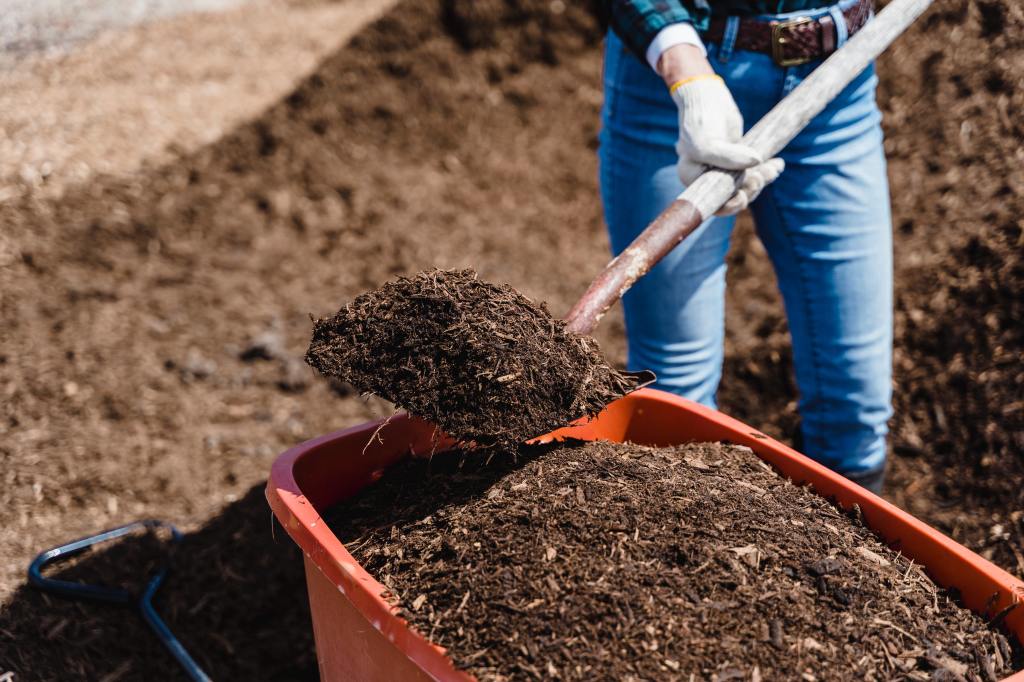
Hot composting is a method of composting that uses high temperatures to break down organic material quickly. It typically involves layering organic materials such as leaves, grass clippings, and food scraps in a pile, and then regularly turning the pile to promote the breakdown of the material. The high temperatures generated by the composting process help to kill off pathogens and weed seeds, resulting in a more efficient and effective composting process.
Here are the basic steps to hot compost:
- Gather your materials, including a mixture of “green” nitrogen-rich materials and “brown” carbon-rich materials.
- Create a pile or bin with your materials, making sure it is at least 3 feet by 3 feet by 3 feet in size.
- Keep the pile moist, but not too wet.
- Turn the pile frequently, about once a week, to add oxygen and distribute heat.
- Monitor the temperature of the pile with a thermometer, aiming for a temperature between 130 and 160 degrees Fahrenheit.
- After about 1-3 months, the compost should be ready to use in your garden or landscaping.
How to make a Kitchen Compost Bin
To make a kitchen compost bin, you will need a container with a lid, such as a plastic bin or a metal bucket. Drill several small holes in the bottom and sides of the container to allow for air flow.
Place a layer of soil or shredded paper at the bottom of the container, and then add your food scraps, such as fruit and vegetable peelings, eggshells, and coffee grounds.
Cover the scraps with another layer of soil or shredded paper, and repeat the layering process until the container is full. Make sure to keep the compost moist and turn it occasionally to promote decomposition.
Once the container is full you can either burry the compost into your garden or start a compost pile somewhere out-of-the-way so is can further break down.
The trick to keeping a kitchen compost bin from stinking is to ensure there is enough brown material included. If you should notice a smell from the bin you can either empty it, or add in a little soil or shredded paper.

Overall, composting is a simple yet powerful way to promote sustainability and protect the environment for future generations.
If you enjoyed learning about composting, I urge you to join our community of environmentally conscious individuals and share your tips and experiences on living sustainably! If you’d like to feature your website or product, share your tips on composting, or have any additional resources please feel free to reach out.
 Rox Recycles
One thought on “6 Easy Steps to Hot Composting and Why You Should Do It”