

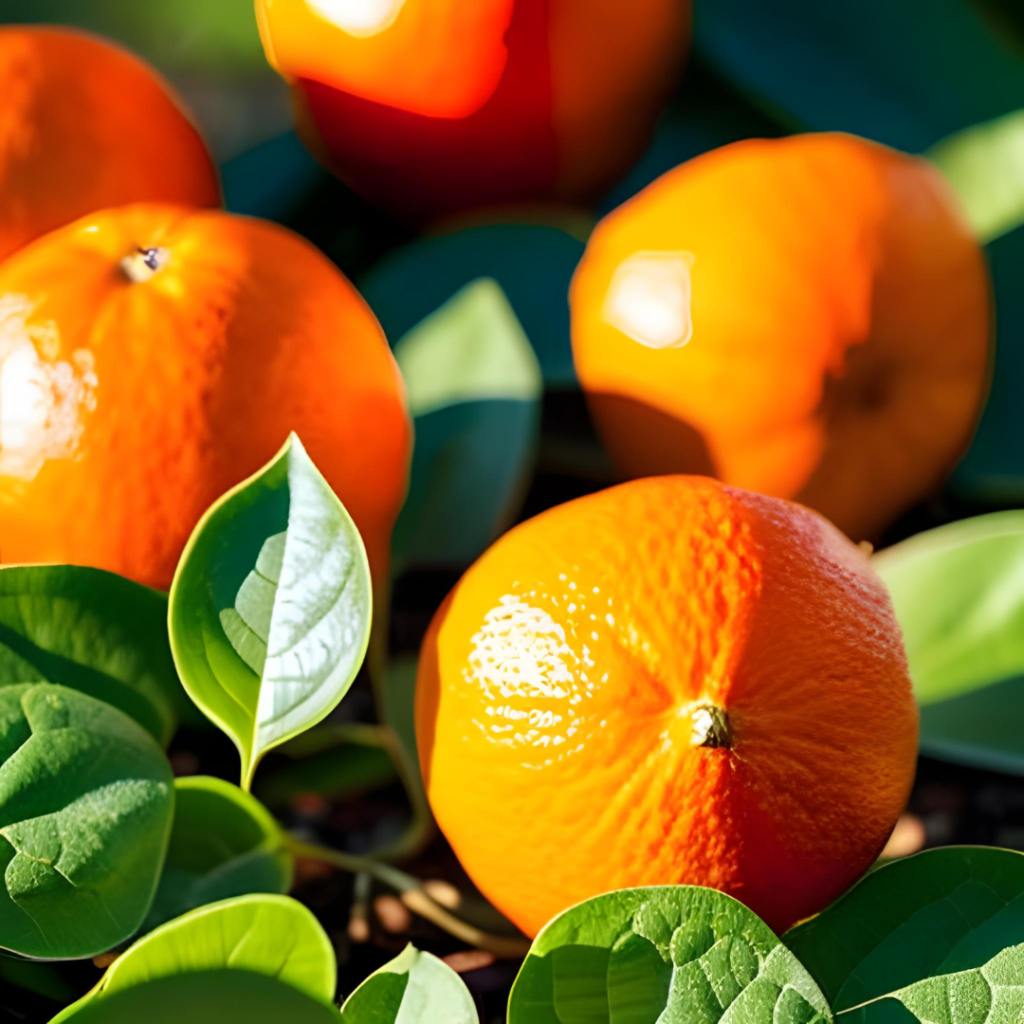
Orange peels are often discarded as waste, but they can actually serve many valuable purposes. From flavor to fertilizer to repellant, the humble orange peel can be used in many ways to further sustainable living. In this post I’ll outline some great reasons to keep Orange Peels OUT of our land fills and include some ideas to help you get started.
The orange peel contains nutrients such as vitamin C, fiber, and antioxidants. It may also have anti-inflammatory properties and can be used in cooking to add flavor to dishes.
Orange peels contain flavorful oils that can be used in cooking and baking. The zest of an orange can add a bright, citrusy flavor to everything from cakes to cocktails. By using orange peels instead of throwing them away, we can reduce our reliance on artificial flavorings and create delicious, all-natural dishes.

Additionally, some people use orange peel as a natural cleaner or as an ingredient in skincare products.
To make my favorite Orange Smoothie Boosters:
Clean and scrub whole oranges and then boil in a large pot until tender. (About 15-20 minutes.) Puree whole oranges in processor or blender. Pour into ice cube trays and freeze. That simple! Add a few to any smoothie to boost vitamin C and fiber and to add a punch of citrus!
Why would you want to use your orange peels for cleaning?
Orange peel contains natural oils and compounds that have powerful cleaning properties, such as limonene and citric acid. These compounds can help dissolve grease and grime, remove stains, and leave surfaces smelling fresh. Additionally, using orange peel as a cleaner is an eco-friendly and cost-effective alternative to many commercial cleaning products that may contain harsh chemicals.
To make my favorite Orange Peel Cleaner:
Save your orange peels (along with any other citrus peels) in a spare glass jar. Be sure to rip the peels into teeny-tiny pieces or even cut with scissors to make tiny strips! Once full, fill that jar with White Vinegar, making sure to completely cover the orange peels. Let the solution sit for at least 1 week. The longer it sits, the stronger the citrus smell! Pour the citrusy vinegar into a spray bottle and dilute slightly with water. Spray on surfaces just like any other multi-surface cleaner! You can repeat this process with the same peels multiple times. Once the citrus juices are nearly spent, use them in the garden!

Other uses for your orange peels:
Orange peels can also be a useful addition to your garden. They contain nutrients such as nitrogen, phosphorus, and potassium that are beneficial for plant growth. You can chop them up and sprinkle them around your plants as a natural fertilizer, or mix them into your compost pile to add some acidity. Be sure to avoid using orange peels near plants that are sensitive to citrus, such as brassicas and beans, as it may harm them.
There are several plants that have an affinity for acidity, including Blueberries, Azaleas, Rhododendrons, and Camellias. These plants require soil with a pH level between 4.5 and 6.0 to grow properly. Other plants that prefer acidic soil include Evergreens and many deciduous trees as well as Dogwood, Gardenia, Begonias, and, Nasturtium.
Orange peels contain a natural compound called d-limonene which is known to repel insects. Although it may not be as effective as other commercially available insect repellents, you can use the peels as a natural insect repellent by placing them in areas where insects are likely to enter, such as windowsills and doorways. The strong citrus smell of orange peels can also be unappealing to furry creatures such as cats, rodents, and squirrels!
Bonus DIY: Orange, Sage, and Cinnamon Simmer Pot
For more things to do with your Orange Peels, try this DIY! Here’s what you’ll need:
- A tiny pot
- Orange peels and/or dried orange slices
- Sage
- Cinnamon
For my simmer pot, I used some fancy dried blood orange slices I just happened to have left over. Plain old orange peels would do just fine here! After all, it’s all going to the compost in the end. While any fragrant herb would do, I used my mottled Sage trimmings from a recent garden harvest. This is a great way to use some of your uglier herbs that you would want to use for cooking. Finally, I used Cinnamon sticks, which I think will serve you way better then the messy powder.
Throw them all in the pot, cover with water, and boil to your heart’s delight! I absolutely love how this fills up my whole house with the scent of fall!
Check out my quick tutorial here:
All-in-all, orange peels are a fragrant delight with many hidden uses. By finding creative ways to use orange peels, we can reduce waste, support sustainable living, and enjoy a range of benefits for ourselves and the environment. So the next time you have an orange, think twice before tossing the peel in the trash – it could have a valuable second life.
If you enjoyed learning about these orange peel benefits, I urge you to join our community of environmentally conscious individuals and share your tips and experiences on living sustainably.
Together, we can create a brighter and greener future for generations to come!
 Rox Recycles