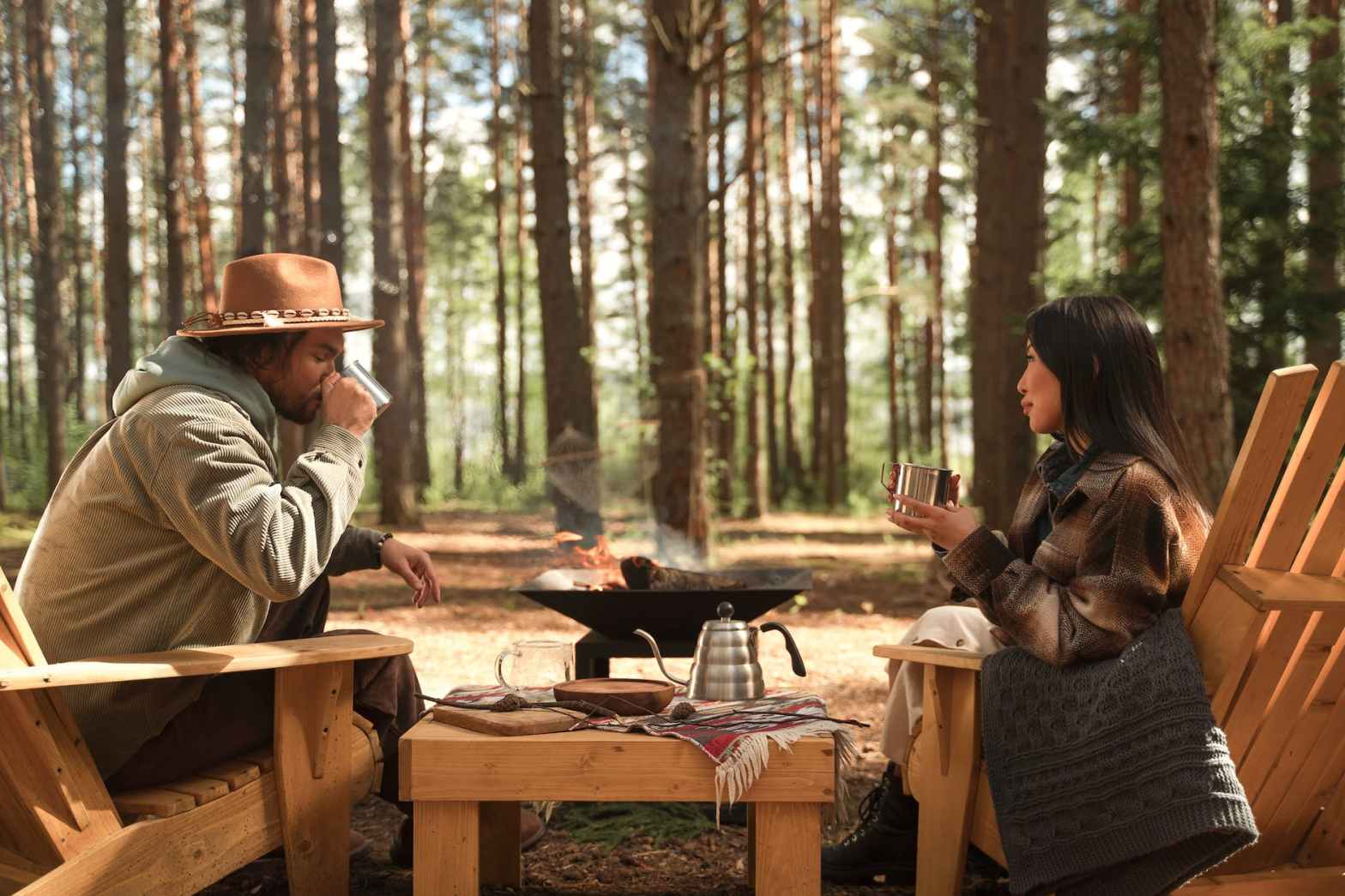
Camping is a wonderful way to connect with nature and enjoy some time outdoors.
It allows you to disconnect from technology, get some exercise, bond with family and friends, and reduce stress levels. Camping can provide a refreshing break from screens and constant notifications while creating lasting memories in the great outdoors. Most importantly, camping is a budget-friendly vacation option. With a little bit of planning and preparation, it can be a low-cost way to enjoy the outdoors and create lasting memories.
So if you’re looking for a way to recharge and connect with the natural world, consider packing up your tent and heading to the great outdoors for a camping adventure.
Camping and Littering
Camping is an excellent way to get out into nature but, unfortunately, some people treat the wilderness as their personal trash can. According to a recent study by the Leave No Trace Center for Outdoor Ethics, 96% of surveyed campers said that littering is a problem in the outdoors.
In particular, the study found that cigarette butts are the most commonly littered item, followed by food wrappers, plastic bottles, and cans. The study also found that campers who stay longer in the outdoors tend to produce more litter than those who stay for shorter periods.
It is important to remember that littering not only spoils the natural beauty of the outdoors, but it can also harm wildlife and the environment.
Here are some tips to stay litter-free while camping:
- Bring reusable containers and utensils to minimize waste. To save space I’d suggest these Reusable Gallon Freezer Bags. You could even use one to hold a few sets of flatware from home or you could purchase this cute ZOKU Pocket Utensil Set from Amazon.
- Plan meals and bring only the necessary amount of food to reduce excess packaging and leftovers. To avoid attracting wildlife to your campsite, store your food and trash in a bear-resistant container or hang it from a tree at least 10 feet off the ground and 4 feet away from the trunk.
- Dispose of trash properly by using designated bins or packing it out if there are no facilities available. If you have paper trash, such as paper plates or napkins, you can burn them in a campfire. Make sure the fire is completely out before leaving the campsite.
- Use biodegradable soap for cleaning dishes and personal hygiene to minimize harm to the environment. I like to use Sierra Dawn Campsuds, a camping safe all-purpose cleaner, that can be purchased through Amazon HERE.
- Avoid single-use items like plastic water bottles and instead bring a refillable water container. I suggest a stainless steel cup like this ThermoFlask from Amazon.

When planning your camping trip, it’s essential to think about the activities that you want to do while you’re there. This could include hiking, fishing, swimming, campfire cooking, stargazing, or simply relaxing in a hammock. By making a list of these activities, you can ensure that you bring any necessary equipment, such as hiking boots, fishing gear, or a telescope.
Overall, making a list of things to do while camping is essential for staying organized and making the most of your time in nature. Whether you’re an experienced camper or a first-time adventurer, taking the time to plan ahead can help ensure a successful and enjoyable trip.
Need some ideas? Here is my list of our favorite things to do while camping!
10 Things To Do While Camping
- Go for a hike and explore the surrounding nature.
- Build a campfire and roast marshmallows for s’mores.
- Try stargazing and identifying constellations.
- Play outdoor games like frisbee, catch, or horseshoes.
- Cook meals over the campfire or on a portable stove.
- Take a swim or go fishing in a nearby lake or river.
- Read a book or relax in a hammock.
- Take a nature walk and observe the local wildlife.
- Tell stories and share experiences around the campfire.
- Enjoy the company of friends and family, and unplug from technology.
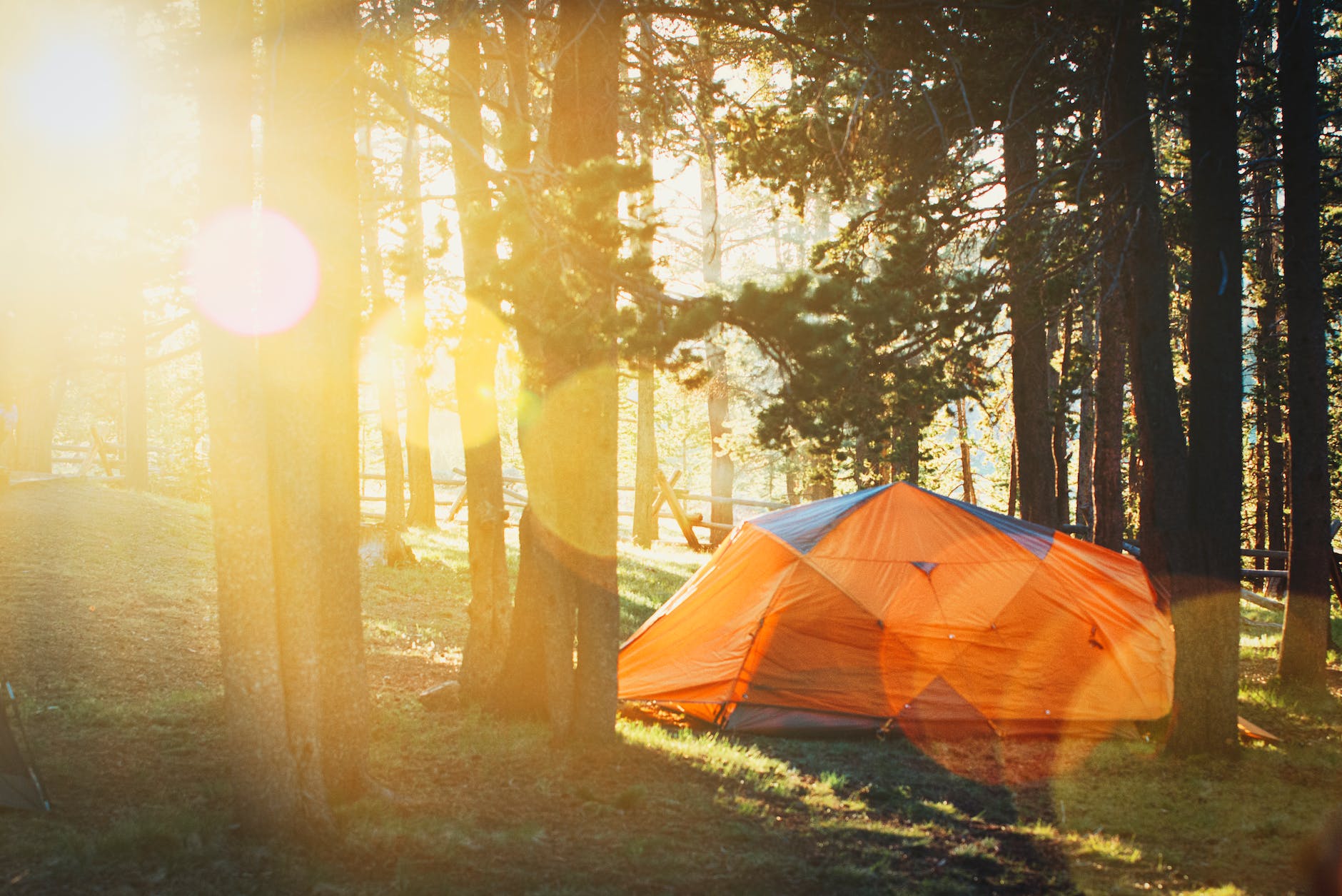
Camping is a beloved pastime for many of us, but we must also be mindful of the impact we have on the environment. Sustainable camping practices are essential to ensure that we protect the natural beauty of our campsites for ourselves and future generations!
If you enjoyed learning about sustainable camping practices, I urge you to join our community of environmentally conscious individuals and share your tips and experiences on living sustainably! If you’d like to feature your website or have any additional resources please feel free to reach out.
 Rox Recycles