
Recycling is a rockstar when it comes to environmental sustainability and conservation! Recycling is the process of converting waste materials into new products, reducing the need for virgin raw materials, and decreasing the amount of waste sent to landfills. There are several reasons why recycling is so important.
To recycle effectively, it’s important to understand what can and cannot be recycled in your area. Commonly recycled materials include paper, cardboard, plastic, glass, and metal. However, it’s important to check with your local recycling program to see what materials they accept and how they should be sorted.
Recycling and waste disposal have significant environmental impacts. According to the Environmental Protection Agency (EPA), recycling reduces greenhouse gas emissions by conserving energy, reduces landfill space, and conserves natural resources such as timber, water, and minerals.
On the other hand, improper waste disposal can lead to soil and water pollution, which can harm wildlife and humans. The EPA also reports that landfills are the third-largest source of human-made methane emissions in the United States.
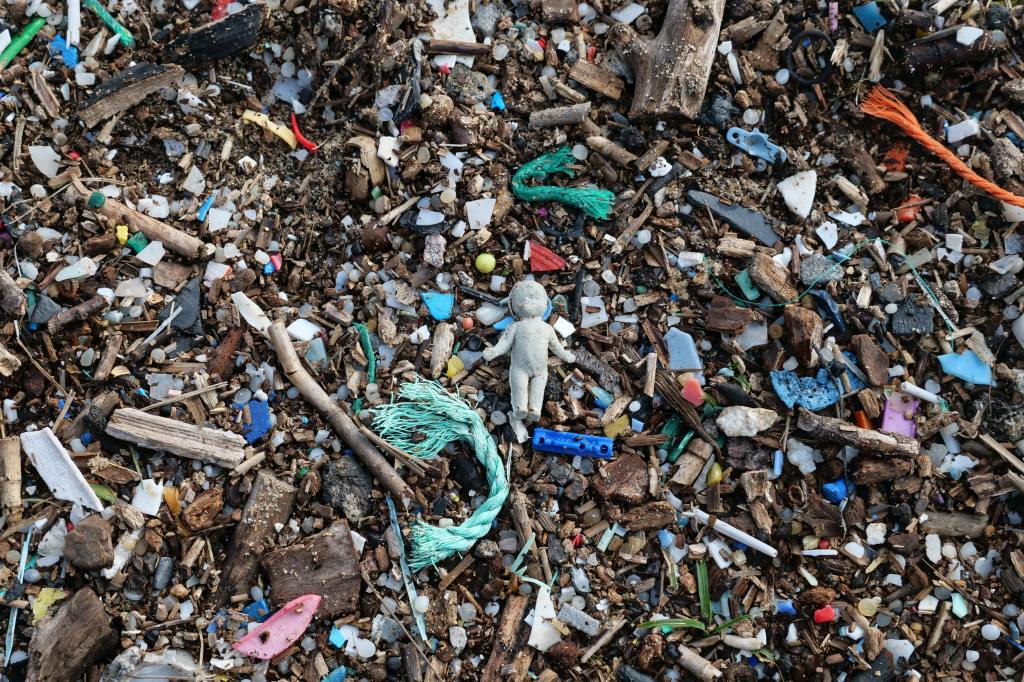
The Significance of Recycling and Proper Waste Disposal
Recycling and proper waste disposal play a crucial role in minimizing our environmental impact. Here are some additional reasons why:
Benefits of recycling:
- Preserves natural resources like timber, water, and minerals by decreasing the need for new raw materials. By recycling materials such as paper, plastic, metal, and glass, we can decrease our reliance on virgin raw materials. This, in turn, reduces the environmental impact of mining, logging, and other resource extraction activities.
- Conserves energy by using recycled materials instead of starting from scratch. For instance, recycling aluminum cans saves 95% of the energy required to make new cans from raw materials.
- Reduces greenhouse gas emissions by decreasing the energy needed to extract, transport, and process raw materials. This reduces the amount of fossil fuels burned and greenhouse gases emitted during the manufacturing process. Recycling cuts greenhouse gas emissions by an average of 2.1 metric tons of carbon dioxide equivalent per ton of materials recycled.
- Helps decrease landfill space by diverting materials from landfills, which can lengthen the lifespan of existing landfills and prevent the need for new ones.
Importance of proper waste disposal:
- Prevents soil and water pollution that can harm wildlife and humans. If not disposed of properly, hazardous materials like batteries, electronics, and chemicals can release toxic substances into the environment.
- Reduces the risk of fires and other safety hazards. Improperly disposed of materials like flammable liquids and gases can ignite and cause fires or explosions.
- Helps reduce the amount of waste that goes to landfills. Landfills take up valuable land space, and can release harmful gases and leachate into the environment. When non-biodegradable materials like plastics are buried in landfills, they can take hundreds of years to decompose. By recycling, we can decrease the amount of waste sent to landfills, and reduce the environmental impact of waste disposal.
- Saves resources and energy by minimizing the need for new materials and reducing the amount of waste that requires transportation and processing.
In conclusion, recycling and proper waste disposal are critical for minimizing our environmental impact and conserving natural resources for future generations. By taking the initiative to recycle and dispose of waste properly, we can all contribute to creating a more sustainable future.
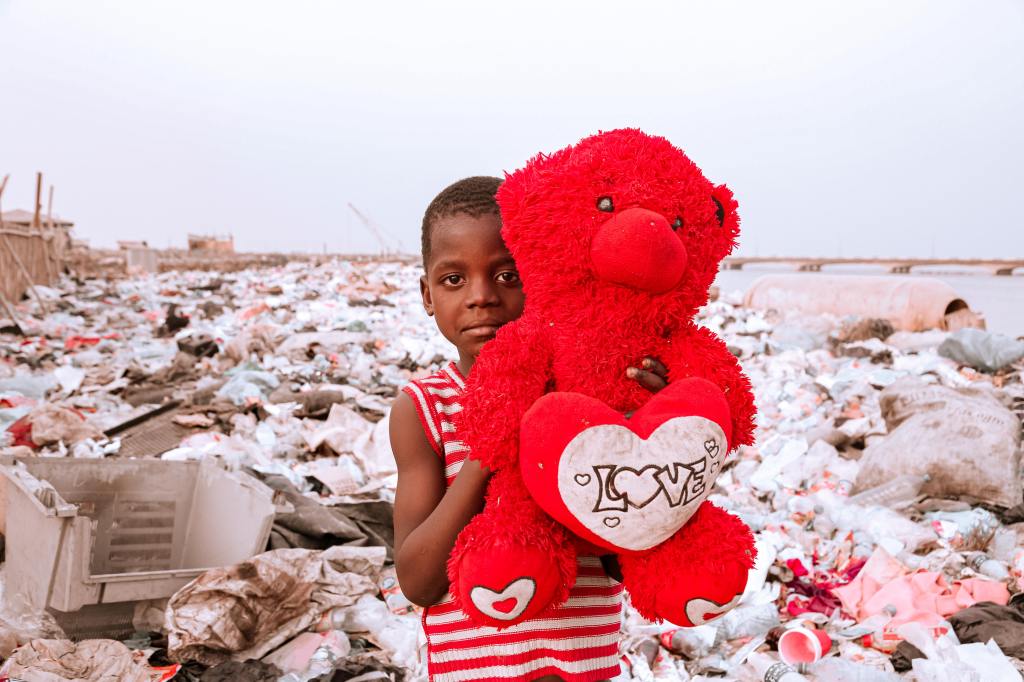
Make Recycling Part of Your Daily Routine
To incorporate recycling into your daily routines, you can take specific steps such as setting up recycling bins at home, work, and school, labeling the bins properly, and educating yourself on what materials can be recycled.
As individuals, we can all make a difference in protecting the environment and reducing waste. Here are some additional steps that can be taken to further promote a sustainable lifestyle:
- Composting: Instead of throwing away food scraps and yard waste, create a compost pile in your backyard or use a composting bin. Composting helps to reduce the amount of waste that ends up in landfills and also creates nutrient-rich soil for gardening. For more tips on composting food waste check out my post here.
- Purchasing products with minimal packaging: When shopping, look for products that have minimal packaging or packaging that is recyclable. This reduces the amount of waste that ends up in landfills and also saves resources.
- Choosing energy-efficient appliances: When purchasing new appliances, look for ones that are energy-efficient. This will not only save you money on your energy bills but also reduce your carbon footprint.
- Using public transportation or carpooling: By using public transportation or carpooling, you can reduce the amount of emissions released into the environment. This is especially important in urban areas where traffic congestion and air pollution are major issues.
- Supporting environmentally-friendly businesses: When shopping, consider supporting businesses that prioritize sustainability and environmental responsibility. This could include companies that use renewable energy sources, have a zero-waste policy, or donate a portion of their profits to environmental causes.
For more ideas on how to make Recycling part of your daily routine, read my posts, 9 Must-Have Green Products for a Sustainable Home and 5 Ways to Live a More Sustainable Life!
By incorporating these additional steps into our daily routines, we can all play a role in promoting a more sustainable future and protecting the planet for generations to come.
Recycling and proper waste disposal are crucial for the health of our planet and the well-being of future generations.
By taking action now, we can reduce the amount of waste that ends up in landfills or pollutes our oceans. Every item we recycle or dispose of properly is one step closer to a cleaner, safer world.
Let’s act with urgency and make a difference today!

Do you have an environmentally-friendly business or product you’d like to feature on this post? Do you have any tips on how to make recycling part of your daily routine? If so, reach out to me below! If you enjoyed learning about why you should recycle, I urge you to join our community of environmentally conscious individuals and share your tips and experiences on living sustainably!
 Rox Recycles