

What are greenhouse gas emissions? Greenhouse gas emissions are gases that trap heat in the Earth’s atmosphere, contributing to global warming and climate change. The most common greenhouse gases include carbon dioxide, methane, and nitrous oxide, which are released by human activities such as burning fossil fuels, deforestation, and agriculture.
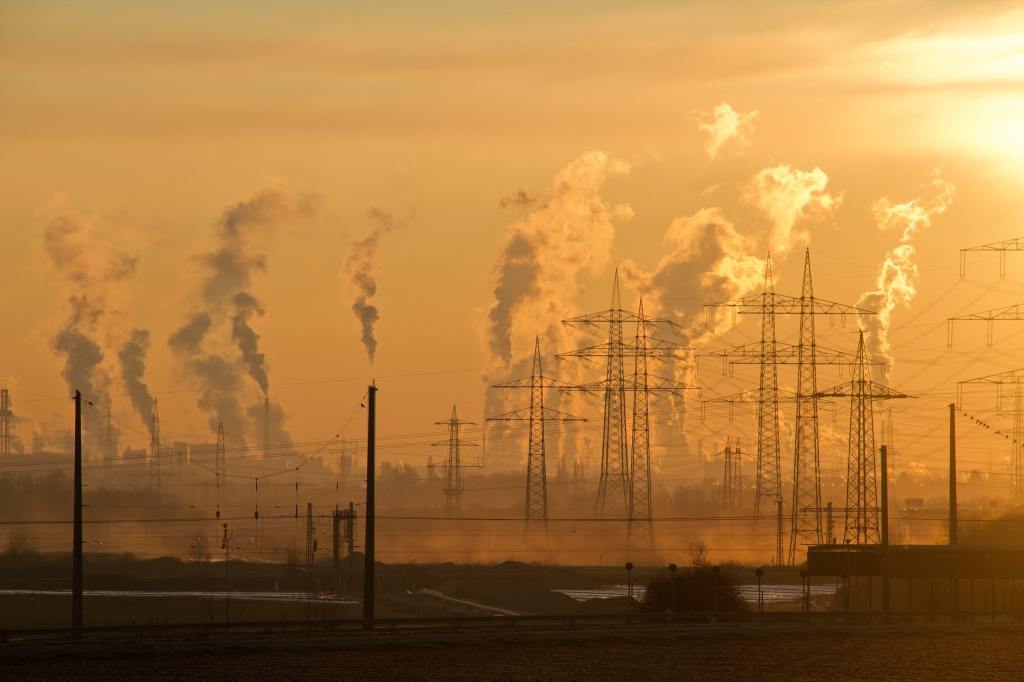
Burning Fossil Fuels
The primary cause of greenhouse gas emissions is the burning of fossil fuels, such as coal, oil, and natural gas. When these fuels are burned, they release carbon dioxide into the atmosphere, which contributes to the greenhouse effect.
According to the U.S. Energy Information Administration, burning fossil fuels led to the release of approximately 5.1 billion metric tons of carbon dioxide in the United States in 2019. This accounted for about 84% of all U.S. energy-related carbon dioxide emissions that year. These emissions contribute to the overall increase of greenhouse gases in the atmosphere, which is a major contributor to climate change.
It is important to find alternatives to burning fossil fuels because of their negative impact on the environment. Not only does burning fossil fuels release greenhouse gases into the atmosphere, but even the extraction and transportation of fossil fuels can harm local ecosystems and communities.
Finding alternative energy sources such as wind, solar, and hydropower can help reduce these environmental impacts and create a more sustainable future. It also reduces reliance on finite resources and can help improve energy security.
Deforestation
Deforestation is a serious problem that has a significant impact on our planet’s climate. The loss of forests has a direct impact on the amount of carbon dioxide in the atmosphere, which contributes to the greenhouse effect and global warming. Here are some additional facts about deforestation and its impact on the environment:
- Deforestation is responsible for up to 15% of all greenhouse gas emissions. This is because trees absorb carbon dioxide as part of the natural process of photosynthesis. When trees are cut down or burned, the carbon stored in the trees is released into the atmosphere.
- Deforestation also has a significant impact on biodiversity. Forests are home to millions of species of plants and animals, many of which are endangered or threatened. When forests are destroyed, these species lose their habitat and may be unable to survive.
- The Amazon rainforest, which is the largest rainforest in the world, is currently being destroyed at an alarming rate. In just the past few decades, more than 20% of the Amazon has been destroyed. This has a significant impact on the climate, as the Amazon is often referred to as the “lungs of the planet” due to its ability to absorb carbon dioxide.
- Deforestation is often driven by the demand for agricultural land, particularly for crops like soy and palm oil. These crops are used to produce a variety of consumer products, including food, soap, and biofuels.
- There are a number of solutions to the problem of deforestation, including reforestation, sustainable forestry practices, and reducing demand for products that contribute to deforestation. Governments, businesses, and individuals all have a role to play in addressing this important issue.

Agriculture
Agriculture is also a significant source of greenhouse gas emissions. According to the United States Environmental Protection Agency, agriculture practices account for approximately 10% of total greenhouse gas emissions in the country.
This is primarily due to the production and use of fertilizers, enteric fermentation (a natural digestive process in livestock that produces methane), and manure management. Livestock, such as cows and sheep, produce large amounts of methane through their digestive processes, while fertilizers used in crop production release nitrous oxide into the atmosphere.
Additionally, the use of machinery and transportation in agriculture contributes to emissions. Despite being a significant source of greenhouse gases, efforts are being made to reduce these emissions through sustainable farming practices and the use of renewable energy sources.
Sustainable farming practices can help reduce greenhouse gas emissions in several ways. For example, using compost instead of synthetic fertilizers can reduce emissions from fossil fuel-based fertilizers. Planting cover crops and practicing crop rotation can help sequester carbon in the soil. Reducing tillage and using conservation tillage practices can also help sequester carbon and reduce emissions from fossil fuel use. Finally, using renewable energy sources on farms, such as solar panels or wind turbines, can help reduce emissions from fossil fuels used to power equipment and buildings.
The Effects of Greenhouse Gases
The effects of greenhouse gas emissions are far-reaching and include rising global temperatures, melting ice caps and glaciers, and more frequent and severe weather events such as hurricanes and droughts.
According to recent statistics, extreme weather conditions such as hurricanes, floods, wildfires, and heatwaves are becoming more frequent and intense. This has led to significant economic and social impacts, as well as loss of life and damage to infrastructure.
It is crucial that we take action to address climate change and mitigate its effects in order to protect our planet.

How To Help
To address the issue of greenhouse gas emissions, individuals and governments alike must take action to reduce their carbon footprint. This can include using renewable energy sources such as wind and solar power, reducing energy consumption through energy-efficient appliances and practices, and supporting policies that incentivize carbon reduction and promote environmental sustainability.
For more ideas click to read my post 5 Ways to Live a More Sustainable Life.
Living sustainably is a crucial step towards a greener and healthier planet. While many of us may already be doing our part, there is always room for improvement.
That’s why I encourage my readers to share their own experiences and tips for living sustainably. By sharing your knowledge, you can inspire others to take action and make a positive impact on the environment!
If you enjoyed learning about greenhouse gas emissions, I urge you to join our community of environmentally conscious individuals and share your tips and experiences on living sustainably!
 Rox Recycles