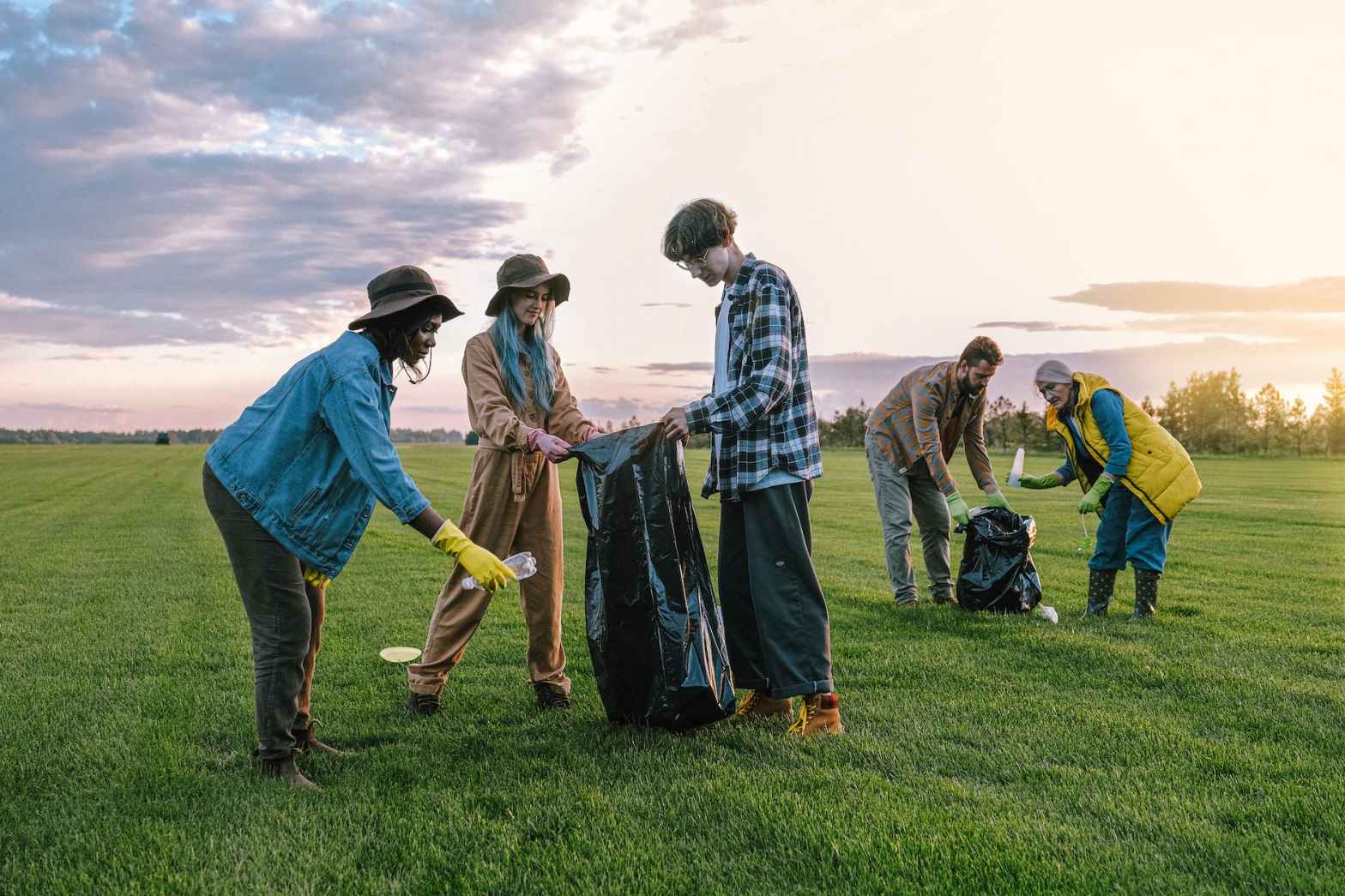
Sustainable living refers to a lifestyle that prioritizes the use of environmental resources in a way that meets the needs of the present without compromising the ability of future generations to meet their own needs. Essentially, it means living in a way that minimizes harm to the environment and focuses on long-term sustainability. This can involve practices such as reducing energy consumption, recycling, using public transportation or carpooling, eating locally sourced and organic foods, and using renewable energy sources. Let’s break that down.
Reduce Energy Consumption
Reducing energy consumption can help you save money on your utility bills and also have a positive impact on the environment. Here are some tips that you can follow to reduce your energy consumption:
- Switch off appliances: Make sure to switch off all appliances and electronics when they are not in use. Even when appliances are in standby mode, they can still consume energy.
- Use energy-efficient light bulbs: Replace traditional incandescent bulbs with energy-efficient LED bulbs. LED bulbs use up to 80% less energy and last up to 25 times longer than traditional bulbs.
- Unplug chargers: Unplug chargers for phones, laptops, and other electronic devices when they are not in use. Chargers continue to use energy even when the device is not connected.
- Adjust thermostat: Adjust your thermostat to the lowest comfortable temperature in the winter and the highest comfortable temperature in the summer. This can help reduce your heating and cooling costs.
- Use natural light: Make use of natural light by opening curtains and blinds during the day. This can help reduce the need for artificial lighting.
Recycling
Recycling is an essential practice that can help reduce waste and conserve resources. By recycling, materials are transformed into new products, reducing the need for new materials and minimizing the environmental impact of manufacturing. Read more about why Recycling Rocks here!

Using Public Transportation or Carpooling
Using public transportation or carpooling can be an excellent way to save money and reduce your carbon footprint. Here are some tips on how to use each method effectively:
Public Transportation:
- Plan ahead: Check the schedule of your local bus or train system so that you know when the next one is coming.
- Buy tickets in advance: Consider purchasing a pass or multiple tickets in advance to save time and money.
- Be aware of your surroundings: When using public transportation, it is important to be aware of your surroundings and stay alert to your surroundings.
- Respect other passengers: Make sure to be considerate of other passengers by not taking up too much space or being too loud.
- Take advantage of free time: You can use your time on public transportation to read, work, or relax.
Carpooling:
- Find a carpool buddy: Start by asking friends or co-workers if they would be interested in carpooling.
- Set a schedule: Decide on a schedule that works for everyone in the carpool and stick to it.
- Coordinate pick-up and drop-off locations: Determine a convenient pick-up and drop-off location for everyone involved.
- Share expenses: Decide how you will split the cost of gas and other expenses.
- Be respectful: Make sure to be considerate of your carpool buddy by being on time and not making excessive demands.

Eating Locally Sourced and Organic Foods
Finding locally sourced and organic foods can be a great way to support local farmers, promote sustainable agriculture, and ensure that you are consuming healthy, nutritious foods. Here are some tips for finding these types of foods:
- Visit your local farmers market: Farmers markets are a great place to find locally sourced and organic foods. You can talk to the farmers directly and learn about their growing practices and the food they are selling.
- Join a Community Supported Agriculture (CSA) program: CSA programs allow you to purchase a share of a local farm’s harvest. You will receive a box of fresh, seasonal produce each week or month, depending on the program.
- Check out local co-ops and natural food stores: Many co-ops and natural food stores specialize in selling locally sourced and organic foods. They may also be able to provide information on the farms and producers they work with.
- Research online: There are many websites that can help you find local farmers markets, CSAs, and natural food stores in your area. Some good resources include LocalHarvest.org and EatWild.com.
Check out more information on local resources by state here!

Using Renewable Energy Sources
Renewable energy sources are becoming increasingly popular due to their environmental benefits and the cost savings they offer over time. By using renewable energy sources, you can reduce your carbon footprint and save money on your energy bills. It is important to research the different options available to you and choose the one that best fits your needs and budget. Here are some ways to use renewable energy sources:
- Solar Power: Install solar panels on your roof or in your backyard to generate electricity. Solar energy is a great way to power your home, and you can even sell excess energy back to the grid.
- Wind Power: Install a wind turbine to generate electricity. Wind power is a great option if you live in an area with strong, consistent winds.
- Geothermal Energy: Use geothermal energy to heat and cool your home. Geothermal energy uses the earth’s natural heat to regulate the temperature of your home.
- Hydro Power: Use hydro power to generate electricity. Hydro power uses the energy of moving water to generate electricity. If you have land with a naturally accurring stream, I would highly suggest utilizing that energy with a water wheel.
- Biomass Energy: Use biomass energy to produce heat or electricity. Biomass energy comes from organic matter such as wood, corn, and other plant material.

In conclusion, living sustainably is an important step towards a healthier planet. Starting to live sustainably may seem daunting at first, but it is not impossible. Simple changes in our daily habits can make a significant impact in the long run. It is also important to spread awareness and educate others about the importance of sustainability. By working together, we can create a more sustainable future for generations, reduce our carbon footprint and contribute to a healthier planet for all.
If you enjoyed learning about this, I urge you to join our community of environmentally conscious individuals and share your tips and experiences on living sustainably! If you’d like to feature your website or have any additional resources please feel free to reach out.


I absolutely love this blog post! It’s so inspiring to see practical ways to live a more sustainable life. Thank you for sharing these valuable tips and encouraging others to make a positive impact on the environment.
Stay Blessed – Mel
Free Keto Diet Recipes – http://www.ketodietrecipes.co.uk
LikeLike
hey
cool blog 🙂 will give it a follow and a like !
LikeLike
hey
cool blog 🙂 will give it a follow and a like !
LikeLike