
Messy outdoor activities can be incredibly beneficial for toddlers in numerous ways. It allows them to explore and experience the world around them in a hands-on, sensory way that is not possible indoors.
Messy outdoor activities can be great fun for toddlers, allowing them to express themselves freely and to enjoy the great outdoors.
By engaging in these activities, toddlers can develop a love and appreciation for nature, which can last a lifetime.
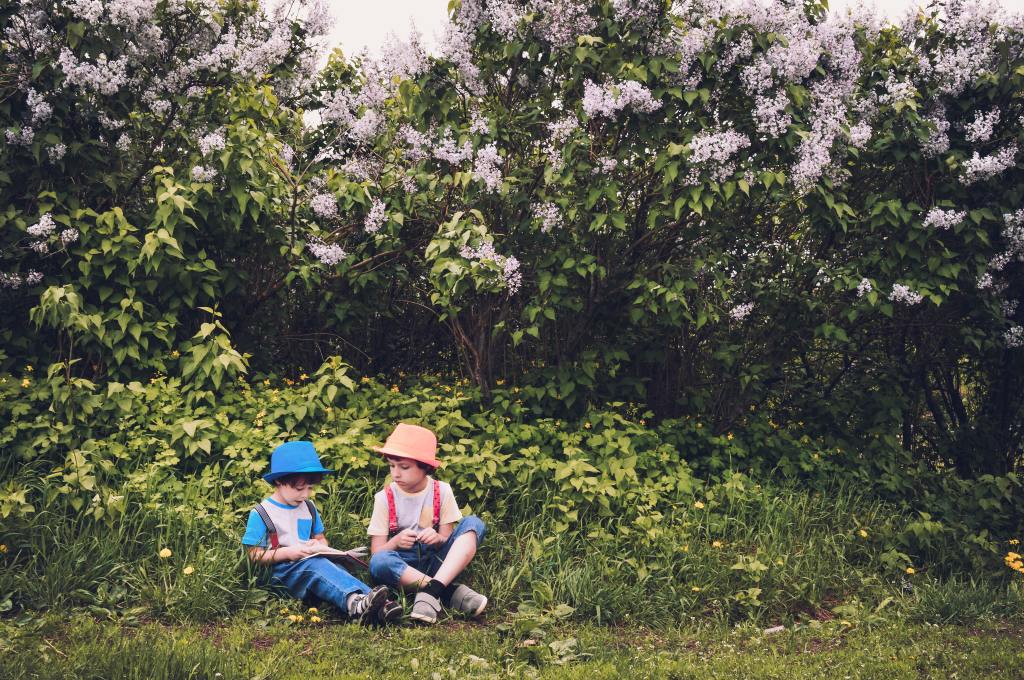
Here are 7 of my favorite activities for when my little wants to get messy outside.
#1 Mud Kitchen:
Create a mud kitchen in your backyard with pots, pans, and utensils for your toddler to make mud pies and soup. Creating a mud kitchen for your toddler is not only a fun activity but it also has numerous benefits for their development. Playing with mud can help stimulate your child’s senses and provide a unique sensory experience. They can feel the texture of the mud, smell its earthy scent, and hear the squishing sounds it makes when mixed with water.
A mud kitchen can encourage your child to use their creativity and imagination by allowing them to experiment with different ingredients, mixtures, and recipes. They can also pretend to cook and serve their creations, which can boost their confidence and social skills.
Building a mud kitchen can also help your child develop their gross motor skills by digging, pouring, and carrying heavy pots and pans. It can also improve their hand-eye coordination and fine motor skills by using utensils to mix and scoop the mud.
#2 Sensory Bin:
Fill a large bin with sand, water beads, or rice for your toddler to explore with their hands and tools. Playing with sensory bins can be a great way for toddlers to engage in sensory play and develop their fine motor skills. Here are some ideas to make the most out of this activity:
- Add different types of tools to the bin, such as scoops, spoons, and funnels, to help your toddler develop their hand-eye coordination and dexterity.
- Encourage your toddler to describe the textures and sensations they are experiencing as they play with the sensory bin. This can help them develop their language and communication skills.
- Use the sensory bin to introduce new vocabulary words related to the materials you are using, such as “gritty” for sand or “squishy” for mud.
- Make the sensory bin a themed activity by adding toys or items related to a specific topic, such as ocean creatures or farm animals. This can help your toddler learn about the world around them in a fun and interactive way.
- Remember to supervise your toddler at all times during sensory play to ensure their safety and prevent them from putting small objects in their mouth.
#3 Painted Rocks:
Let your toddler paint rocks with washable paint and then hide them outside for others to find. Painted rocks are a great way to add some color and creativity to your garden or home décor.
To paint your rocks, you should follow these steps:
- Find smooth rocks that are free of cracks and bumps.
- Clean them with soap and water and let them dry completely.
- Decide and plan what you want to paint on your rocks.
- Use acrylic paint to paint your rocks (may take a few coats) and add details with brushes or paint pens.
- Let them dry completely before handling them, and add a clear coat of sealant for protection.
- Display your painted rocks as paperweights, garden decorations, or gifts for friends and family.
#4 Splatter Painting:
Set up a large canvas or piece of paper outside and let your toddler splatter paint all over it. This activity is not only fun for your toddler but it also helps them develop their creativity and fine motor skills. Here are some additional tips to make the most out of this activity:
- Use washable, non-toxic paint so that you don’t have to worry about stains on clothes or surfaces.
- Provide your toddler with different tools to paint with, such as brushes, sponges, or even their fingers. This will help them explore different textures and techniques.
- Encourage your toddler to experiment with mixing colors by placing different colors of paint in separate containers and allowing them to mix them together on the canvas.
- Consider using the finished artwork as a decoration for your child’s room or as a gift for a family member or friend.
- If you don’t have a large canvas or piece of paper, you can use a smaller surface such as a cardboard box or a sheet of paper taped to a wall. This activity can be done both indoors and outdoors.
#5 Ice Cube Painting:
Freeze a few ice cubes with washable paint inside and let your toddler use them to paint on paper. This is a fun and creative activity that is perfect for summer and can help your toddler develop their fine motor skills and explore their artistic abilities. To make it even more exciting, you can try some variations of this activity, such as:
- Using different colors of paint in each ice cube to create a colorful painting.
- Adding some glitter or small beads to the paint before freezing to add some texture to the painting.
- Using different materials to paint on, such as cardboard or fabric, to create a unique piece of art.
- Encouraging your toddler to experiment with different painting techniques, such as stamping the ice cube or rubbing it across the paper.
No matter how you choose to do it, this activity is sure to provide some fun and creative entertainment for your little one. Plus, it’s easy to clean up and can be done indoors or outdoors!
#6 Shaving Cream Art:
Spray shaving cream on a large surface outside and let your toddler draw and create designs in it. Talk about nostalgia! This activity can be both fun and educational for your toddler. Here are some ways to enhance the experience:
- Encourage your toddler to use different tools, such as spoons or forks, to create designs in the shaving cream.
- Talk to your toddler about the different shapes and patterns they are creating. This can help improve their cognitive and language skills.
- Use the opportunity to teach your toddler about colors by using different colored shaving creams or adding food coloring to the cream.
- Take photos of your toddler’s creations to share with family and friends or to create a keepsake for your child.
- Use this activity as an opportunity to teach your toddler about cleaning up. Encourage them to help you clean up the shaving cream and put away the tools. This can help teach responsibility and teamwork.
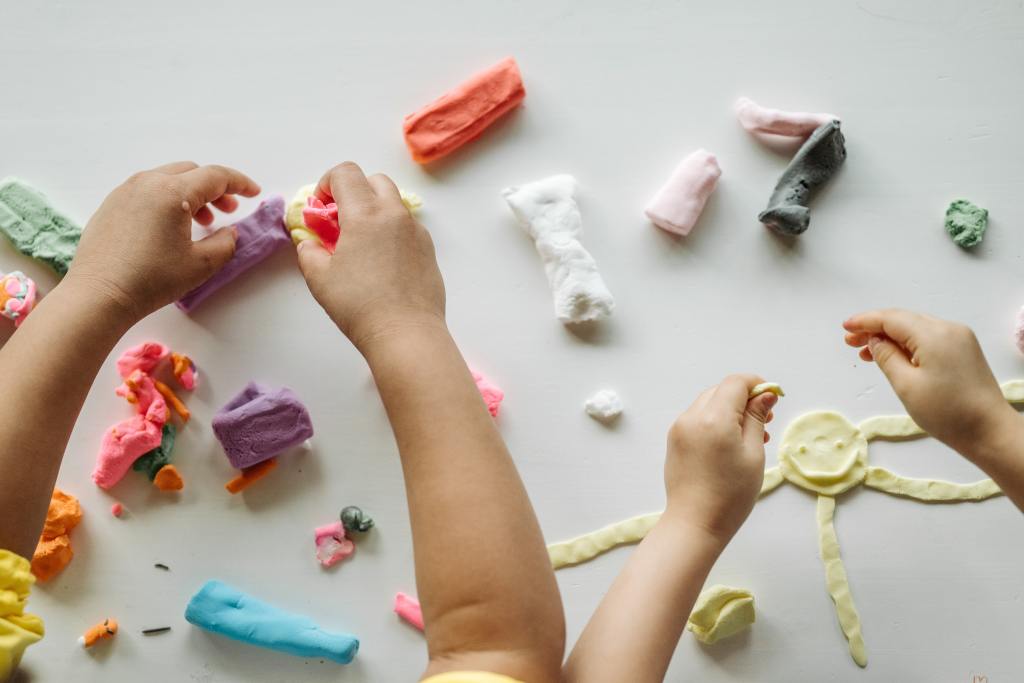
#7 Play Dough Fun:
Make some homemade play dough and take it outside for your toddler to mold and shape. Making homemade play dough is a fun and easy activity that can be done with children of all ages. Here’s a simple recipe that you can try:
Ingredients:
- 2 cups all-purpose flour
- 3/4 cup salt
- 4 teaspoons cream of tartar
- 2 cups water
- 2 tablespoons vegetable oil
- Food coloring (optional)
Instructions:
- In a large saucepan, mix together the flour, salt, and cream of tartar.
- Add the water and vegetable oil to the saucepan and stir until everything is combined.
- Cook the mixture over medium heat, stirring constantly, until it forms a thick ball of dough. This should take about 3-5 minutes.
- Remove the dough from the heat and allow it to cool for a few minutes.
- If you want to add food coloring, divide the dough into smaller portions and knead in a few drops of food coloring until the desired color is achieved.
- Store the play dough in an airtight container.
That’s it! You now have homemade play dough that you and your children can play with for hours. Have fun!
I hope you enjoyed this list and are excited to try a few with your little! Let me know how they worked out and share your results, I would love to see all the messy fun you have. If you enjoyed learning about these activities, I urge you to join our community of environmentally conscious individuals and share your tips and experiences on living sustainably!

