Featured

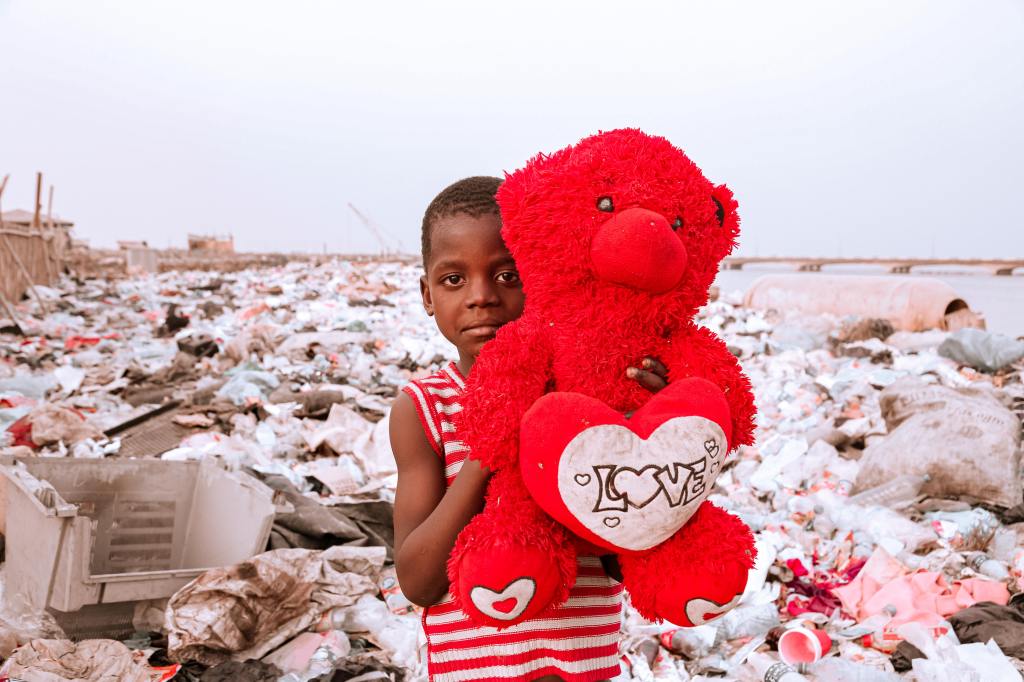
3 Causes of Greenhouse Gas Emissions and How to Help Stop It

What are greenhouse gas emissions? Greenhouse gas emissions are gases that trap heat in the Earth’s atmosphere, contributing to global warming and climate change. The most common greenhouse gases include carbon dioxide, methane, and nitrous oxide, which are released by human activities such as burning fossil fuels, deforestation, and agriculture.
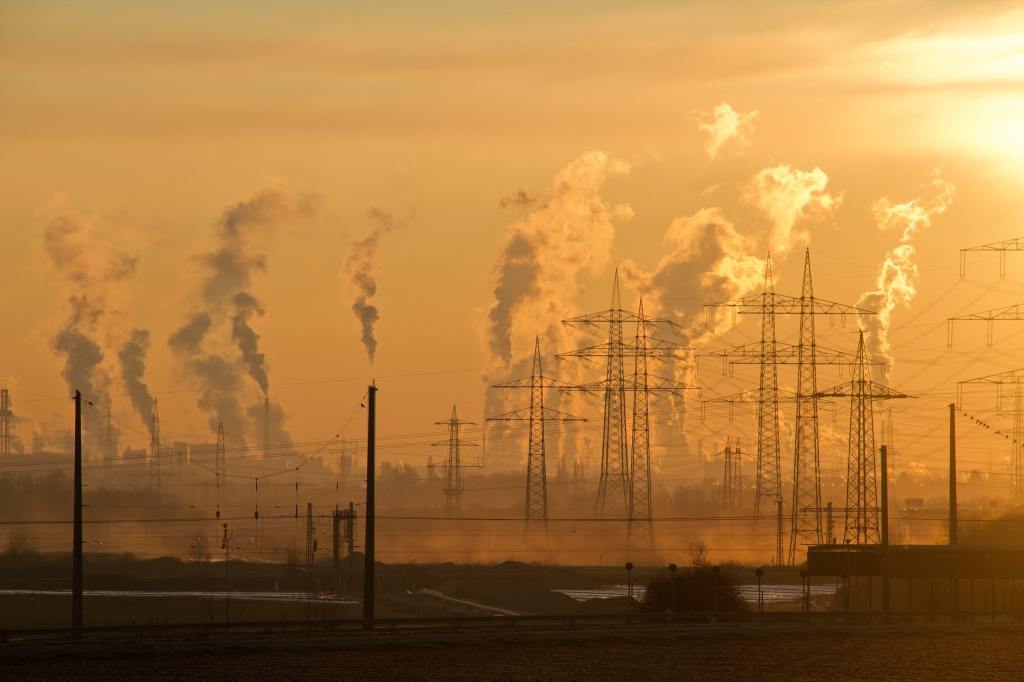
Burning Fossil Fuels

The primary cause of greenhouse gas emissions is the burning of fossil fuels, such as coal, oil, and natural gas. When these fuels are burned, they release carbon dioxide into the atmosphere, which contributes to the greenhouse effect.

According to the U.S. Energy Information Administration, burning fossil fuels led to the release of approximately 5.1 billion metric tons of carbon dioxide in the United States in 2019. This accounted for about 84% of all U.S. energy-related carbon dioxide emissions that year. These emissions contribute to the overall increase of greenhouse gases in the atmosphere, which is a major contributor to climate change.

It is important to find alternatives to burning fossil fuels because of their negative impact on the environment. Not only does burning fossil fuels release greenhouse gases into the atmosphere, but even the extraction and transportation of fossil fuels can harm local ecosystems and communities.

Finding alternative energy sources such as wind, solar, and hydropower can help reduce these environmental impacts and create a more sustainable future. It also reduces reliance on finite resources and can help improve energy security.

Deforestation

Deforestation is a serious problem that has a significant impact on our planet’s climate. The loss of forests has a direct impact on the amount of carbon dioxide in the atmosphere, which contributes to the greenhouse effect and global warming. Here are some additional facts about deforestation and its impact on the environment:

  • Deforestation is responsible for up to 15% of all greenhouse gas emissions. This is because trees absorb carbon dioxide as part of the natural process of photosynthesis. When trees are cut down or burned, the carbon stored in the trees is released into the atmosphere.
  • Deforestation also has a significant impact on biodiversity. Forests are home to millions of species of plants and animals, many of which are endangered or threatened. When forests are destroyed, these species lose their habitat and may be unable to survive.
  • The Amazon rainforest, which is the largest rainforest in the world, is currently being destroyed at an alarming rate. In just the past few decades, more than 20% of the Amazon has been destroyed. This has a significant impact on the climate, as the Amazon is often referred to as the “lungs of the planet” due to its ability to absorb carbon dioxide.
  • Deforestation is often driven by the demand for agricultural land, particularly for crops like soy and palm oil. These crops are used to produce a variety of consumer products, including food, soap, and biofuels.
  • There are a number of solutions to the problem of deforestation, including reforestation, sustainable forestry practices, and reducing demand for products that contribute to deforestation. Governments, businesses, and individuals all have a role to play in addressing this important issue.

Agriculture

Agriculture is also a significant source of greenhouse gas emissions. According to the United States Environmental Protection Agency, agriculture practices account for approximately 10% of total greenhouse gas emissions in the country.

This is primarily due to the production and use of fertilizers, enteric fermentation (a natural digestive process in livestock that produces methane), and manure management. Livestock, such as cows and sheep, produce large amounts of methane through their digestive processes, while fertilizers used in crop production release nitrous oxide into the atmosphere.

Additionally, the use of machinery and transportation in agriculture contributes to emissions. Despite being a significant source of greenhouse gases, efforts are being made to reduce these emissions through sustainable farming practices and the use of renewable energy sources.

Sustainable farming practices can help reduce greenhouse gas emissions in several ways. For example, using compost instead of synthetic fertilizers can reduce emissions from fossil fuel-based fertilizers. Planting cover crops and practicing crop rotation can help sequester carbon in the soil. Reducing tillage and using conservation tillage practices can also help sequester carbon and reduce emissions from fossil fuel use. Finally, using renewable energy sources on farms, such as solar panels or wind turbines, can help reduce emissions from fossil fuels used to power equipment and buildings.


The Effects of Greenhouse Gases

The effects of greenhouse gas emissions are far-reaching and include rising global temperatures, melting ice caps and glaciers, and more frequent and severe weather events such as hurricanes and droughts.

According to recent statistics, extreme weather conditions such as hurricanes, floods, wildfires, and heatwaves are becoming more frequent and intense. This has led to significant economic and social impacts, as well as loss of life and damage to infrastructure.

It is crucial that we take action to address climate change and mitigate its effects in order to protect our planet.


How To Help

To address the issue of greenhouse gas emissions, individuals and governments alike must take action to reduce their carbon footprint. This can include using renewable energy sources such as wind and solar power, reducing energy consumption through energy-efficient appliances and practices, and supporting policies that incentivize carbon reduction and promote environmental sustainability.

For more ideas click to read my post 5 Ways to Live a More Sustainable Life.

Living sustainably is a crucial step towards a greener and healthier planet. While many of us may already be doing our part, there is always room for improvement.

That’s why I encourage my readers to share their own experiences and tips for living sustainably. By sharing your knowledge, you can inspire others to take action and make a positive impact on the environment!

If you enjoyed learning about greenhouse gas emissions, I urge you to join our community of environmentally conscious individuals and share your tips and experiences on living sustainably!

Featured

5 Educational Outdoor Activities for Toddlers

There is a growing body of research that suggests that spending time outdoors can have a positive impact on a child’s learning and development. Here are some statistics that speak to the benefits of outdoor play for toddlers:

  • According to a study published in the Journal of Environmental Psychology, children who play in natural outdoor environments are more imaginative, have better cognitive flexibility, and score higher on measures of self-discipline and self-control.
  • Research conducted by the University of Missouri found that children who engage in outdoor play have better motor skills and are less likely to be overweight or obese.
  • A study published in the International Journal of Environmental Research and Public Health found that preschoolers who spent more time playing outdoors had better social and emotional development, as well as better language and communication skills.
  • The American Academy of Pediatrics recommends that children spend at least 60 minutes of unstructured outdoor play per day, as it can help promote physical activity, reduce stress, and improve overall health and well-being.
  • Overall, the evidence suggests that spending time outdoors can be incredibly beneficial for toddlers’ learning and development, promoting everything from imagination and cognitive flexibility to social and emotional development, motor skills, and overall health and well-being.


As we face the challenges of climate change and environmental degradation, it is becoming increasingly clear that educating our toddlers about nature is essential to creating a sustainable future. Early childhood is a critical time for learning, and by introducing our little ones to the wonders of the natural world, we can help them develop a deep appreciation for the environment and a sense of responsibility for its protection.

One of the most effective ways to teach young children about nature is through hands-on experiences. Take them on nature walks, point out different types of plants and animals, collect leaves and rocks, and explore the outdoors together. You can also read books about nature, watch nature documentaries, and engage in creative activities like drawing pictures of animals or building birdhouses.

While finding time to get your little outside can be challenging at times, there are is always something you can do to stimulate their wild side. Here are my 5 favorite educational outdoor activities for toddlers for inspiration:

#1 Nature Walk:

Take your toddler on a nature walk and point out different plants, animals, and insects. When the weather was still nice, my toddler and I would take a daily walk around the block and describe the colors of everything we saw. This is a great way to introduce numbers and other vocabulary as well! Bonus is that as the seasons change, there is more to learn!

#2 Gardening:

Let your toddler help you plant and care for a small garden, teaching them about sustainability and the environment. Beans make a fantastic first time crop for kiddos since they sprout quickly. They can also develop motor skills and plant-identification by being responsible for picking your weeds. Assign your little a “crop” (or pesky weed), teach them what it looks like, and make sure they harvest as much as they can every day just like you harvest your crops!

#3 Bug Hunt:

Go on a bug hunt and help your toddler identify different insects and learn about their habitats. This really comes in handy if you’re implementing organic pest control! When we had a cotton-wood beetle problem my little scavenger proudly collected several trophies and we learned all about the life stages of the beetle. This could also work with horn worms if you keep a lot of tomato plants or any other common garden pest!

#4 Alphabet Scavenger Hunt:

Create a scavenger hunt where your toddler has to find objects outside that start with each letter of the alphabet. This could work if you’re going to spend a while out and about. For a shorter activity focus on a letter or color of the day. My little and I love to hunt for rainbow leaves in the fall, picking up 1 leaf for each color of the rainbow on our daily walk around the neighborhood. For bonus fun collect their scavenger hunt findings in a blank journal by pressing the leaves or flowers in between pages and labelling when they found it.

#5 Shadow Play:

Use sidewalk chalk to draw your toddler’s shadow and then have them jump, dance, and move around in it to learn about shadows and movement. If you’re able to take shorts jaunts outside throughout that day, try turning this into a lesson about the sun’s position throughout the day. Have your kiddo stand in the same spot in different times of the ay, trace their shadow, and be sure to label each shadow with the time. Older kids can start developing their adventuring skills with this activity while the young one’s will enjoy a quick burst of activity to break up their day.

Photo by Kaboompics .com on Pexels.com

By fostering a love for nature in our toddlers, we can help them develop a lifelong commitment to environmental sustainability. They will grow up knowing the importance of protecting the planet and will be more likely to make environmentally responsible decisions in the future. So let’s start teaching our little ones about nature today, so that we can create a brighter, more sustainable future for generations to come!

If you enjoyed learning about these Educational Outdoor Activities for Toddlers, I urge you to join our community of environmentally conscious individuals and share your tips and experiences on living sustainably!

Featured

9 Must-Have Green Products for a Sustainable Home

In recent years, there has been an increased awareness of the need for environmentally-friendly products and practices. With the increasing population and industrialization, we are consuming natural resources and creating waste at an alarming rate. This has led to environmental problems such as climate change, deforestation, air and water pollution, and loss of biodiversity.

Human waste is a complex issue that covers a wide range of areas, including food waste, water waste, energy waste, and more. The statistics on human waste are staggering, with billions of tons of waste produced each year. Here are some of the key statistics about human waste:

  • Food waste: According to the Food and Agriculture Organization of the United Nations, around one-third of all food produced in the world is lost or wasted each year. This amounts to approximately 1.3 billion tons of food, which is worth around $1 trillion. This food waste contributes to greenhouse gas emissions and other environmental problems.
  • Water waste: The World Wildlife Fund estimates that humans waste around 80% of the water they use each year. This includes water used for agriculture, industry, and domestic purposes. In many parts of the world, water scarcity is a major problem, and reducing water waste is essential for sustainable development.
  • Energy waste: Humans waste a significant amount of energy each year through inefficient buildings, transportation, and other systems. According to the International Energy Agency, energy efficiency improvements could reduce global energy consumption by up to 12% by 2030.
  • Plastic waste: Humans currently produce and discard an estimated 300 million tons of plastic waste every year, according to a report by the World Economic Forum. Most of that ends up in our oceans and it’s estimated that by 2050, there will be more plastic in the ocean than fish by weight.
Photo by Stas Knop on Pexels.com


9 Must-Have Green Products

Environmentally-friendly products and practices aim to reduce this negative impact of human activity on the environment. They promote sustainable use of resources and minimize waste and pollution. For example, using energy-efficient appliances, reducing water usage, recycling, and using renewable energy sources can all help to reduce our carbon footprint and preserve natural resources. One area where we can all make a significant impact is in our own homes.

Here are 9 must-have green products for your sustainable home:

#1 Energy-efficient light bulbs – LED or CFL bulbs can reduce your energy usage and last longer than traditional bulbs. These Smart Light Bulbs from Amazon, can be controlled using your Alexa!

#2 Water-saving fixtures – Low-flow showerheads and faucets can significantly reduce water usage. This High Pressure Handheld Shower Head from Amazon is stylish and Climate Pledge Friendly!

#3 Reusable water bottles – Instead of buying plastic water bottles, invest in a reusable bottle to reduce waste. Your littles will love these Stainless Steel Water Bottles from Zak Designs on Amazon.

#4 Cloth napkins and towels – Switching to cloth instead of paper products can reduce waste and save money in the long run. These Reusable Paper Towels come already rolled up for you and can be purchased from Amazon.

#5 Composter – Composting food waste is an excellent way to reduce landfill waste and create nutrient-rich soil for gardening. Here is a Dual Chamber Tumbling Composter that is made of 100% recycled resin and can be purchased on Amazon and shipped to your door. For more tips on composting without a compost tumbler, check out my post about Hot Composting.

#6 Natural cleaners – Avoid harsh chemicals and choose natural cleaning products made from ingredients like vinegar and baking soda. I am in LOVE with Mrs. Meyer’s products because it is a natural cleaner and it is sold almost everywhere now! I buy mine HERE on Amazon.

#7 Energy-efficient appliances – Look for appliances with the ENERGY STAR label, which indicates they meet energy efficiency guidelines.

#8 Solar panels – Investing in solar panels can significantly reduce your reliance on traditional energy sources.

#9 Air-purifying plants – Adding plants like peace lilies and spider plants can help improve indoor air quality.

By incorporating these green products into your home, you can reduce your environmental impact and create a more sustainable living space.

In addition to the environmental benefits, adopting environmentally-friendly products and practices can also have economic and social benefits. It can create new job opportunities, promote innovation and technology development, and improve public health and well-being.

Overall, there is a need for environmentally-friendly products and practices to ensure a sustainable future for ourselves and future generations.

Photo by ready made on Pexels.com


If you enjoyed learning about these Must-Have Green Products, I urge you to join our community of environmentally conscious individuals and share your tips and experiences on living sustainably.

Together, we can create a brighter and greener future for generations to come!

Featured

7 Messy Outdoor Activities for Toddlers

Messy outdoor activities can be incredibly beneficial for toddlers in numerous ways. It allows them to explore and experience the world around them in a hands-on, sensory way that is not possible indoors.

Messy outdoor activities can be great fun for toddlers, allowing them to express themselves freely and to enjoy the great outdoors.

By engaging in these activities, toddlers can develop a love and appreciation for nature, which can last a lifetime.

Here are 7 of my favorite activities for when my little wants to get messy outside.

#1 Mud Kitchen:

Create a mud kitchen in your backyard with pots, pans, and utensils for your toddler to make mud pies and soup. Creating a mud kitchen for your toddler is not only a fun activity but it also has numerous benefits for their development. Playing with mud can help stimulate your child’s senses and provide a unique sensory experience. They can feel the texture of the mud, smell its earthy scent, and hear the squishing sounds it makes when mixed with water.

A mud kitchen can encourage your child to use their creativity and imagination by allowing them to experiment with different ingredients, mixtures, and recipes. They can also pretend to cook and serve their creations, which can boost their confidence and social skills.

Building a mud kitchen can also help your child develop their gross motor skills by digging, pouring, and carrying heavy pots and pans. It can also improve their hand-eye coordination and fine motor skills by using utensils to mix and scoop the mud.

#2 Sensory Bin:

Fill a large bin with sand, water beads, or rice for your toddler to explore with their hands and tools. Playing with sensory bins can be a great way for toddlers to engage in sensory play and develop their fine motor skills. Here are some ideas to make the most out of this activity:

  • Add different types of tools to the bin, such as scoops, spoons, and funnels, to help your toddler develop their hand-eye coordination and dexterity.
  • Encourage your toddler to describe the textures and sensations they are experiencing as they play with the sensory bin. This can help them develop their language and communication skills.
  • Use the sensory bin to introduce new vocabulary words related to the materials you are using, such as “gritty” for sand or “squishy” for mud.
  • Make the sensory bin a themed activity by adding toys or items related to a specific topic, such as ocean creatures or farm animals. This can help your toddler learn about the world around them in a fun and interactive way.
  • Remember to supervise your toddler at all times during sensory play to ensure their safety and prevent them from putting small objects in their mouth.


#3 Painted Rocks:

Let your toddler paint rocks with washable paint and then hide them outside for others to find. Painted rocks are a great way to add some color and creativity to your garden or home décor.

To paint your rocks, you should follow these steps:

  1. Find smooth rocks that are free of cracks and bumps.
  2. Clean them with soap and water and let them dry completely.
  3. Decide and plan what you want to paint on your rocks.
  4. Use acrylic paint to paint your rocks (may take a few coats) and add details with brushes or paint pens.
  5. Let them dry completely before handling them, and add a clear coat of sealant for protection.
  6. Display your painted rocks as paperweights, garden decorations, or gifts for friends and family.


#4 Splatter Painting:

Set up a large canvas or piece of paper outside and let your toddler splatter paint all over it. This activity is not only fun for your toddler but it also helps them develop their creativity and fine motor skills. Here are some additional tips to make the most out of this activity:

  • Use washable, non-toxic paint so that you don’t have to worry about stains on clothes or surfaces.
  • Provide your toddler with different tools to paint with, such as brushes, sponges, or even their fingers. This will help them explore different textures and techniques.
  • Encourage your toddler to experiment with mixing colors by placing different colors of paint in separate containers and allowing them to mix them together on the canvas.
  • Consider using the finished artwork as a decoration for your child’s room or as a gift for a family member or friend.
  • If you don’t have a large canvas or piece of paper, you can use a smaller surface such as a cardboard box or a sheet of paper taped to a wall. This activity can be done both indoors and outdoors.


#5 Ice Cube Painting:

Freeze a few ice cubes with washable paint inside and let your toddler use them to paint on paper. This is a fun and creative activity that is perfect for summer and can help your toddler develop their fine motor skills and explore their artistic abilities. To make it even more exciting, you can try some variations of this activity, such as:

  • Using different colors of paint in each ice cube to create a colorful painting.
  • Adding some glitter or small beads to the paint before freezing to add some texture to the painting.
  • Using different materials to paint on, such as cardboard or fabric, to create a unique piece of art.
  • Encouraging your toddler to experiment with different painting techniques, such as stamping the ice cube or rubbing it across the paper.

No matter how you choose to do it, this activity is sure to provide some fun and creative entertainment for your little one. Plus, it’s easy to clean up and can be done indoors or outdoors!

#6 Shaving Cream Art:

Spray shaving cream on a large surface outside and let your toddler draw and create designs in it. Talk about nostalgia! This activity can be both fun and educational for your toddler. Here are some ways to enhance the experience:

  • Encourage your toddler to use different tools, such as spoons or forks, to create designs in the shaving cream.
  • Talk to your toddler about the different shapes and patterns they are creating. This can help improve their cognitive and language skills.
  • Use the opportunity to teach your toddler about colors by using different colored shaving creams or adding food coloring to the cream.
  • Take photos of your toddler’s creations to share with family and friends or to create a keepsake for your child.
  • Use this activity as an opportunity to teach your toddler about cleaning up. Encourage them to help you clean up the shaving cream and put away the tools. This can help teach responsibility and teamwork.

#7 Play Dough Fun:

Make some homemade play dough and take it outside for your toddler to mold and shape. Making homemade play dough is a fun and easy activity that can be done with children of all ages. Here’s a simple recipe that you can try:

Ingredients:

  • 2 cups all-purpose flour
  • 3/4 cup salt
  • 4 teaspoons cream of tartar
  • 2 cups water
  • 2 tablespoons vegetable oil
  • Food coloring (optional)

Instructions:

  1. In a large saucepan, mix together the flour, salt, and cream of tartar.
  2. Add the water and vegetable oil to the saucepan and stir until everything is combined.
  3. Cook the mixture over medium heat, stirring constantly, until it forms a thick ball of dough. This should take about 3-5 minutes.
  4. Remove the dough from the heat and allow it to cool for a few minutes.
  5. If you want to add food coloring, divide the dough into smaller portions and knead in a few drops of food coloring until the desired color is achieved.
  6. Store the play dough in an airtight container.

That’s it! You now have homemade play dough that you and your children can play with for hours. Have fun!

I hope you enjoyed this list and are excited to try a few with your little! Let me know how they worked out and share your results, I would love to see all the messy fun you have. If you enjoyed learning about these activities, I urge you to join our community of environmentally conscious individuals and share your tips and experiences on living sustainably!

Featured

10 Fun and Safe Outdoor Activities for Kids

Today’s parents are more concerned with safety due to the increased awareness of potential dangers and risks that children face in the modern world. Let’s face it, times have changed. Let’s not let that stop us from going outside and having some fun with our littles!

Outdoor safety is crucial because it helps prevent accidents and injuries while enjoying nature. Be sure to always follow safety guidelines while helping to preserve the environment and protect wildlife habitats.

Photo by Allan Mas on Pexels.com


Here is a list of our 10 favorite Fun and Safe Outdoor Activities for the family to try on your next outing!

  • Sensory Walks:
    Take your toddler on a sensory walk where they can touch, smell, and see different things in nature. Check out our fun sensory walk print out!
  • Nature Scavenger Hunt:
    Create a scavenger hunt list of things for your toddler to find in nature, such as a pinecone, a bird, or a flower. Make it your own or use our Scavenger Hunt print out!
  • Water Play:
    Set up a water table or kiddie pool for your toddler to splash and play in, or take them to a nearby beach or lake. Tree is obsessed with this splash pad and this mesmerizing water table.
  • Bubble Blowing:
    Toddlers love bubbles! Blow bubbles for them to chase and pop. These bubbles are sure to keep them entertained for a while! I like to use Fubbles, a no-spill bubble tumbler. It’s refillable and cuts back on any wasted bubble liquid! You can find that HERE on Amazon.
  • Chalk Art:
    Give your toddler some sidewalk chalk and let them create their own masterpiece. Here is a great non-toxic, eco-friendly, littles-friendly option that we love. Zerodis Colored Chalk, sold on Amazon.
  • Picnic in the Park:
    Pack a lunch and head to a local park for a picnic and some playground fun. It can be fun to let them help you with the menu and the packing!
  • Toddler Yoga: Find a fun toddler yoga video on YouTube and do some poses together outside.
  • Mini Golf: Take your toddler to a miniature golf course for some putting practice.
  • Bike Ride: Strap your toddler into a bike seat or trailer and go for a leisurely ride together. Be sure to equip your little with a proper helmet and pads like this KAMUGO Kids Helmet and Pads set sold on Amazon.
  • Outdoor Storytime: Bring a blanket and some books outside for a cozy story time in the fresh air.

In conclusion, there are many fun and safe outdoor activities for toddlers that parents can enjoy with their little ones. It’s important for parents to prioritize safety by supervising their children at all times, providing appropriate gear and selecting activities that are appropriate for their child’s age and abilities. By incorporating outdoor playtime into their daily routines, parents can help their toddlers develop a love for nature and physical activity that will serve them well throughout their lives.

Photo by Tatiana Syrikova on Pexels.com


If you enjoyed this post, I urge you subscribe so you can be the first to know when we post more inspirational content! Do you have a favorite safe outdoor activity? Feel free to chare with the community and don’t forget to recycle!

Featured

Why Should I Recycle? + How To Make Recycling Part of Your Daily Routine

Recycling is a rockstar when it comes to environmental sustainability and conservation! Recycling is the process of converting waste materials into new products, reducing the need for virgin raw materials, and decreasing the amount of waste sent to landfills. There are several reasons why recycling is so important.

To recycle effectively, it’s important to understand what can and cannot be recycled in your area. Commonly recycled materials include paper, cardboard, plastic, glass, and metal. However, it’s important to check with your local recycling program to see what materials they accept and how they should be sorted.

Recycling and waste disposal have significant environmental impacts. According to the Environmental Protection Agency (EPA), recycling reduces greenhouse gas emissions by conserving energy, reduces landfill space, and conserves natural resources such as timber, water, and minerals.

On the other hand, improper waste disposal can lead to soil and water pollution, which can harm wildlife and humans. The EPA also reports that landfills are the third-largest source of human-made methane emissions in the United States.

The Significance of Recycling and Proper Waste Disposal

Recycling and proper waste disposal play a crucial role in minimizing our environmental impact. Here are some additional reasons why:

Benefits of recycling:

  • Preserves natural resources like timber, water, and minerals by decreasing the need for new raw materials. By recycling materials such as paper, plastic, metal, and glass, we can decrease our reliance on virgin raw materials. This, in turn, reduces the environmental impact of mining, logging, and other resource extraction activities.
  • Conserves energy by using recycled materials instead of starting from scratch. For instance, recycling aluminum cans saves 95% of the energy required to make new cans from raw materials.
  • Reduces greenhouse gas emissions by decreasing the energy needed to extract, transport, and process raw materials. This reduces the amount of fossil fuels burned and greenhouse gases emitted during the manufacturing process. Recycling cuts greenhouse gas emissions by an average of 2.1 metric tons of carbon dioxide equivalent per ton of materials recycled.
  • Helps decrease landfill space by diverting materials from landfills, which can lengthen the lifespan of existing landfills and prevent the need for new ones.

Importance of proper waste disposal:

  • Prevents soil and water pollution that can harm wildlife and humans. If not disposed of properly, hazardous materials like batteries, electronics, and chemicals can release toxic substances into the environment.
  • Reduces the risk of fires and other safety hazards. Improperly disposed of materials like flammable liquids and gases can ignite and cause fires or explosions.
  • Helps reduce the amount of waste that goes to landfills. Landfills take up valuable land space, and can release harmful gases and leachate into the environment. When non-biodegradable materials like plastics are buried in landfills, they can take hundreds of years to decompose. By recycling, we can decrease the amount of waste sent to landfills, and reduce the environmental impact of waste disposal.
  • Saves resources and energy by minimizing the need for new materials and reducing the amount of waste that requires transportation and processing.

In conclusion, recycling and proper waste disposal are critical for minimizing our environmental impact and conserving natural resources for future generations. By taking the initiative to recycle and dispose of waste properly, we can all contribute to creating a more sustainable future.


Make Recycling Part of Your Daily Routine

To incorporate recycling into your daily routines, you can take specific steps such as setting up recycling bins at home, work, and school, labeling the bins properly, and educating yourself on what materials can be recycled.

As individuals, we can all make a difference in protecting the environment and reducing waste. Here are some additional steps that can be taken to further promote a sustainable lifestyle:

  • Composting: Instead of throwing away food scraps and yard waste, create a compost pile in your backyard or use a composting bin. Composting helps to reduce the amount of waste that ends up in landfills and also creates nutrient-rich soil for gardening. For more tips on composting food waste check out my post here.
  • Purchasing products with minimal packaging: When shopping, look for products that have minimal packaging or packaging that is recyclable. This reduces the amount of waste that ends up in landfills and also saves resources.
  • Choosing energy-efficient appliances: When purchasing new appliances, look for ones that are energy-efficient. This will not only save you money on your energy bills but also reduce your carbon footprint.
  • Using public transportation or carpooling: By using public transportation or carpooling, you can reduce the amount of emissions released into the environment. This is especially important in urban areas where traffic congestion and air pollution are major issues.
  • Supporting environmentally-friendly businesses: When shopping, consider supporting businesses that prioritize sustainability and environmental responsibility. This could include companies that use renewable energy sources, have a zero-waste policy, or donate a portion of their profits to environmental causes.

For more ideas on how to make Recycling part of your daily routine, read my posts, 9 Must-Have Green Products for a Sustainable Home and 5 Ways to Live a More Sustainable Life!

By incorporating these additional steps into our daily routines, we can all play a role in promoting a more sustainable future and protecting the planet for generations to come.

Recycling and proper waste disposal are crucial for the health of our planet and the well-being of future generations.

By taking action now, we can reduce the amount of waste that ends up in landfills or pollutes our oceans. Every item we recycle or dispose of properly is one step closer to a cleaner, safer world.

Let’s act with urgency and make a difference today!


Do you have an environmentally-friendly business or product you’d like to feature on this post? Do you have any tips on how to make recycling part of your daily routine? If so, reach out to me below! If you enjoyed learning about why you should recycle, I urge you to join our community of environmentally conscious individuals and share your tips and experiences on living sustainably!

Featured

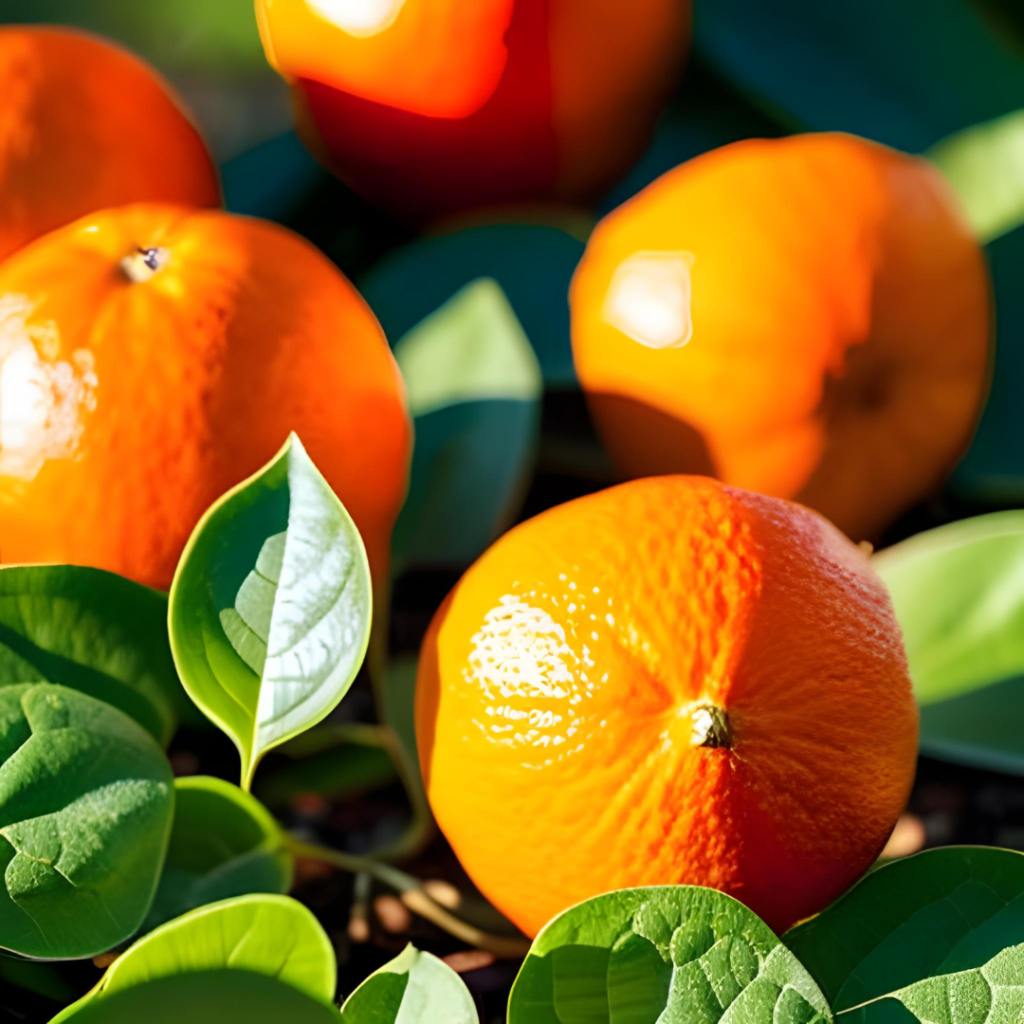
How to: Home Made Orange Peel Cleaner + Benefits of the Orange Peel

Orange peels are often discarded as waste, but they can actually serve many valuable purposes. From flavor to fertilizer to repellant, the humble orange peel can be used in many ways to further sustainable living. In this post I’ll outline some great reasons to keep Orange Peels OUT of our land fills and include some ideas to help you get started.

The orange peel contains nutrients such as vitamin C, fiber, and antioxidants. It may also have anti-inflammatory properties and can be used in cooking to add flavor to dishes.

Orange peels contain flavorful oils that can be used in cooking and baking. The zest of an orange can add a bright, citrusy flavor to everything from cakes to cocktails. By using orange peels instead of throwing them away, we can reduce our reliance on artificial flavorings and create delicious, all-natural dishes.

Additionally, some people use orange peel as a natural cleaner or as an ingredient in skincare products.

To make my favorite Orange Smoothie Boosters:

Clean and scrub whole oranges and then boil in a large pot until tender. (About 15-20 minutes.) Puree whole oranges in processor or blender. Pour into ice cube trays and freeze. That simple! Add a few to any smoothie to boost vitamin C and fiber and to add a punch of citrus!

Why would you want to use your orange peels for cleaning?

Orange peel contains natural oils and compounds that have powerful cleaning properties, such as limonene and citric acid. These compounds can help dissolve grease and grime, remove stains, and leave surfaces smelling fresh. Additionally, using orange peel as a cleaner is an eco-friendly and cost-effective alternative to many commercial cleaning products that may contain harsh chemicals.

To make my favorite Orange Peel Cleaner:

Save your orange peels (along with any other citrus peels) in a spare glass jar. Be sure to rip the peels into teeny-tiny pieces or even cut with scissors to make tiny strips! Once full, fill that jar with White Vinegar, making sure to completely cover the orange peels. Let the solution sit for at least 1 week. The longer it sits, the stronger the citrus smell! Pour the citrusy vinegar into a spray bottle and dilute slightly with water. Spray on surfaces just like any other multi-surface cleaner! You can repeat this process with the same peels multiple times. Once the citrus juices are nearly spent, use them in the garden!

Other uses for your orange peels:

Orange peels can also be a useful addition to your garden. They contain nutrients such as nitrogen, phosphorus, and potassium that are beneficial for plant growth. You can chop them up and sprinkle them around your plants as a natural fertilizer, or mix them into your compost pile to add some acidity. Be sure to avoid using orange peels near plants that are sensitive to citrus, such as brassicas and beans, as it may harm them.

There are several plants that have an affinity for acidity, including Blueberries, Azaleas, Rhododendrons, and Camellias. These plants require soil with a pH level between 4.5 and 6.0 to grow properly. Other plants that prefer acidic soil include Evergreens and many deciduous trees as well as Dogwood, Gardenia, Begonias, and, Nasturtium.

Orange peels contain a natural compound called d-limonene which is known to repel insects. Although it may not be as effective as other commercially available insect repellents, you can use the peels as a natural insect repellent by placing them in areas where insects are likely to enter, such as windowsills and doorways. The strong citrus smell of orange peels can also be unappealing to furry creatures such as cats, rodents, and squirrels!


Bonus DIY: Orange, Sage, and Cinnamon Simmer Pot

For more things to do with your Orange Peels, try this DIY! Here’s what you’ll need:

  1. A tiny pot
  2. Orange peels and/or dried orange slices
  3. Sage
  4. Cinnamon

For my simmer pot, I used some fancy dried blood orange slices I just happened to have left over. Plain old orange peels would do just fine here! After all, it’s all going to the compost in the end. While any fragrant herb would do, I used my mottled Sage trimmings from a recent garden harvest. This is a great way to use some of your uglier herbs that you would want to use for cooking. Finally, I used Cinnamon sticks, which I think will serve you way better then the messy powder.

Throw them all in the pot, cover with water, and boil to your heart’s delight! I absolutely love how this fills up my whole house with the scent of fall!

Check out my quick tutorial here:

@roxrecycles

Hoping this delicious simmer pot will bring out the fall weather! 🙏🍂 #simmerpot #smelloffall #simmerpotspell #simmerpotrecipe #sage #banana

♬ BANANA SHAKE (SPED UP) – HUS


All-in-all, orange peels are a fragrant delight with many hidden uses. By finding creative ways to use orange peels, we can reduce waste, support sustainable living, and enjoy a range of benefits for ourselves and the environment. So the next time you have an orange, think twice before tossing the peel in the trash – it could have a valuable second life.

If you enjoyed learning about these orange peel benefits, I urge you to join our community of environmentally conscious individuals and share your tips and experiences on living sustainably.

Together, we can create a brighter and greener future for generations to come!

Featured

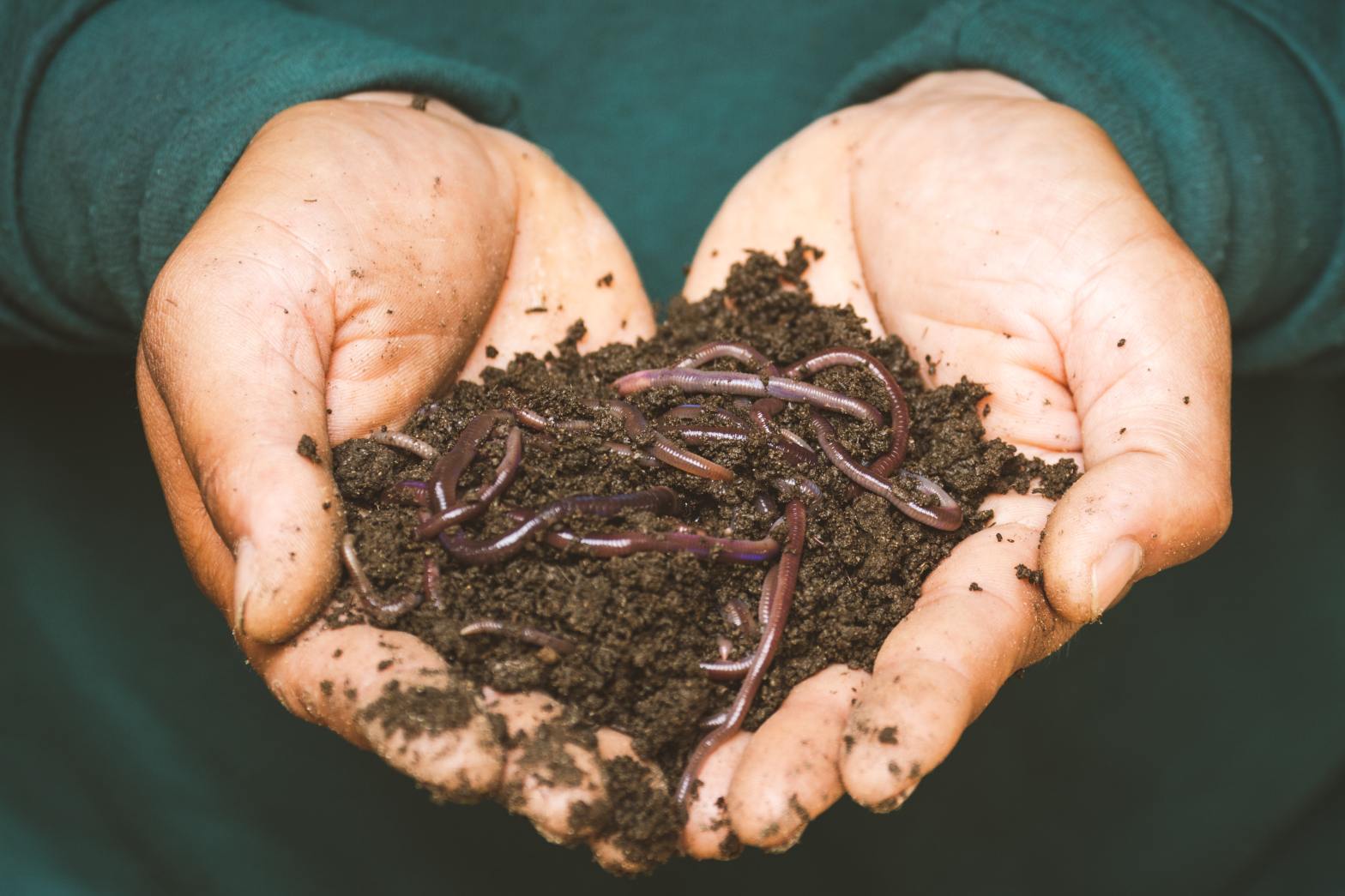
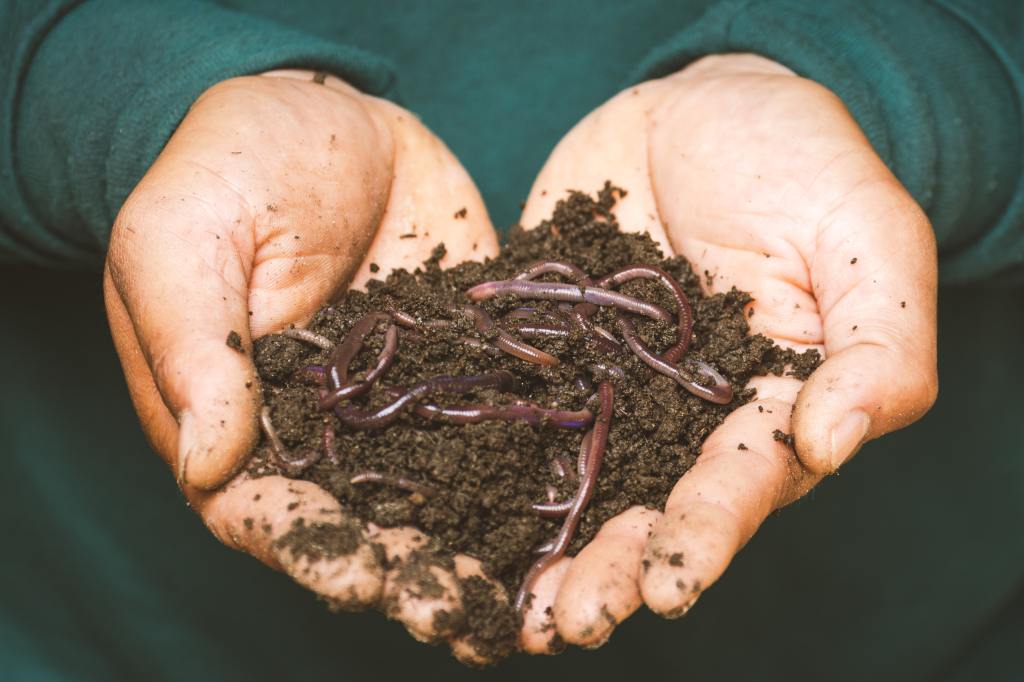
6 Easy Steps to Hot Composting and Why You Should Do It

Composting is one of the easiest way to reduce waste and give your garden the boost it needs!

Composting helps to reduce the amount of organic waste that ends up in landfills, which in turn reduces the production of harmful greenhouse gases that are generated when this waste decomposes. Instead, organic waste can be transformed into nutrient-rich soil that can be used to grow plants, which is a much more sustainable alternative.

As you can imagine, the cost of compost has risen along with everything else so a free supply could really help your pocket as well! Composting can help you save money by providing you with nutrient-rich soil for your garden or plants, eliminating the need to purchase expensive fertilizers or soil amendments. In addition, composting can help to conserve water by increasing the soil’s ability to retain moisture, which can be especially important in areas where water is scarce.

What Can I Compost?

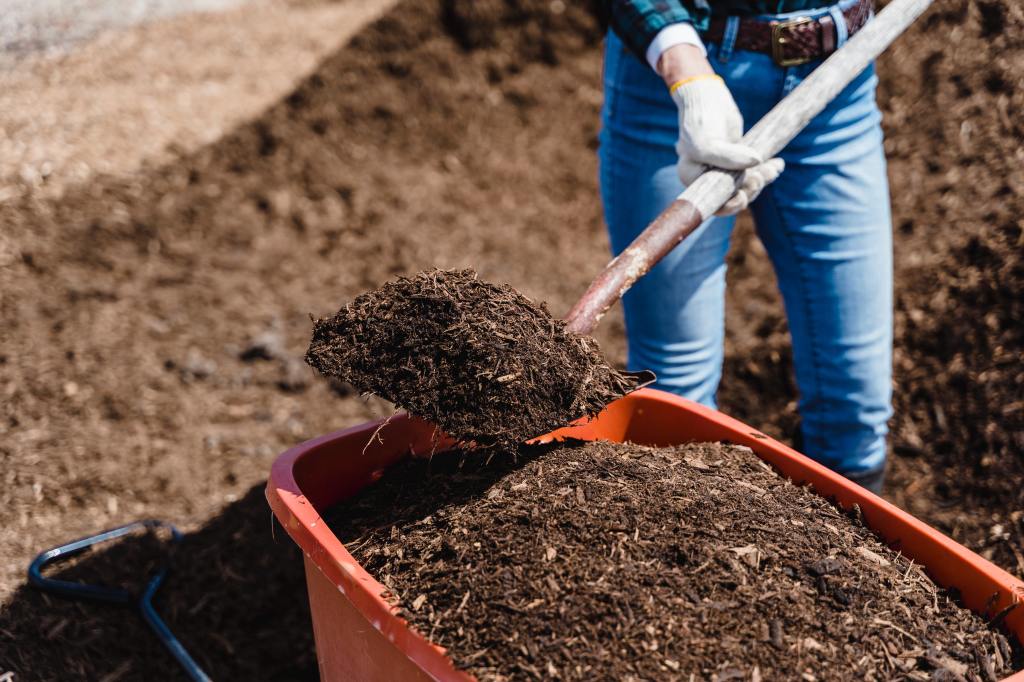
  • Fruit and vegetable scraps
  • Coffee grounds and filters
  • Tea bags
  • Eggshells
  • Nutshells
  • Grass clippings
  • Leaves
  • Yard trimmings
  • Sawdust
  • Wood chips
  • Shredded newspaper
  • Cardboard
  • Paper towels
  • Cotton and wool rags
  • Hair and fur
  • Dryer and vacuum cleaner lint

It is important to note that there are some items that should not be added to a compost pile, such as meat, dairy products, oils, and pet waste. These items can attract pests and slow down the composting process.

Coffee grounds are a great addition to compost because they are rich in nitrogen, which helps to break down organic matter and add nutrients to the soil. They also improve soil structure and water retention, making them a beneficial addition for gardeners.

To compost tea bags, first remove any staples, strings or tags. Then, simply add the tea bags to your compost bin along with other compostable materials like fruit and vegetable scraps, yard waste, and shredded paper. The tea bags will decompose over time and add valuable nutrients to your compost.

To compost eggshells, simply rinse them and let them dry. Then crush them into small pieces and add them to your compost bin or pile. Eggshells are a great source of calcium for your compost and help to balance the pH levels.

You can compost paper made from natural materials such as uncoated paper, newspaper, paper towels, and tissue paper. However, it is best to avoid glossy or coated paper as they may contain chemicals that are harmful to the composting process. Additionally, it is important to shred the paper into small pieces before adding it to the compost pile to help it decompose more quickly.

It is not recommended to compost bones as they take a long time to decompose and can attract pests. Some gardeners have found that they can be added to compost after being very well cooked, dried, and ground into bone meal. Others have found benefits to simply burying bones or small carcasses directly into the garden. I would suggest a deep hole to avoid any critters digging up your garden!

Hot Composting

Hot composting is a method of composting that uses high temperatures to break down organic material quickly. It typically involves layering organic materials such as leaves, grass clippings, and food scraps in a pile, and then regularly turning the pile to promote the breakdown of the material. The high temperatures generated by the composting process help to kill off pathogens and weed seeds, resulting in a more efficient and effective composting process.

Here are the basic steps to hot compost:

  1. Gather your materials, including a mixture of “green” nitrogen-rich materials and “brown” carbon-rich materials.
  2. Create a pile or bin with your materials, making sure it is at least 3 feet by 3 feet by 3 feet in size.
  3. Keep the pile moist, but not too wet.
  4. Turn the pile frequently, about once a week, to add oxygen and distribute heat.
  5. Monitor the temperature of the pile with a thermometer, aiming for a temperature between 130 and 160 degrees Fahrenheit.
  6. After about 1-3 months, the compost should be ready to use in your garden or landscaping.

How to make a Kitchen Compost Bin

To make a kitchen compost bin, you will need a container with a lid, such as a plastic bin or a metal bucket. Drill several small holes in the bottom and sides of the container to allow for air flow.

Place a layer of soil or shredded paper at the bottom of the container, and then add your food scraps, such as fruit and vegetable peelings, eggshells, and coffee grounds.

Cover the scraps with another layer of soil or shredded paper, and repeat the layering process until the container is full. Make sure to keep the compost moist and turn it occasionally to promote decomposition.

Once the container is full you can either burry the compost into your garden or start a compost pile somewhere out-of-the-way so is can further break down.

The trick to keeping a kitchen compost bin from stinking is to ensure there is enough brown material included. If you should notice a smell from the bin you can either empty it, or add in a little soil or shredded paper.

Overall, composting is a simple yet powerful way to promote sustainability and protect the environment for future generations.

If you enjoyed learning about composting, I urge you to join our community of environmentally conscious individuals and share your tips and experiences on living sustainably! If you’d like to feature your website or product, share your tips on composting, or have any additional resources please feel free to reach out.

Featured

Sustainable Camping Tips and 10 Things To Do While Camping

Camping is a wonderful way to connect with nature and enjoy some time outdoors.

It allows you to disconnect from technology, get some exercise, bond with family and friends, and reduce stress levels. Camping can provide a refreshing break from screens and constant notifications while creating lasting memories in the great outdoors. Most importantly, camping is a budget-friendly vacation option. With a little bit of planning and preparation, it can be a low-cost way to enjoy the outdoors and create lasting memories.

So if you’re looking for a way to recharge and connect with the natural world, consider packing up your tent and heading to the great outdoors for a camping adventure.

Camping and Littering

Camping is an excellent way to get out into nature but, unfortunately, some people treat the wilderness as their personal trash can. According to a recent study by the Leave No Trace Center for Outdoor Ethics, 96% of surveyed campers said that littering is a problem in the outdoors.

In particular, the study found that cigarette butts are the most commonly littered item, followed by food wrappers, plastic bottles, and cans. The study also found that campers who stay longer in the outdoors tend to produce more litter than those who stay for shorter periods.

It is important to remember that littering not only spoils the natural beauty of the outdoors, but it can also harm wildlife and the environment.

Here are some tips to stay litter-free while camping:

  • Bring reusable containers and utensils to minimize waste. To save space I’d suggest these Reusable Gallon Freezer Bags. You could even use one to hold a few sets of flatware from home or you could purchase this cute ZOKU Pocket Utensil Set from Amazon.
  • Plan meals and bring only the necessary amount of food to reduce excess packaging and leftovers. To avoid attracting wildlife to your campsite, store your food and trash in a bear-resistant container or hang it from a tree at least 10 feet off the ground and 4 feet away from the trunk.
  • Dispose of trash properly by using designated bins or packing it out if there are no facilities available. If you have paper trash, such as paper plates or napkins, you can burn them in a campfire. Make sure the fire is completely out before leaving the campsite.
  • Use biodegradable soap for cleaning dishes and personal hygiene to minimize harm to the environment. I like to use Sierra Dawn Campsuds, a camping safe all-purpose cleaner, that can be purchased through Amazon HERE.
  • Avoid single-use items like plastic water bottles and instead bring a refillable water container. I suggest a stainless steel cup like this ThermoFlask from Amazon.
Photo by Anastassiya Golovko on Pexels.com


When planning your camping trip, it’s essential to think about the activities that you want to do while you’re there. This could include hiking, fishing, swimming, campfire cooking, stargazing, or simply relaxing in a hammock. By making a list of these activities, you can ensure that you bring any necessary equipment, such as hiking boots, fishing gear, or a telescope.

Overall, making a list of things to do while camping is essential for staying organized and making the most of your time in nature. Whether you’re an experienced camper or a first-time adventurer, taking the time to plan ahead can help ensure a successful and enjoyable trip.

Need some ideas? Here is my list of our favorite things to do while camping!

10 Things To Do While Camping

  1. Go for a hike and explore the surrounding nature.
  2. Build a campfire and roast marshmallows for s’mores.
  3. Try stargazing and identifying constellations.
  4. Play outdoor games like frisbee, catch, or horseshoes.
  5. Cook meals over the campfire or on a portable stove.
  6. Take a swim or go fishing in a nearby lake or river.
  7. Read a book or relax in a hammock.
  8. Take a nature walk and observe the local wildlife.
  9. Tell stories and share experiences around the campfire.
  10. Enjoy the company of friends and family, and unplug from technology.
Photo by Todd Trapani on Pexels.com

Camping is a beloved pastime for many of us, but we must also be mindful of the impact we have on the environment. Sustainable camping practices are essential to ensure that we protect the natural beauty of our campsites for ourselves and future generations!

If you enjoyed learning about sustainable camping practices, I urge you to join our community of environmentally conscious individuals and share your tips and experiences on living sustainably! If you’d like to feature your website or have any additional resources please feel free to reach out.
Virginia

Virginia, officially known as the Commonwealth of Virginia, is a state located in the southeastern part of the United States. It is known for its rich history, natural beauty, and diverse economy.

One of Virginia’s most notable historical landmarks is Colonial Williamsburg, a restored 18th-century town that draws millions of visitors each year. The state is also home to many other significant historical sites, including Jamestown, the first permanent English settlement in North America, and Mount Vernon, the plantation home of George Washington, the first President of the United States.

Virginia is also known for its natural beauty, with the Blue Ridge Mountains and Shenandoah National Park offering breathtaking views and outdoor recreational opportunities such as hiking, camping, and fishing. The state’s coastline along the Atlantic Ocean is also a popular destination for beachgoers.

In terms of its economy, Virginia is home to a diverse mix of industries and businesses, including high-tech companies, government agencies, and military installations. The state is also a major producer of peanuts and tobacco, and has a thriving wine industry.

Sustainability in Virginia

Virginia is making significant strides in sustainability, but it still has some work to do to catch up to some of the more progressive states in the country. According to the 2020 State Energy Efficiency Scorecard, Virginia ranked 29th overall in energy efficiency, which is a significant improvement from the previous year’s ranking of 33rd. However, this still places Virginia below the national average.

One area where Virginia excels in sustainability is in solar energy production. The state has seen significant growth in solar energy in recent years, with a goal of achieving 100% clean energy by 2050. Additionally, Virginia has implemented various policies to reduce greenhouse gas emissions and increase energy efficiency, such as the Virginia Clean Economy Act, which sets a goal of 100% carbon-free electricity by 2045.

Overall, while Virginia has made progress in sustainability, there is still room for improvement. However, with continued efforts and implementation of sustainable policies, Virginia has the potential to become a leader in sustainability among U.S. states.

Recycling in Virginia

According to the Virginia Department of Environmental Quality, Virginia’s recycling rate has been increasing steadily over the last few years. In 2018, the recycling rate was approximately 46%, which is a significant increase from the 28% rate in 2011. In total, over 3.5 million tons of waste were diverted from landfills through recycling and other methods.

The most commonly recycled materials in Virginia are cardboard, paper, and metals, which make up over two-thirds of all recycled materials. However, other materials like plastic, glass, and electronics are also recycled in significant amounts.

Recycling not only helps to reduce the amount of waste sent to landfills but also conserves natural resources and reduces greenhouse gas emissions. The Virginia Department of Environmental Quality encourages residents and businesses to recycle as much as possible to help protect the environment and promote sustainability.

How to Recycle in Virginia

Recycling is a simple and effective way to help protect the environment. In Virginia, recycling is made easy with many municipalities offering curbside recycling pickup and drop off centers located throughout the state.

To recycle in Virginia, start by checking with your local municipality to see what materials they accept for recycling. Commonly accepted materials include paper, cardboard, plastic bottles, glass bottles and jars, and aluminum and steel cans. Some municipalities may also accept electronics, batteries, and other household items.

Once you know what materials are accepted, separate them from your regular trash and place them in the designated recycling bin or container. Make sure to rinse out any containers before placing them in the bin to prevent contamination.

In addition to curbside pickup and drop off centers, Virginia also offers recycling programs for businesses and schools. These programs can help reduce waste and promote environmental sustainability.

By taking simple steps to recycle, we can all do our part to protect the environment and create a more sustainable future for generations to come.

Here are links to help you and your family recycle in Virginia:

Virginia Department of Environmental Quality
CLICK HERE

VDEQ – Recycling
CLICK HERE

Central Virginia Waste Management Authority – How to Recycle
CLICK HERE

If you enjoyed learning about this, I urge you to join our community of environmentally conscious individuals and share your tips and experiences on living sustainably! If you’d like to feature your website or have any additional resources please feel free to reach out.

Vermont

Vermont is a state located in the northeastern region of the United States. It is known for its picturesque landscapes, charming small towns, outdoor recreation opportunities, and its production of maple syrup. Vermont is home to several ski resorts, such as Stowe and Killington, which attract visitors from all over the world.

The state is also known for its vibrant fall foliage, which draws tourists to experience the stunning display of colorful leaves. Vermont is a leader in the production of maple syrup, and the state’s sugarhouses offer tours and tastings for visitors. Additionally, Vermont is known for its thriving craft beer industry, with several breweries located throughout the state. Vermont’s commitment to sustainable agriculture and local food production has made it a popular destination for foodies as well.

Sustainability in Vermont

When it comes to sustainability, Vermont is often seen as a leader among US states. This small New England state has implemented a wide range of policies and initiatives aimed at reducing its environmental impact and promoting sustainability in various sectors.

One of the key areas where Vermont stands out is in renewable energy. The state has set a goal to obtain 90% of its energy from renewable sources by 2050 and has made significant progress towards this goal. In 2019, Vermont ranked fourth in the nation for installed solar capacity per capita and has several large-scale wind projects in operation as well.

Vermont is also a leader in waste reduction and recycling. The state has a comprehensive recycling program that includes a ban on landfilling certain materials, such as food waste and yard debris. In addition, Vermont has implemented a bottle deposit system that has resulted in a recycling rate of over 70% for beverage containers.

Overall, while there is always room for improvement, Vermont has made significant strides in promoting sustainability and reducing its environmental impact. The state’s commitment to renewable energy and waste reduction has earned it a reputation as a leader in sustainability among US states.

Recycling in Vermont

Vermont is one of the leading states in the US when it comes to recycling. According to the Vermont Department of Environmental Conservation, the state had a recycling rate of 36% in 2019, which is higher than the national average of 32%.

The state has a comprehensive recycling program that includes curbside pickup, drop-off centers, and composting programs. Vermont has a universal recycling law that requires all residents, businesses, and institutions to separate recyclables from trash.

In addition to traditional recycling, Vermont has also implemented innovative programs to reduce waste and increase recycling. For example, the state has a bottle bill that incentivizes people to recycle beverage containers by paying a deposit that is refunded when the container is returned.

Overall, Vermont’s efforts to promote recycling have been successful and have set an example for other states to follow.

How to Recycle in Vermont

Recycling is an important way to reduce waste and protect the environment. In Vermont, there are many resources available to help residents recycle properly. Here are some steps you can take to recycle in Vermont:

  1. Know what can be recycled: Vermont has a single-stream recycling program, which means that all recyclables can be placed in the same bin. However, not all materials are accepted. Commonly accepted materials include paper, cardboard, plastic bottles and containers, metal cans, and glass bottles and jars. Check with your local recycling program for a complete list of accepted materials.
  2. Prepare your recyclables: Before placing recyclables in your bin, make sure they are clean and dry. Remove any food or liquid residue from containers, and rinse them out with water. Flatten cardboard boxes to save space in your bin.
  3. Find your local recycling program: Vermont has a statewide recycling program, but the specifics of recycling collection may vary by town or city. Check with your local government or waste management company to find out when and where to place your recycling bin for collection.
  4. Reduce your waste: Recycling is an important part of waste reduction, but it’s even better to reduce the amount of waste you produce in the first place. Consider buying products with minimal packaging, bringing your own reusable bags to the grocery store, and composting food scraps.

By following these steps, you can help reduce waste and protect the environment in Vermont.

Here are links to help you and your family recycle in Vermont:

Vermont Department of Environmental Conservation
CLICK HERE

VDEC – Recycle Like You Live Here
CLICK HERE

Central Vermont Solid Waste Management District
CLICK HERE

If you enjoyed learning about this, I urge you to join our community of environmentally conscious individuals and share your tips and experiences on living sustainably! If you’d like to feature your website or have any additional resources please feel free to reach out.

Utah

Utah is known for many things, including its beautiful landscapes, outdoor recreation opportunities, and unique culture. One of the most famous natural landmarks in Utah is the stunning Zion National Park, which attracts millions of visitors each year. Other notable natural attractions in the state include Bryce Canyon National Park, Arches National Park, and Canyonlands National Park.

Utah is also home to numerous world-class ski resorts, such as Park City Mountain Resort, Deer Valley Resort, and Snowbird Ski and Summer Resort. These resorts offer some of the best skiing and snowboarding in the United States.

In addition to its natural beauty and outdoor recreation opportunities, Utah is known for its unique culture. The state is home to the Church of Jesus Christ of Latter-day Saints (LDS), and many of its residents are members of this church. As a result, Utah has a strong sense of community and family values, and is often referred to as the “Mormon capital of the world.” Overall, Utah is a wonderful place to visit or call home, with something to offer for everyone.

Sustainability in Utah

Utah is considered a leader in sustainability among US states, with a number of initiatives and programs in place aimed at reducing waste, promoting renewable energy, and conserving natural resources. One of the key factors that sets Utah apart is its abundant supply of renewable energy resources, particularly solar and wind power. The state has set a goal of producing 100% of its electricity from renewable sources by 2040, and has made significant progress towards that goal in recent years.

Utah is also home to a number of innovative sustainability programs, including a statewide recycling program that has helped to divert millions of tons of waste from landfills each year. The state has also implemented a number of water conservation measures, including incentives for homeowners and businesses to install water-efficient appliances and fixtures.

While Utah still has room for improvement in certain areas, such as transportation and air quality, its efforts to promote sustainability have earned it recognition as one of the most environmentally friendly states in the US.

Recycling in Utah

Recycling has become an increasingly important issue in Utah, with more and more individuals and businesses recognizing the benefits of reducing waste and conserving resources. According to data from the Utah Recycling Alliance, the state’s recycling rate has steadily increased over the past decade, reaching 25% in 2019.

Despite this progress, there is still much work to be done. Utah’s recycling rate is lower than the national average of 32%, and many communities lack access to convenient and affordable recycling programs. In addition, there is a need for greater education and awareness about the importance of recycling and the impact of consumer choices on the environment.

To address these challenges, organizations and individuals across Utah are working to promote recycling and sustainable practices. This includes efforts to expand recycling infrastructure, increase public awareness and participation in recycling programs, and encourage the adoption of environmentally-friendly policies and practices.

Overall, while there is still much progress to be made, the increasing focus on recycling and sustainability in Utah is a positive sign for the future of the state and the planet as a whole.

How to Recycle in Utah

Recycling is important for preserving the environment and conserving resources. If you live in Utah and want to recycle, there are several ways to get started.

First, find out what is recyclable in your area. Most Utah cities have curbside recycling programs that accept paper, cardboard, plastic bottles, and aluminum cans. Some cities also accept glass and other materials. You can contact your local waste management company or city government to find out what is recyclable in your area.

Next, set up a recycling bin in your home. You can use a cardboard box or purchase a recycling bin from a hardware or home improvement store. Make sure to label the bin clearly so that everyone in your household knows what should go in it.

When you are ready to recycle, separate your recyclables from your other trash. Rinse out any containers before placing them in the recycling bin to prevent contamination.

Finally, take your recyclables to a recycling center or put them out for curbside pickup on the designated day. Some cities require you to separate your recyclables into different bins, so be sure to follow the guidelines provided by your local waste management company.

By recycling in Utah, you can help reduce waste, conserve resources, and protect the environment for future generations.

Here are links to help you and your family recycle in Utah:

Utah Recycling Alliance
CLICK HERE

Utah Department of Environmental Quality: How to Recycle Right in Utah
CLICK HERE

THE PARK CITY CONSERVATION ASSOCIATION (Recycle Utah) – accepts all major recyclables as well as many hard-to-recycle items.
CLICK HERE


If you enjoyed learning about this, I urge you to join our community of environmentally conscious individuals and share your tips and experiences on living sustainably! If you’d like to feature your website or have any additional resources please feel free to reach out.

Texas

Texas is known for a lot of things, and it’s hard to sum up such a large and diverse state in just a few paragraphs. However, I’ll do my best to give you a brief overview of some of the things Texas is most famous for.

First and foremost, Texas is known for its cowboy culture. This is partly due to the state’s history, which includes a lot of cattle drives and ranching. Today, you can still see evidence of this cowboy culture in things like rodeos, country music, and the ubiquitous cowboy hats and boots.

Texas is also known for its oil industry. The state produces a huge amount of oil and natural gas, and many of the largest oil companies in the world are headquartered in Texas. This has had a big impact on the state’s economy and culture, and you’ll see evidence of the oil industry throughout the state.

Another thing Texas is famous for is its food. Texas-style barbecue is known around the world, and the state is also home to a number of other unique dishes, such as chili con carne and breakfast tacos. In addition, Texas has a thriving craft beer scene, and you’ll find plenty of local breweries throughout the state.

Finally, Texas is known for its size and its varied geography. From the deserts of West Texas to the piney woods of East Texas, the state has a lot of different landscapes to explore. Texas is also home to several major cities, including Houston, Dallas, and Austin, each of which has its own unique character and attractions.

Sustainability in Texas

Texas, the second-largest state in the US, has made significant strides in sustainability in recent years. The state government has implemented several initiatives to reduce carbon emissions, promote energy efficiency and conservation, and increase renewable energy generation. However, compared to some other states, Texas still has room for improvement.

For example, according to a 2020 report by WalletHub, Texas ranks 34th out of 50 states in terms of overall environmental quality and sustainability. The report takes into account several factors, including air and water quality, energy consumption, and recycling rates. Texas scored relatively well in categories such as air quality and water quality, but ranked lower in areas such as energy consumption and renewable energy usage.

Despite these rankings, Texas has made significant progress in promoting sustainability in recent years. The state is a leader in wind energy production, with over 28,000 megawatts of installed capacity as of 2021. Texas has also implemented several programs to promote energy efficiency in buildings and appliances, and has started to explore the potential of solar energy as well.

Overall, while Texas still has room for improvement in terms of sustainability compared to some other states, it has made significant progress and has the potential to continue to lead in renewable energy production and energy efficiency initiatives.

Recycling in Texas

Recycling in Texas has become increasingly important over the years due to the growing concern for the environment. According to the Texas Commission on Environmental Quality, the statewide recycling rate is approximately 22 percent, which is below the national average of 35 percent. However, there has been a push to increase recycling efforts in Texas through various initiatives and programs.

In 2019, the Texas Legislature passed House Bill 1342, which created the Texas Recycling Incentive Program. This program provides financial incentives to businesses and local governments for increasing recycling efforts. Additionally, many municipalities in Texas have implemented curbside recycling programs, making it easier for residents to recycle.

Despite these efforts, there are still challenges to increasing recycling rates in Texas. One major challenge is the lack of infrastructure for recycling certain materials, such as glass. Another challenge is the lack of education and awareness about the importance of recycling.

Overall, while the recycling rate in Texas may be lower than the national average, there are efforts being made to increase recycling efforts and awareness throughout the state.

How to Recycle in Texas

Recycling is a great way to reduce waste and conserve resources. If you live in Texas, there are many ways to recycle. Here are some tips on how to recycle in Texas:

  1. Know what you can recycle: In Texas, you can recycle items such as paper, cardboard, glass bottles and jars, aluminum cans, and plastic bottles and containers. Some cities may also accept other items such as electronics, batteries, and textiles. Check with your local recycling program to see what items they accept.
  2. Find a recycling program: There are many recycling programs in Texas, including curbside recycling, drop-off recycling, and community recycling events. Check with your local government or waste management company to find a program near you.
  3. Prepare your recyclables: Before recycling, make sure to clean and sort your items. Remove any food or liquid from containers, and separate materials by type. Some programs may also require you to remove labels or caps from containers.
  4. Reduce your waste: While recycling is important, reducing your waste is even better. Try to buy products with minimal packaging, bring your own reusable bags and containers when shopping, and compost food scraps and yard waste.

By following these tips, you can help reduce waste and conserve resources in Texas. Remember to always check with your local recycling program for specific guidelines and instructions.


Here are links to help you and your family recycle in Texas:

Texas Commission on Environmental Quality
CLICK HERE

State of Texas Alliance for Recycling (STAR)
CLICK HERE

Texas Recycling – How To Make $ from a Public Buy Back Program
CLICK HERE

If you enjoyed learning about this, I urge you to join our community of environmentally conscious individuals and share your tips and experiences on living sustainably! If you’d like to feature your website or have any additional resources please feel free to reach out.
Tennessee

Tennessee is known for a variety of things, including its music scene, particularly in Nashville, which is known as the “Music City”. Tennessee is also famous for its barbecue and hot chicken, which are popular local cuisines. The state is home to the Great Smoky Mountains National Park, which is the most visited national park in the United States.

Tennessee is also known for its role in American history, as it served as the capital of the Confederacy during the Civil War and was the site of many important battles. Additionally, Tennessee is home to several major universities and has a strong sports culture, with popular college football and basketball teams.

Sustainability in Tennessee

Tennessee has made significant strides in sustainability over the past decade, but it still has some work to do to catch up to other states that have been leading the way in this area. According to the 2020 State Energy Efficiency Scorecard, Tennessee ranks 34th in the nation for energy efficiency, but it has improved its ranking in recent years. The state has implemented several energy efficiency programs and policies, including the Tennessee Energy Education Initiative and the Energy Efficient Schools Initiative, which have helped to reduce energy consumption and save money for consumers.

In terms of renewable energy, Tennessee has made progress in increasing its capacity for solar and wind energy. The state has a goal of generating 10% of its electricity from renewable sources by 2025, and it has already surpassed that goal with 13% of its electricity coming from renewable sources in 2019. However, Tennessee still lags behind other states that have set more ambitious goals for renewable energy, such as California and New York.

Tennessee has also taken steps to promote sustainable transportation, including the development of bike and pedestrian infrastructure and the adoption of electric vehicles. The state has a goal of having 200,000 electric vehicles on its roads by 2028, and it has implemented a tax credit for electric vehicle purchases. While Tennessee still has room for improvement in sustainability, it has made progress in recent years and is on a path towards a more sustainable future.

Recycling in Tennessee

Recycling in Tennessee has been on the rise in recent years, with more and more residents recognizing the importance of reducing waste and conserving resources. According to data from the Tennessee Department of Environment and Conservation, the state’s recycling rate was 17.4% in 2018, up from 14.6% in 2013.

While this is a positive trend, there is still room for improvement. The state has set a goal of achieving a 25% recycling rate by 2025, which will require continued efforts to increase awareness and participation in recycling programs.

One area where Tennessee has made significant progress is in electronic waste recycling. In 2018, the state collected over 3 million pounds of electronics for recycling, up from just over 1 million pounds in 2013. This is an important step in reducing the amount of toxic materials that end up in landfills and can harm the environment.

Overall, while there is still work to be done to improve recycling rates in Tennessee, the state is moving in the right direction and making strides towards a more sustainable future.

How to Recycle in Tennessee

Recycling is an essential way of reducing waste and protecting the environment. If you reside in Tennessee and would like to recycle, the following guidelines can help you.

Firstly, find out if your city or county has a recycling program. Most areas in Tennessee have curbside recycling programs where you can leave your recyclables outside your home for pick up. If your area doesn’t have a recycling program, find out if there are any drop-off locations near you.

Secondly, determine what materials are accepted in your recycling program. Most programs accept items such as paper, plastics, and metals. However, some areas may have specific rules regarding what materials can be recycled. Make sure you follow those rules to avoid contaminating the recycling stream.

Thirdly, clean and sort your recyclables. Rinse out any containers and remove any caps or lids. Sort your recyclables into different categories based on the guidelines provided by your recycling program.

Lastly, recycle your materials on a regular basis. Ensure that you put your recyclables in the appropriate bin and place it outside on the designated pick-up day.

By following these guidelines, you can help to reduce waste and protect the environment in Tennessee.


Here are links to help you and your family recycle in Tennessee:

Tennessee Department of Environment and Conservation
CLICK HERE

Tennessee Environmental Council – Recycle Tennessee
CLICK HERE

Recycle Right Tennessee
CLICK HERE

If you enjoyed learning about this, I urge you to join our community of environmentally conscious individuals and share your tips and experiences on living sustainably! If you’d like to feature your website or have any additional resources please feel free to reach out.
South Dakota

South Dakota is known for many things, including its impressive natural beauty, rich history, and unique cultural attractions. One of the state’s most famous landmarks is Mount Rushmore, which features the carved faces of four U.S. presidents. Visitors to the state can also explore Badlands National Park, which boasts stunning rock formations and diverse wildlife.

South Dakota is also home to several Native American tribes, and visitors can learn about their history and culture at museums and cultural centers throughout the state. Additionally, South Dakota is known for its strong agricultural industry, producing crops such as wheat, corn, and soybeans.

Sustainability in South Dakota

South Dakota, like many other states, has recognized the importance of sustainability and has taken steps to promote it. However, compared to some other states, it may still have some catching up to do.

One area where South Dakota has made progress is in renewable energy. The state has abundant wind resources, and as of 2019, wind power accounted for more than 30% of the state’s electricity generation. South Dakota has also invested in solar energy, with several large solar projects in the works.

On the other hand, South Dakota has been criticized for its lack of action on climate change. The state has not set any specific emissions reduction targets, and some have raised concerns about its reliance on fossil fuels, particularly in the transportation sector.

Overall, while South Dakota has made some strides in sustainability, there is still room for improvement. By continuing to invest in renewable energy, promoting energy efficiency, and taking action on climate change, the state can work towards a more sustainable future.

Recycling in South Dakota

Recycling is an important way to protect the environment and reduce waste. According to the South Dakota Department of Environment and Natural Resources, in 2018, South Dakota recycled approximately 120,000 tons of materials. This included 72,000 tons of scrap metal, 12,000 tons of electronics, 10,000 tons of paper and cardboard, and 8,000 tons of plastics.

While these numbers are encouraging, there is still room for improvement. In 2018, the recycling rate in South Dakota was 23%, which is below the national average of 35%. However, the state has set a goal of increasing the recycling rate to 50% by 2025.

There are many benefits to recycling, including conserving natural resources, reducing greenhouse gas emissions, and creating jobs in the recycling industry. By recycling more, South Dakota can help protect the environment and create a more sustainable future.

How to recycle in South Dakota

Recycling is an important way to reduce waste and protect the environment. If you live in South Dakota, there are several options available for recycling. Here are some tips on how to recycle in South Dakota:

  1. Find a recycling center: South Dakota has many recycling centers throughout the state. You can search online for a recycling center near you or check with your local government for information on recycling programs in your area.
  2. Sort your recyclables: Before taking your recyclables to the recycling center, it’s important to sort them into different categories. Common categories include paper, plastic, glass, and metal. Make sure to rinse out any containers before recycling them.
  3. Know what can be recycled: Not all materials can be recycled, so it’s important to know what can and cannot be recycled. Accepted materials may vary by recycling center, so check with your local center for specific guidelines.
  4. Reduce waste: Recycling is important, but reducing waste in the first place is even better. Consider ways to reduce your use of single-use plastics, such as bringing your own reusable bags and water bottles.

By following these tips, you can help reduce waste and protect the environment in South Dakota.

Here are links to help you and your family recycle in South Dakota:

South Dakota Department of Environment and Natural Resources
CLICK HERE

South Dakota Waste Management Program – Recycling
CLICK HERE

South Dakota Solid Waste Management Association
CLICK HERE

If you enjoyed learning about this, I urge you to join our community of environmentally conscious individuals and share your tips and experiences on living sustainably! If you’d like to feature your website or have any additional resources please feel free to reach out.

South Carolina

South Carolina is known for its historic cities, beautiful beaches, and rich cultural heritage. The state is home to many important landmarks, including Fort Sumter, where the first shots of the Civil War were fired, and the historic city of Charleston, which features beautiful antebellum homes and well-preserved architecture.

South Carolina is also famous for its delicious cuisine, which features dishes like shrimp and grits, barbecue, and low-country boil. The state is also a popular destination for beach-goers, with miles of coastline that include some of the most beautiful and unspoiled beaches in the country. Overall, South Carolina is a state that is rich in history, culture, and natural beauty, and one that is well worth a visit.

Sustainability in South Carolina

South Carolina has taken significant steps towards sustainability. In recent years, the state has implemented a number of programs and initiatives aimed at reducing its carbon footprint, promoting renewable energy and improving its overall environmental performance.

For example, South Carolina has set a goal of generating 2,000 MW of renewable energy by 2020. The state has also implemented a number of tax incentives and financing options to support the development of renewable energy projects, such as solar and wind power.

In addition to promoting renewable energy, South Carolina has also taken steps to improve energy efficiency in buildings and transportation. The state has implemented a number of building codes and standards aimed at reducing energy consumption in new and existing buildings. South Carolina has also implemented a number of programs to promote the use of alternative transportation, such as bike-sharing programs and public transit.

While South Carolina still has a long way to go in terms of sustainability, the state is making progress and taking important steps towards a more sustainable future. Other states can learn from South Carolina’s example and implement similar programs and initiatives to reduce their own carbon footprints and improve their environmental performance.

Recycling in South Carolina

Recycling has become an increasingly important issue in South Carolina in recent years. According to the South Carolina Department of Health and Environmental Control, the state’s recycling rate has steadily increased from 11.5% in 1993 to 22.6% in 2018. This means that more than one-fifth of all waste generated in the state is currently being recycled.

In terms of specific materials, the state has seen significant improvements in recycling rates for certain items. For example, the recycling rate for aluminum cans in South Carolina was 55.2% in 2018, compared to just 10.8% in 1990. Similarly, the recycling rate for plastic bottles has increased from 1.6% in 1993 to 32.2% in 2018.

Despite these positive trends, there is still significant room for improvement in South Carolina’s recycling efforts. The state generates more than 4.5 million tons of solid waste each year, and much of this is still being sent to landfills. Encouragingly, however, many local governments and businesses in the state are taking steps to increase recycling and reduce waste, such as implementing curbside recycling programs and promoting the use of reusable bags and containers.

How to Recycle in South Carolina

Recycling is an important practice that helps to conserve natural resources and protect the environment. If you live in South Carolina and are interested in recycling, there are a few things you should know to get started.

First, find out what materials your local recycling program accepts. This can vary depending on where you live, so it’s important to check with your city or county government. Commonly accepted materials include paper, cardboard, plastic bottles and containers, glass bottles and jars, and aluminum and steel cans.

Once you know what materials are accepted, start separating them from your regular trash. You can set up a separate recycling bin in your home or apartment to make this easier. Rinse out containers and remove any caps or lids before placing them in the recycling bin.

When your recycling bin is full, take it to the designated drop-off location or schedule a pickup with your local recycling service. Be sure to follow any guidelines for preparing your recyclables for collection, such as bundling cardboard or flattening plastic bottles.

By recycling in South Carolina, you can help to reduce waste and conserve natural resources. Plus, it’s a simple way to make a positive impact on the environment!

Here are links to help you and your family recycle in South Carolina:

South Carolina Department of Health and Environmental Control
CLICK HERE

SCDHEC – Recycle Right SC
CLICK HERE

South Carolina Gov – Recycling and Waste Management
CLICK HERE

If you enjoyed learning about this, I urge you to join our community of environmentally conscious individuals and share your tips and experiences on living sustainably! If you’d like to feature your website or have any additional resources please feel free to reach out.
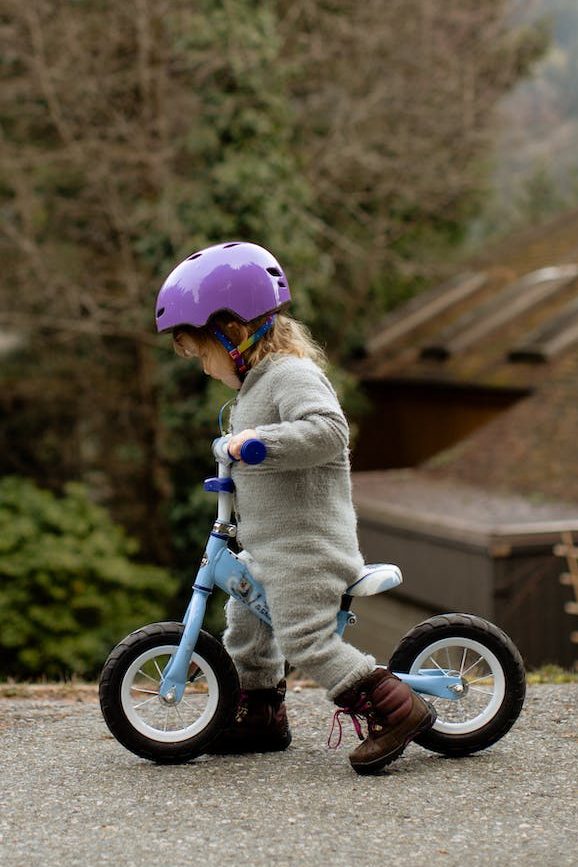
Rhode Island

Rhode Island, also known as the Ocean State, is the smallest state in the United States but it is known for many things. One of the main things Rhode Island is known for is its beautiful coastline and beaches. The state has numerous beaches, including the famous Narragansett Beach, which attracts tourists from around the world. Rhode Island is also known for its seafood, especially clam cakes and chowder.

The state has a rich history as well, being one of the original 13 colonies and home to many historic sites such as the Newport Mansions and the Roger Williams National Memorial. Additionally, Rhode Island is known for its universities, including Brown University and the Rhode Island School of Design, which are both located in Providence.

Sustainability in Rhode Island

Rhode Island is considered to be one of the leading states in sustainability efforts. The state has taken significant steps to reduce its carbon footprint and promote environmentally friendly practices. Rhode Island is known for its commitment to renewable energy, with a goal of achieving 100% renewable energy by 2030. The state has also implemented a Green Economy Bond program, which provides funding for projects related to energy efficiency and renewable energy.

Rhode Island has also made efforts to reduce waste and promote recycling. The state has a 50% recycling goal, and has implemented a ban on certain types of plastic bags and foam containers. Additionally, Rhode Island has implemented a food waste ban, which requires certain businesses to divert food waste from landfills.

Compared to other states, Rhode Island is considered to be a leader in sustainability efforts. The state’s commitment to renewable energy and waste reduction has earned it recognition and awards from various organizations. However, there is always room for improvement, and Rhode Island continues to work towards achieving even greater sustainability goals.

Recycling in Rhode Island

Rhode Island is one of the leading states in the US when it comes to recycling. According to the Rhode Island Resource Recovery Corporation, the state’s primary recycling agency, Rhode Island has a recycling rate of about 40%. This means that 40% of the total waste generated in Rhode Island is recycled, which is higher than the national average of 35%.

Rhode Island has several initiatives in place to encourage recycling, such as the Recycle Together RI program, which provides resources and information to residents and businesses on how to recycle properly. Additionally, Rhode Island has a bottle deposit law, which incentivizes people to return their empty bottles and cans for recycling by offering a refund.

The state has set a goal of achieving a 50% recycling rate by 2025, and it is actively working towards achieving this target. Recycling not only helps to reduce the amount of waste sent to landfills, but it also conserves natural resources and reduces greenhouse gas emissions. So, it is important for everyone to do their part in recycling to help protect our planet.

How to Recycle in Rhode Island

Rhode Island is known for being one of the greenest states in the US, with a recycling rate of over 35%. Recycling is an important way to reduce waste and preserve our planet, and Rhode Island offers many ways to recycle.

Firstly, it’s important to know what can and cannot be recycled. In Rhode Island, you can recycle paper and cardboard, glass bottles and jars, plastic bottles and containers (with the recycling symbol #1-7), metal cans, and cartons. Items that cannot be recycled include plastic bags, styrofoam, and electronics.

To recycle, you can use your curbside recycling bin, which is provided by your local city or town. Make sure to follow the specific guidelines for your area, as some towns have different recycling schedules and requirements. You can also recycle at one of the many recycling centers located throughout the state. These centers accept a wider range of materials, including electronics, scrap metal, and hazardous waste.

In addition to traditional recycling methods, Rhode Island also has a bottle bill system in place. This means that consumers can return certain beverage containers (such as glass bottles and aluminum cans) to designated redemption centers for a refund. This encourages recycling and helps keep these items out of landfills.

Overall, recycling in Rhode Island is easy and accessible. By following the guidelines and utilizing the resources available, we can all do our part in preserving our planet for future generations.


Here are links to help you and your family recycle in Rhode Island:

Rhode Island Resource Recovery Corporation
CLICK HERE

Aududbon Society of Rhode Island – The Truth About Your Recycling Bin
CLICK HERE

NERC – Rhode Island Solid Waste Management & Recycling Program Overview
CLICK HERE

If you enjoyed learning about this, I urge you to join our community of environmentally conscious individuals and share your tips and experiences on living sustainably! If you’d like to feature your website or have any additional resources please feel free to reach out.

Pennsylvania

Pennsylvania is known for many things, including its rich history, diverse culture, and beautiful scenery. One of the most famous historical landmarks in Pennsylvania is Independence Hall, where the Declaration of Independence and the United States Constitution were both signed. The state is also home to several other important historical sites, such as Valley Forge National Historical Park, Gettysburg National Military Park, and the Liberty Bell.

In addition to its history, Pennsylvania is known for its diverse cultural offerings. Philadelphia, the largest city in the state, is known for its world-class museums, including the Philadelphia Museum of Art and the Barnes Foundation. The city is also home to a vibrant music scene, with many well-known musicians hailing from the area.

Finally, Pennsylvania is known for its beautiful scenery. The state is home to several national and state parks, including the Pocono Mountains, the Delaware Water Gap, and Ricketts Glen State Park. These areas offer opportunities for outdoor activities such as hiking, camping, and fishing, and are popular destinations for tourists from around the world.

Sustainability in Pennsylvania

Pennsylvania is a state that boasts a variety of landscapes, including mountains, forests, and coastal areas, which have been put at risk by industrialization and pollution. However, in recent years, Pennsylvania has made great strides in sustainable practices.

In fact, the state government has implemented several initiatives to reduce waste and promote energy efficiency. Pennsylvania’s Sustainable Energy Fund, for example, provides funding for clean energy projects, while the Pennsylvania Department of Environmental Protection promotes recycling and waste reduction. Additionally, Pennsylvania has enacted legislation to reduce greenhouse gas emissions and increase the use of renewable energy sources.

Compared to other states, Pennsylvania is on par with the national average in terms of sustainability. However, there are several states that are leading the way in sustainability practices. While Pennsylvania may not be a leader in sustainability practices, the state is making progress and working towards a more sustainable future.

Recycling in Pennsylvania

According to the Pennsylvania Department of Environmental Protection, Pennsylvania generated 44.7 million tons of municipal waste in 2019. Of that amount, approximately 11.6 million tons were recovered for recycling, translating to a recycling rate of about 26%.

In terms of specific materials, Pennsylvania recycled about 2.4 million tons of paper and paperboard, 1.8 million tons of ferrous metals, 1.3 million tons of organic materials, and 1.2 million tons of plastics in 2019.

Pennsylvania also has a statewide electronics recycling program, which collected approximately 53.6 million pounds of covered devices in 2019. Additionally, Pennsylvania implemented a Covered Device Recycling Act in 2010, which requires manufacturers of covered devices such as televisions and computers to provide recycling programs for their products.

Overall, while Pennsylvania has made significant progress in recycling efforts, there is still room for improvement in increasing the amount and types of materials recycled.

How to Recycle in Pennsylvania

Pennsylvania is a state that is committed to preserving the environment by encouraging recycling and waste reduction efforts. Recycling is an easy and effective way to protect the environment and conserve natural resources. In this document, we will discuss how to recycle in Pennsylvania.

First, it is important to know what materials can be recycled in Pennsylvania. Commonly recycled materials include paper, cardboard, plastic bottles, glass bottles, and aluminum cans. It is important to check with your local recycling program to determine what specific materials they accept.

Next, it is important to properly prepare your recyclable materials. This may include rinsing out containers, removing lids and labels, and flattening cardboard boxes. It is also important to keep recyclables separate from other waste, such as food waste or hazardous materials.

Once you have properly prepared your recyclables, it is time to take them to a recycling center or place them in your curbside recycling bin. Many cities and towns in Pennsylvania have curbside recycling programs, while others may require residents to drop off their recyclables at designated recycling centers.

In conclusion, recycling is an important way to protect the environment and conserve natural resources. By following these simple steps, you can easily recycle in Pennsylvania and make a positive impact on the world around you.


Here are links to help you and your family recycle in Pennsylvania:

Pennsylvania Department of Environmental Protection
CLICK HERE

Recycling In Pennsylvania – PA DEP
CLICK HERE

PA Resources Council – RELEARN RECYCLING
CLICK HERE

If you enjoyed learning about this, I urge you to join our community of environmentally conscious individuals and share your tips and experiences on living sustainably! If you’d like to feature your website or have any additional resources please feel free to reach out.
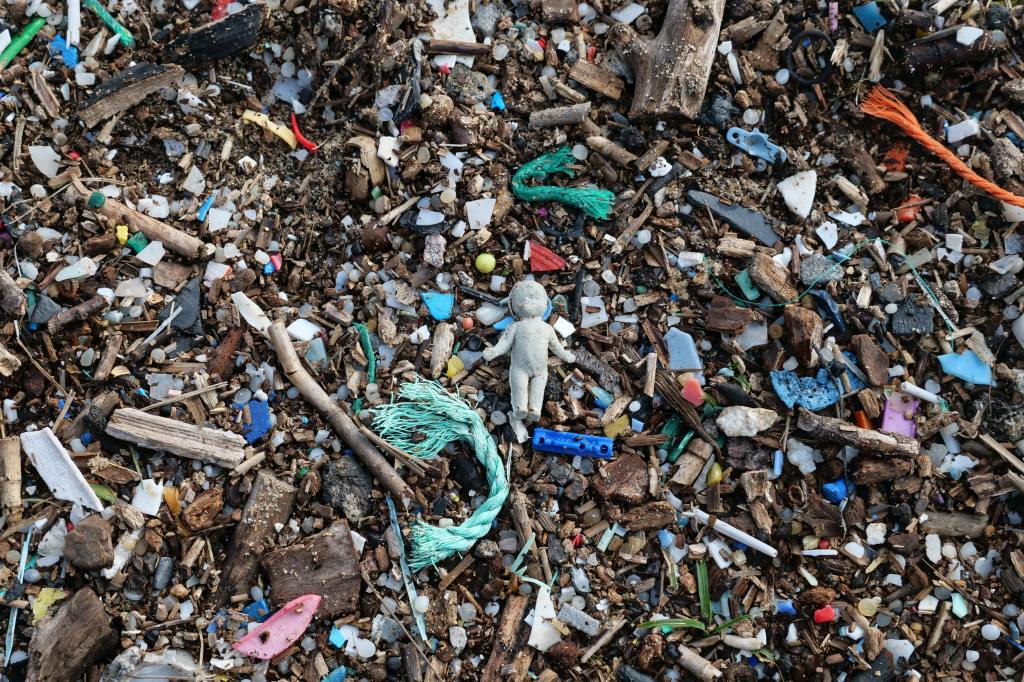
Oregon

Oregon, located in the Pacific Northwest region of the United States, is known for its diverse landscapes and natural beauty. The state is home to many iconic landmarks, including Crater Lake, Mount Hood, and the Oregon Coast, which are popular tourist destinations.

Additionally, the state is known for its progressive political values and commitment to environmentalism. Oregon was the first state in the country to implement a bottle bill, which requires a deposit on all beverage containers to encourage recycling.

The state is home to several Native American tribes, including the Confederated Tribes of Warm Springs and the Confederated Tribes of Siletz Indians. Oregon also has a rich history of Western frontier culture, which can be seen at places like the Oregon Trail Interpretive Center in Baker City.

Oregon is a state that truly has something for everyone. From its breathtaking natural landscapes to its thriving beer culture and commitment to environmentalism, there is no shortage of things to do and see in Oregon.

Sustainability in Oregon

Oregon is often considered a leader in sustainability efforts compared to other states in the US. The state has a reputation for being environmentally conscious and has implemented policies and initiatives to reduce its carbon footprint.

One of the reasons why Oregon is considered a leader in sustainability is its focus on renewable energy. The state has set a goal of using 50% renewable energy by 2040 and has made significant progress towards this goal, with over 40% of the state’s energy coming from renewable sources in 2019.

Oregon has also implemented policies to reduce waste and promote recycling. The state has a bottle deposit program that ensures that many beverage containers are recycled instead of ending up in landfills. Additionally, Oregon has a statewide ban on single-use plastic bags and has implemented composting programs in many communities.

Oregon has also taken steps to promote sustainable transportation, with a focus on reducing reliance on cars. The state has invested in public transportation, bike infrastructure, and electric vehicle charging stations.

Overall, while there is always room for improvement, Oregon has made significant strides in sustainability compared to many other states. Its focus on renewable energy, waste reduction, and sustainable transportation have earned it a reputation as a leader in environmental stewardship.

Recycling in Oregon

Oregon is known for its strong commitment to recycling and sustainability. According to a report by the Oregon Department of Environmental Quality, in 2019, the state achieved a recycling rate of 45.7%, which is higher than the national average of 32.1%.

In terms of materials, the report shows that paper products, including cardboard and mixed paper, made up the largest portion of Oregon’s recycling stream, with a total of 1.2 million tons recycled in 2019. This was followed by metals, such as aluminum and steel, which accounted for 385,000 tons of recycled materials.

The report also highlights efforts by the state to reduce contamination in the recycling stream, which can negatively impact the effectiveness of recycling programs. In 2019, the contamination rate in Oregon’s recycling stream was 9.3%, down from 10.4% in 2018.

Overall, these statistics demonstrate Oregon’s commitment to sustainable waste management practices and the importance of recycling in reducing waste and preserving natural resources.

How to Recycle in Oregon

Recycling is an important step towards preserving our environment and reducing waste. In Oregon, recycling is a priority, and there are many ways to recycle materials in an eco-friendly manner. Here are some steps you can take to recycle in Oregon:

  1. Know what can be recycled: Check with your local recycling facility to find out what materials they accept for recycling. Common items include paper, cardboard, plastic bottles, aluminum cans, and glass bottles.
  2. Prepare your items for recycling: Before recycling items, make sure they are clean and dry. Remove any food residue or liquids from containers, and remove any non-recyclable materials, such as plastic wrap or Styrofoam.
  3. Place items in the correct bin: Separate your recyclable materials and place them in the appropriate bins. Most facilities provide separate bins for paper, plastic, and glass. Be sure to follow the guidelines provided by your local recycling facility.
  4. Consider composting: Many organic materials, such as food scraps and yard waste, can be composted. Composting is a great way to reduce waste and create nutrient-rich soil for your garden.
  5. Reduce your waste: One of the best ways to reduce waste is to reduce your consumption. Consider buying products with less packaging, and avoid single-use items whenever possible.

By taking these steps, you can help reduce waste and contribute to a cleaner, more sustainable environment in Oregon.


Here are links to help you and your family recycle in Oregon:

Oregon Department of Environmental Quality
CLICK HERE

ODEQ – Recycling
CLICK HERE

BottleDrop: Oregon’s Bottle & Can Return program
CLICK HERE


If you enjoyed learning about this, I urge you to join our community of environmentally conscious individuals and share your tips and experiences on living sustainably! If you’d like to feature your website or have any additional resources please feel free to reach out.