10 Fun and Safe Outdoor Activities for Kids

Today’s parents are more concerned with safety due to the increased awareness of potential dangers and risks that children face in the modern world. Let’s face it, times have changed. Let’s not let that stop us from going outside and having some fun with our littles!

Outdoor safety is crucial because it helps prevent accidents and injuries while enjoying nature. Be sure to always follow safety guidelines while helping to preserve the environment and protect wildlife habitats.
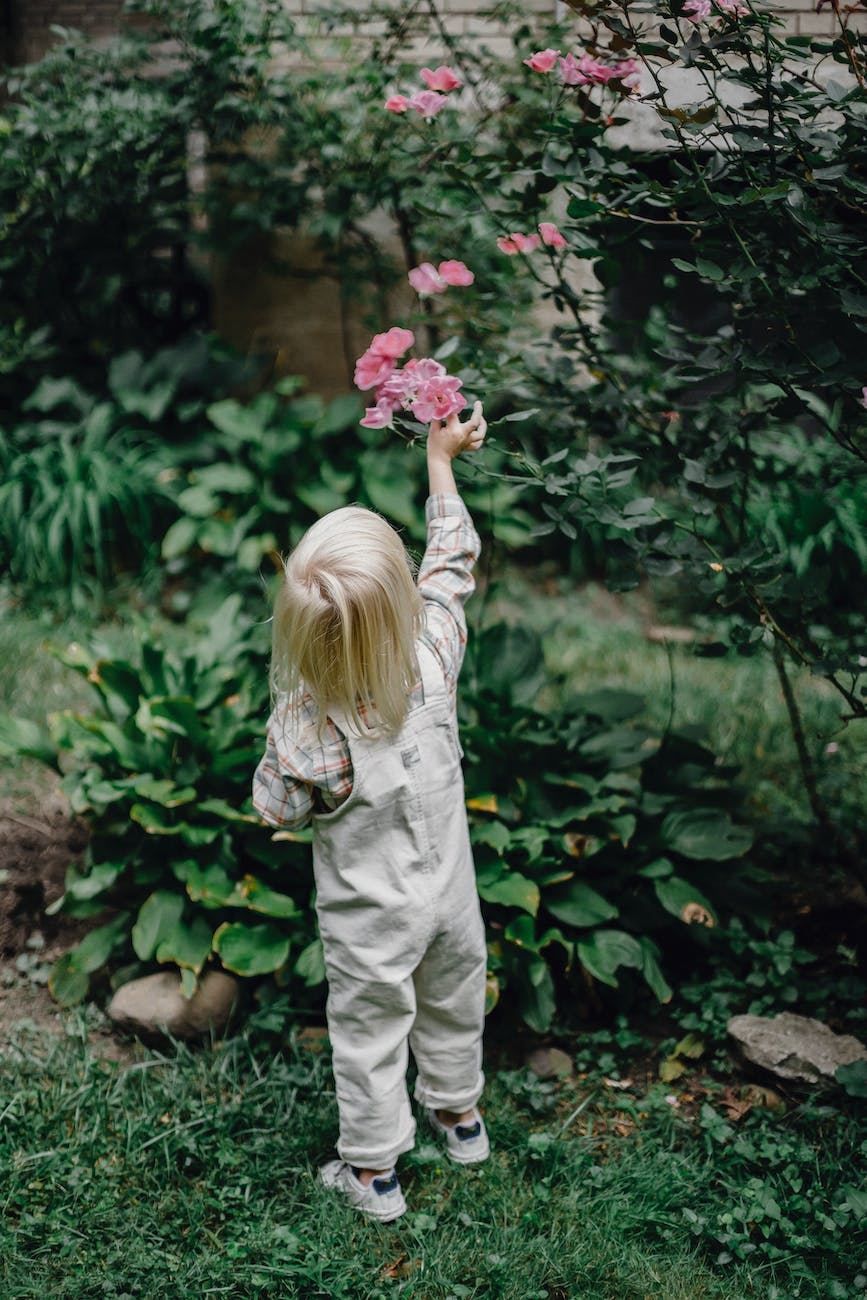
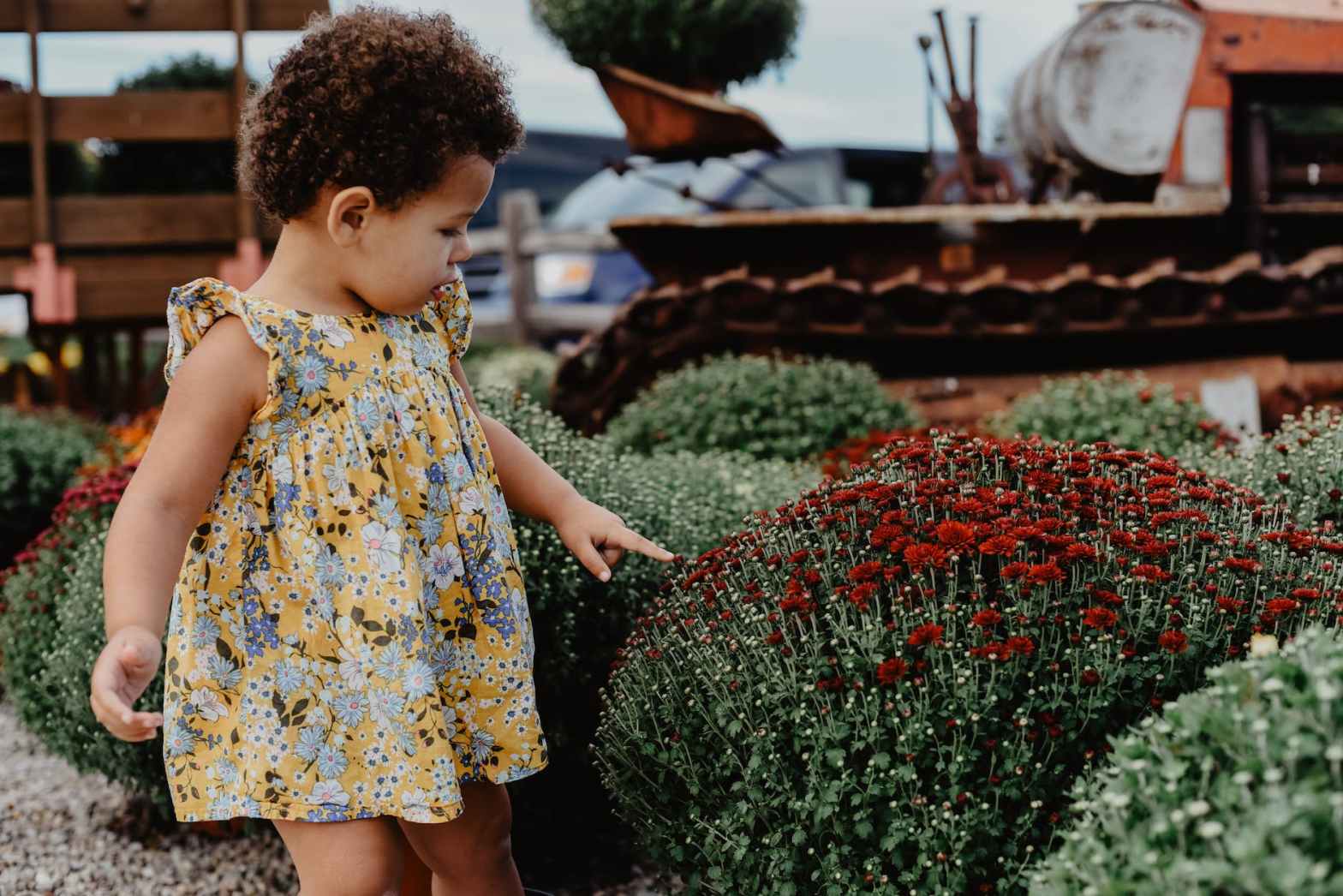
Photo by Allan Mas on Pexels.com


Here is a list of our 10 favorite Fun and Safe Outdoor Activities for the family to try on your next outing!

  • Sensory Walks:
    Take your toddler on a sensory walk where they can touch, smell, and see different things in nature. Check out our fun sensory walk print out!
  • Nature Scavenger Hunt:
    Create a scavenger hunt list of things for your toddler to find in nature, such as a pinecone, a bird, or a flower. Make it your own or use our Scavenger Hunt print out!
  • Water Play:
    Set up a water table or kiddie pool for your toddler to splash and play in, or take them to a nearby beach or lake. Tree is obsessed with this splash pad and this mesmerizing water table.
  • Bubble Blowing:
    Toddlers love bubbles! Blow bubbles for them to chase and pop. These bubbles are sure to keep them entertained for a while! I like to use Fubbles, a no-spill bubble tumbler. It’s refillable and cuts back on any wasted bubble liquid! You can find that HERE on Amazon.
  • Chalk Art:
    Give your toddler some sidewalk chalk and let them create their own masterpiece. Here is a great non-toxic, eco-friendly, littles-friendly option that we love. Zerodis Colored Chalk, sold on Amazon.
  • Picnic in the Park:
    Pack a lunch and head to a local park for a picnic and some playground fun. It can be fun to let them help you with the menu and the packing!
  • Toddler Yoga: Find a fun toddler yoga video on YouTube and do some poses together outside.
  • Mini Golf: Take your toddler to a miniature golf course for some putting practice.
  • Bike Ride: Strap your toddler into a bike seat or trailer and go for a leisurely ride together. Be sure to equip your little with a proper helmet and pads like this KAMUGO Kids Helmet and Pads set sold on Amazon.
  • Outdoor Storytime: Bring a blanket and some books outside for a cozy story time in the fresh air.

In conclusion, there are many fun and safe outdoor activities for toddlers that parents can enjoy with their little ones. It’s important for parents to prioritize safety by supervising their children at all times, providing appropriate gear and selecting activities that are appropriate for their child’s age and abilities. By incorporating outdoor playtime into their daily routines, parents can help their toddlers develop a love for nature and physical activity that will serve them well throughout their lives.
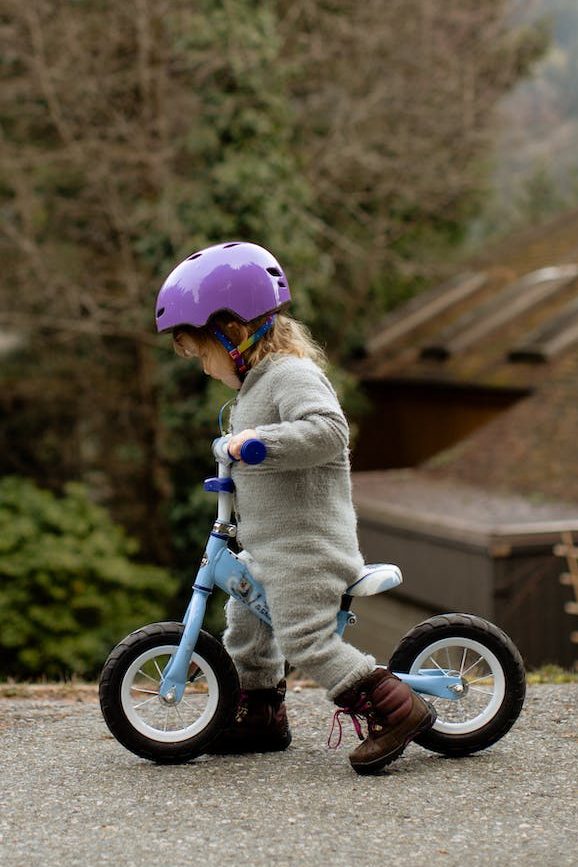
Photo by Tatiana Syrikova on Pexels.com


If you enjoyed this post, I urge you subscribe so you can be the first to know when we post more inspirational content! Do you have a favorite safe outdoor activity? Feel free to chare with the community and don’t forget to recycle!
Alabama

Alabama is known for peanuts, cotton and agriculture industry, southern hospitality, the beautiful gulf coast beaches, its role in the Civil Rights Movement, and college football, especially the intra-state rivalry between University of Alabama and Auburn University.

Most municipal recycling programs in Alabama don’t take glass and many only accept No. 1 and 2 plastics.

Here are links to help you and your family recycle in Alabama:

Alabama Department of Environmental Management
CLICK HERE

Alabama Public Recycling Centers by County Directory
CLICK HERE

Alabama Public Recycling Centers by County Map
CLICK HERE

How recycling works in your city. A look at the five largest in Alabama:
CLICK HERE

If you’d like to feature your website or have any additional resources please feel free to reach out!

5 Reasons Why Toddlers Belong in a Garden

Gardening is an excellent activity for children that has many benefits for their physical and mental health, as well as their development. Research has shown that children who garden have improved hand-eye coordination, better motor skills, increased physical activity, and a greater appreciation for nature and the environment. Additionally, children who garden are more likely to try new fruits and vegetables, which can lead to healthier eating habits in the long run. Gardening with your toddler or child can also be a great way to teach them about sustainability while enjoying time together outside.

Overall, gardening is an enjoyable and educational activity that can benefit children in many ways. Toddlers belong in the garden for several reasons. Here are my top 5:

  1. Exposure to nature: A garden provides an opportunity for toddlers to connect with nature and learn about plants, insects, and the environment. Teaching toddlers about the environment can be beneficial as it encourages them to become responsible stewards of the planet in the future. It can also help them learn about important concepts such as recycling, conservation, and sustainability.
  2. Sensory exploration: Gardens can engage toddlers’ senses through touch, smell, sight, and even taste (with safe edible plants). They can feel the textures of soil and leaves, smell the fragrances of flowers and herbs, and hear the sounds of birds and insects. These sensory experiences can help stimulate their curiosity and creativity.
  3. Physical activity: Gardening can be a fun and active way for toddlers to develop gross motor skills like digging, carrying, and watering. Gardening activities such as digging, picking fruits, and watering plants can help them develop fine motor skills and hand-eye coordination.
  4. Improved Mental Health: Gardens can inspire toddlers to use their creativity and imagination as they explore and interact with the natural world. Additionally, exposure to sunlight and fresh air can boost their immune system and improve their mood.
  5. Learning and responsibility: Caring for a garden can teach toddlers about responsibility and help them develop important life skills like patience, nurturing, respect for nature, and problem-solving. When they see the plants grow and thrive, they learn the value of taking care of something. They also learn about the cycle of life and the importance of sustainability.

Overall, gardening is a great way to connect toddlers with nature and provide them with valuable life lessons. By involving them in the process of growing and harvesting their own food, you can help them understand the importance of reducing our carbon footprint and preserving the planet for future generations. So why not get outside and start gardening with your toddler or child today?

If you enjoyed learning about this, I urge you to join our community of environmentally conscious individuals and share your tips and experiences on living sustainably! If you’d like to feature your website or have any additional resources please feel free to reach out.

Why Should I Recycle? + How To Make Recycling Part of Your Daily Routine

Recycling is a rockstar when it comes to environmental sustainability and conservation! Recycling is the process of converting waste materials into new products, reducing the need for virgin raw materials, and decreasing the amount of waste sent to landfills. There are several reasons why recycling is so important.

To recycle effectively, it’s important to understand what can and cannot be recycled in your area. Commonly recycled materials include paper, cardboard, plastic, glass, and metal. However, it’s important to check with your local recycling program to see what materials they accept and how they should be sorted.

Recycling and waste disposal have significant environmental impacts. According to the Environmental Protection Agency (EPA), recycling reduces greenhouse gas emissions by conserving energy, reduces landfill space, and conserves natural resources such as timber, water, and minerals.

On the other hand, improper waste disposal can lead to soil and water pollution, which can harm wildlife and humans. The EPA also reports that landfills are the third-largest source of human-made methane emissions in the United States.

The Significance of Recycling and Proper Waste Disposal

Recycling and proper waste disposal play a crucial role in minimizing our environmental impact. Here are some additional reasons why:

Benefits of recycling:

  • Preserves natural resources like timber, water, and minerals by decreasing the need for new raw materials. By recycling materials such as paper, plastic, metal, and glass, we can decrease our reliance on virgin raw materials. This, in turn, reduces the environmental impact of mining, logging, and other resource extraction activities.
  • Conserves energy by using recycled materials instead of starting from scratch. For instance, recycling aluminum cans saves 95% of the energy required to make new cans from raw materials.
  • Reduces greenhouse gas emissions by decreasing the energy needed to extract, transport, and process raw materials. This reduces the amount of fossil fuels burned and greenhouse gases emitted during the manufacturing process. Recycling cuts greenhouse gas emissions by an average of 2.1 metric tons of carbon dioxide equivalent per ton of materials recycled.
  • Helps decrease landfill space by diverting materials from landfills, which can lengthen the lifespan of existing landfills and prevent the need for new ones.

Importance of proper waste disposal:

  • Prevents soil and water pollution that can harm wildlife and humans. If not disposed of properly, hazardous materials like batteries, electronics, and chemicals can release toxic substances into the environment.
  • Reduces the risk of fires and other safety hazards. Improperly disposed of materials like flammable liquids and gases can ignite and cause fires or explosions.
  • Helps reduce the amount of waste that goes to landfills. Landfills take up valuable land space, and can release harmful gases and leachate into the environment. When non-biodegradable materials like plastics are buried in landfills, they can take hundreds of years to decompose. By recycling, we can decrease the amount of waste sent to landfills, and reduce the environmental impact of waste disposal.
  • Saves resources and energy by minimizing the need for new materials and reducing the amount of waste that requires transportation and processing.

In conclusion, recycling and proper waste disposal are critical for minimizing our environmental impact and conserving natural resources for future generations. By taking the initiative to recycle and dispose of waste properly, we can all contribute to creating a more sustainable future.


Make Recycling Part of Your Daily Routine

To incorporate recycling into your daily routines, you can take specific steps such as setting up recycling bins at home, work, and school, labeling the bins properly, and educating yourself on what materials can be recycled.

As individuals, we can all make a difference in protecting the environment and reducing waste. Here are some additional steps that can be taken to further promote a sustainable lifestyle:

  • Composting: Instead of throwing away food scraps and yard waste, create a compost pile in your backyard or use a composting bin. Composting helps to reduce the amount of waste that ends up in landfills and also creates nutrient-rich soil for gardening. For more tips on composting food waste check out my post here.
  • Purchasing products with minimal packaging: When shopping, look for products that have minimal packaging or packaging that is recyclable. This reduces the amount of waste that ends up in landfills and also saves resources.
  • Choosing energy-efficient appliances: When purchasing new appliances, look for ones that are energy-efficient. This will not only save you money on your energy bills but also reduce your carbon footprint.
  • Using public transportation or carpooling: By using public transportation or carpooling, you can reduce the amount of emissions released into the environment. This is especially important in urban areas where traffic congestion and air pollution are major issues.
  • Supporting environmentally-friendly businesses: When shopping, consider supporting businesses that prioritize sustainability and environmental responsibility. This could include companies that use renewable energy sources, have a zero-waste policy, or donate a portion of their profits to environmental causes.

For more ideas on how to make Recycling part of your daily routine, read my posts, 9 Must-Have Green Products for a Sustainable Home and 5 Ways to Live a More Sustainable Life!

By incorporating these additional steps into our daily routines, we can all play a role in promoting a more sustainable future and protecting the planet for generations to come.

Recycling and proper waste disposal are crucial for the health of our planet and the well-being of future generations.

By taking action now, we can reduce the amount of waste that ends up in landfills or pollutes our oceans. Every item we recycle or dispose of properly is one step closer to a cleaner, safer world.

Let’s act with urgency and make a difference today!


Do you have an environmentally-friendly business or product you’d like to feature on this post? Do you have any tips on how to make recycling part of your daily routine? If so, reach out to me below! If you enjoyed learning about why you should recycle, I urge you to join our community of environmentally conscious individuals and share your tips and experiences on living sustainably!

10 Ways to Reuse Your Glass Jars

Recycling Glass

Glass recycling is an important aspect of waste management, and has become increasingly popular in recent years due to its environmental benefits. According to the Glass Packaging Institute, the glass recycling rate in the United States was 33.1% in 2020. This means that out of the 11.3 million tons of glass generated in the US in 2020, 3.7 million tons were recycled.

Glass is 100% recyclable, and can be recycled endlessly without losing quality or purity. Recycling glass also saves energy, as it requires less energy to melt recycled glass than to melt raw materials. In fact, recycling one ton of glass saves approximately 42 kilowatt-hours of energy.

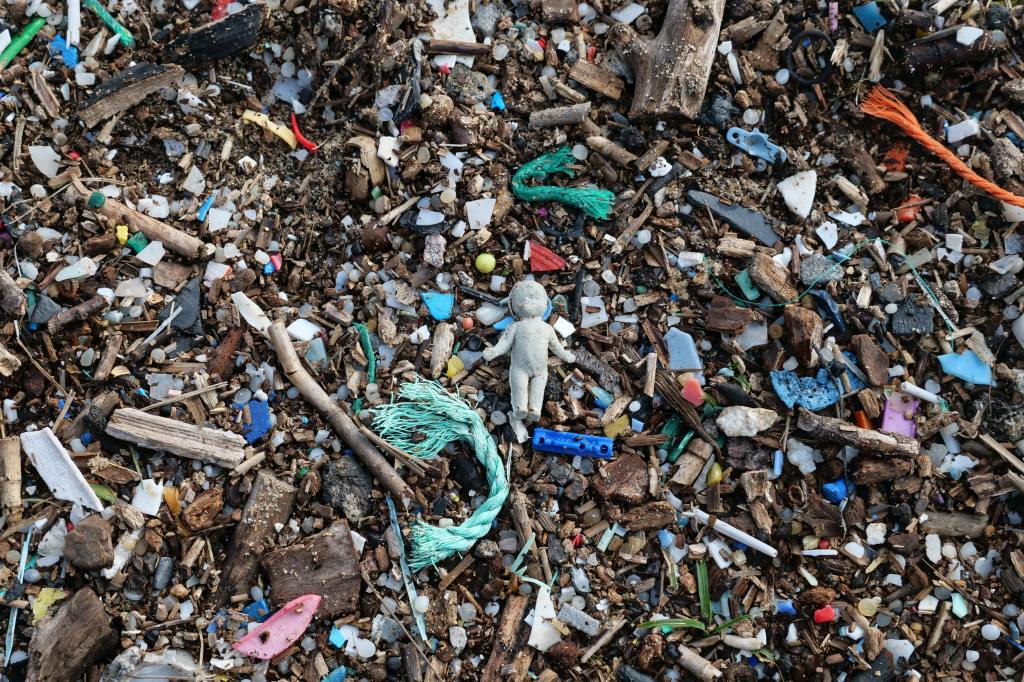
Recycling glass can also have a positive impact on the environment by reducing landfill waste. Additionally, glass in landfills can pose a risk to wildlife and the environment. By recycling glass, we can reduce the amount of waste in landfills and help protect the environment.

While recycling glass is awesome, reusing it is important too!

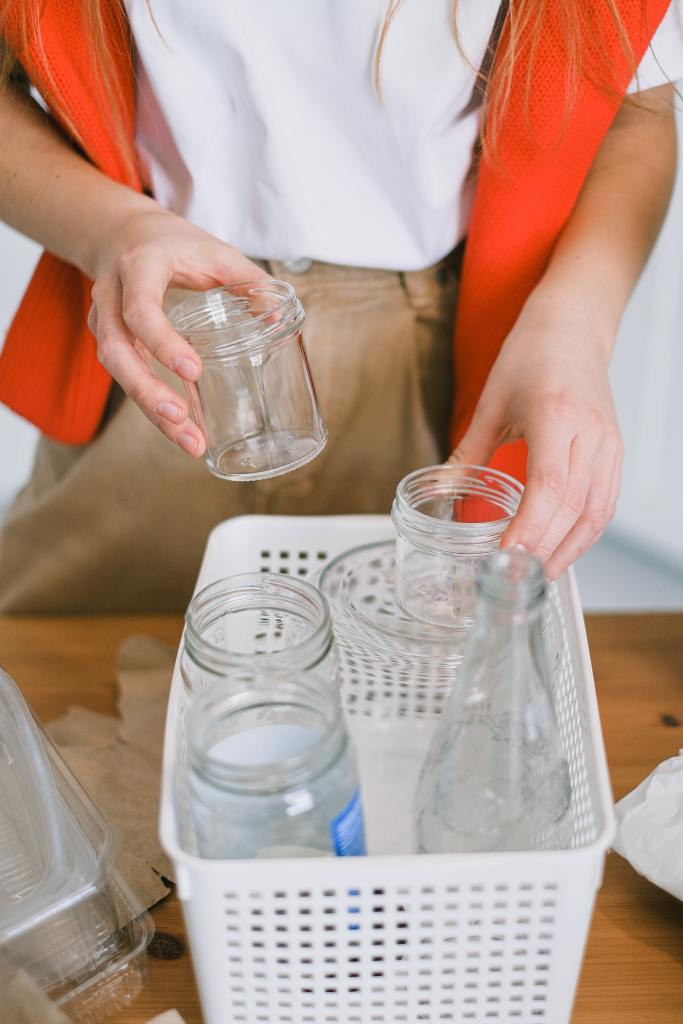
Recycling is a fantastic way to help reduce waste and lessen the amount of garbage that ends up in landfills. However, it’s important to remember that recycling isn’t the only way to be environmentally responsible. Reusing items, such as glass containers, can also have a significant impact on the environment.

Another benefit of reusing glass is that it can save you money. Instead of constantly buying new containers or bottles, you can simply wash and reuse the ones you already have. This can also be a great way to reduce your carbon footprint, as the production and transportation of new products requires energy and resources.

Recycling glass is certainly a positive step towards a more sustainable future, but reusing glass is just as important. By finding creative ways to reuse glass containers and bottles, we can reduce waste, conserve resources, and even save money. So next time you finish a jar of pickles or a bottle of wine, consider how you might be able to give it a second life.

10 Ways to Reuse Your Glass Jars

If you are like me, something primal inside of you tells you “don’t throw that jar out” every time you clean out a shiny new pickle jar. There are many reasons why you should consider reusing your glass jars rather than throwing them away. Reusing glass jars is an eco-friendly option as it reduces the amount of waste that ends up in landfills. When glass is thrown into landfills, it can take up to one million years to decompose! Glass is a material that can be easily recycled, but reusing the jars is even better as it requires less energy and resources than recycling.

Reusing your glass jars is a simple yet effective way to reduce waste, save money, and get creative with your storage and DIY projects. The enticing possibilities of these glistening receptacles are seemingly endless but here is a quick list of fun things to do with your growing collection!

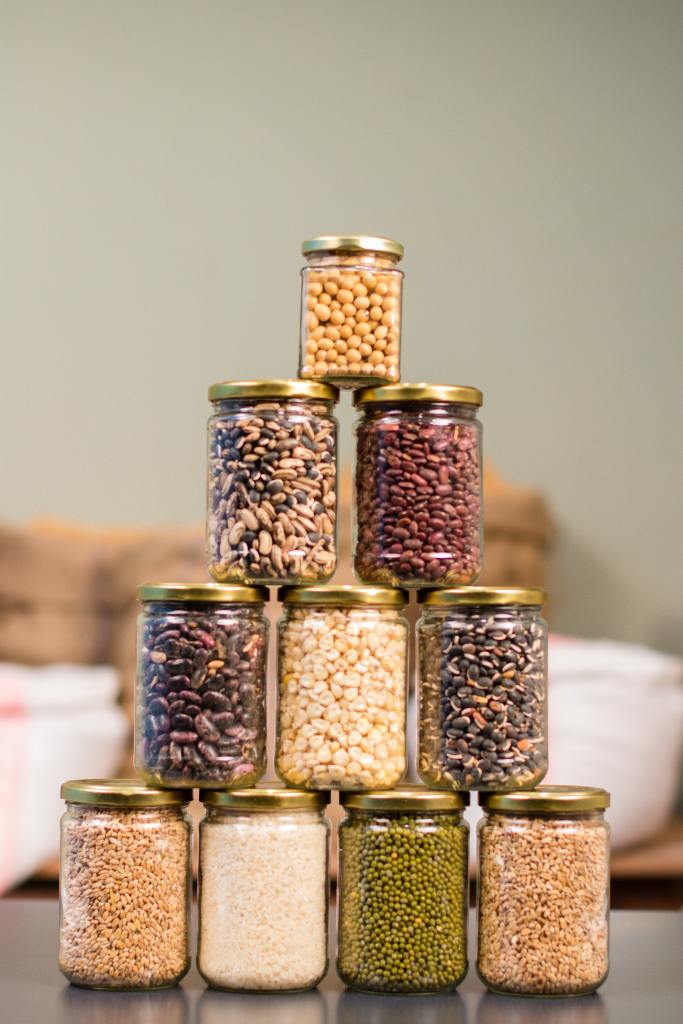
#1 Use them for storing dry goods like rice, pasta, or beans.

#2 Create a DIY herb garden by planting herbs in a glass jar.

To plant herbs in a jar:
Choose a large jar, adding pebbles for drainage and potting soil.
Select herbs that will thrive indoors.
Transplant the herbs and water them well.
Place the jar in a sunny location.
Care for the herbs by keeping the soil moist, fertilizing every 4-6 weeks, and trimming regularly.

#3 Use them as vases for flowers or as candle holders.

#4 Make your own homemade salad dressing and store it in a glass jar.


Making salad dressing in a jar is a quick and easy process that involves adding all ingredients in the jar, starting with the oil, followed by vinegar or lemon juice and other ingredients, and shaking the jar vigorously for 30 seconds. Adjust the ingredients as needed and store the dressing in the refrigerator until you’re ready to use it.

#5 Use them as drinking glasses or for serving drinks at a party.

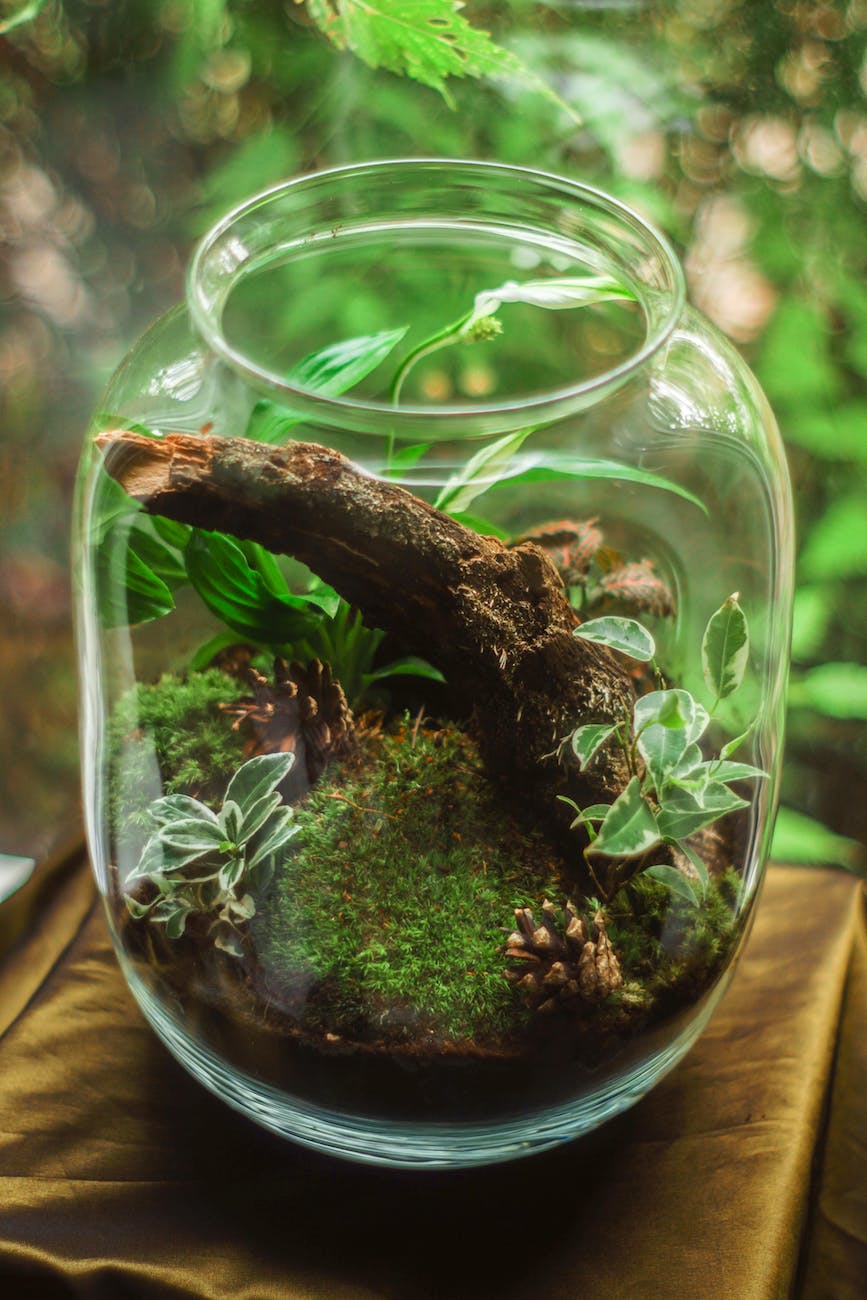
#6 Create a DIY terrarium by planting small plants in a glass jar.

Photo by Katarzyna Modrzejewska on Pexels.com

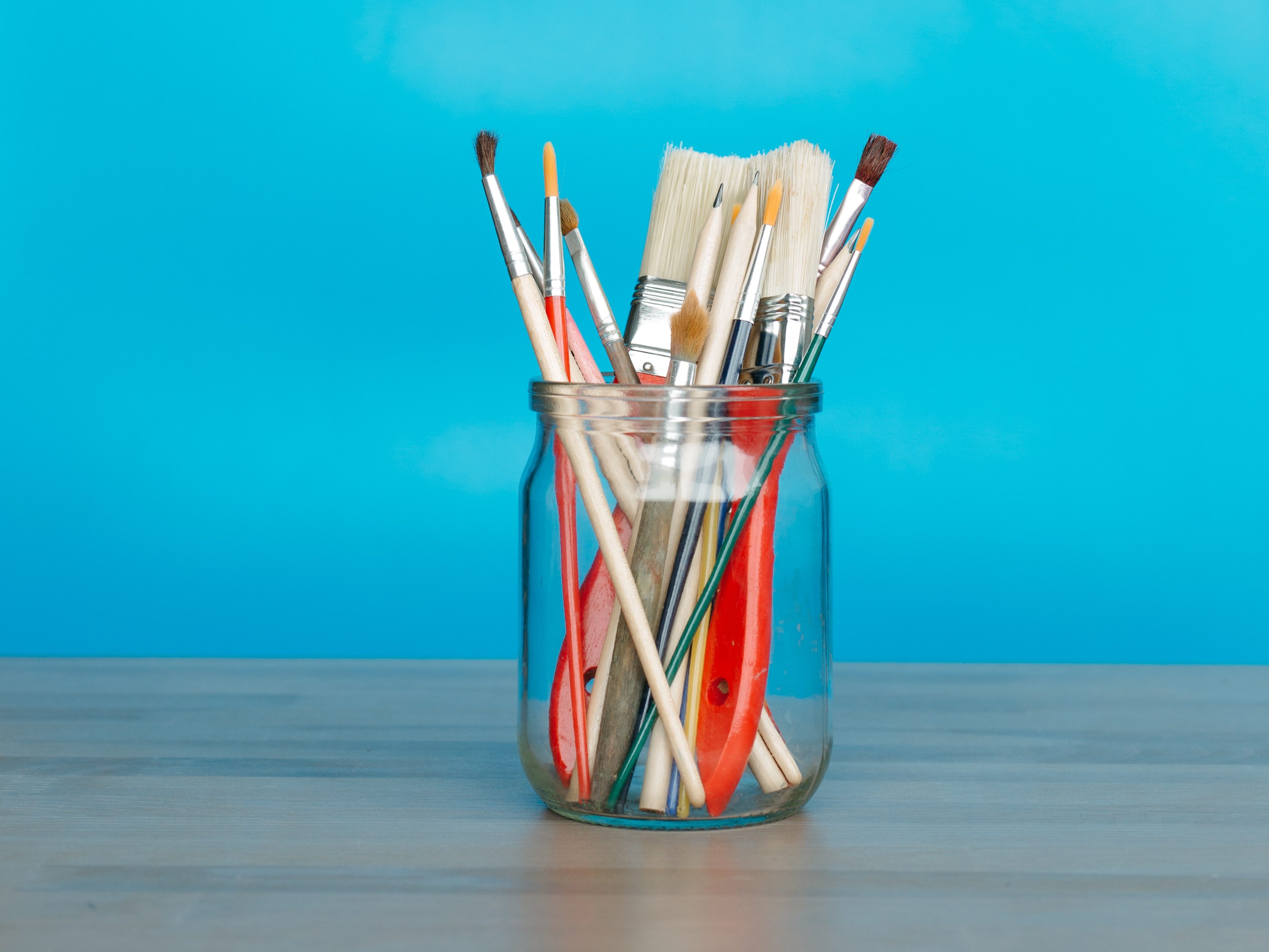
#7 Use them for storing craft supplies like beads, buttons, or paintbrushes.


#8 Create a unique centerpiece by filling a glass jar with colorful stones or shells.

#9 Use them for organizing small items like paperclips, rubber bands, or screws.

#10 Use them to fill up on your household goods at your local refill store.

Photo by Anna Tarazevich on Pexels.com


If you enjoyed learning about recycling and reusing your glass jars, I urge you to join our community of environmentally conscious individuals and share your tips and experiences on living sustainably!

How to: Home Made Orange Peel Cleaner + Benefits of the Orange Peel

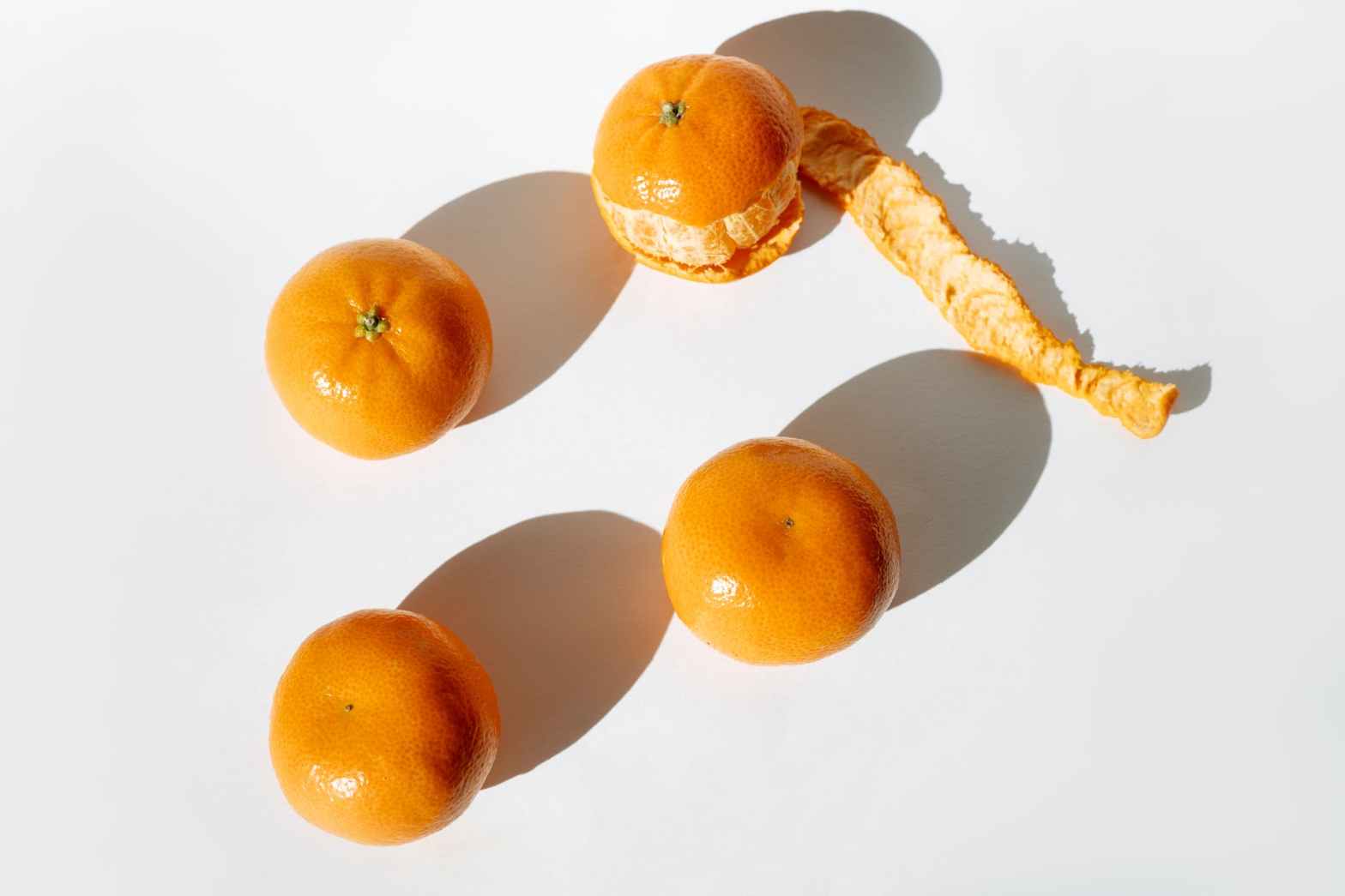
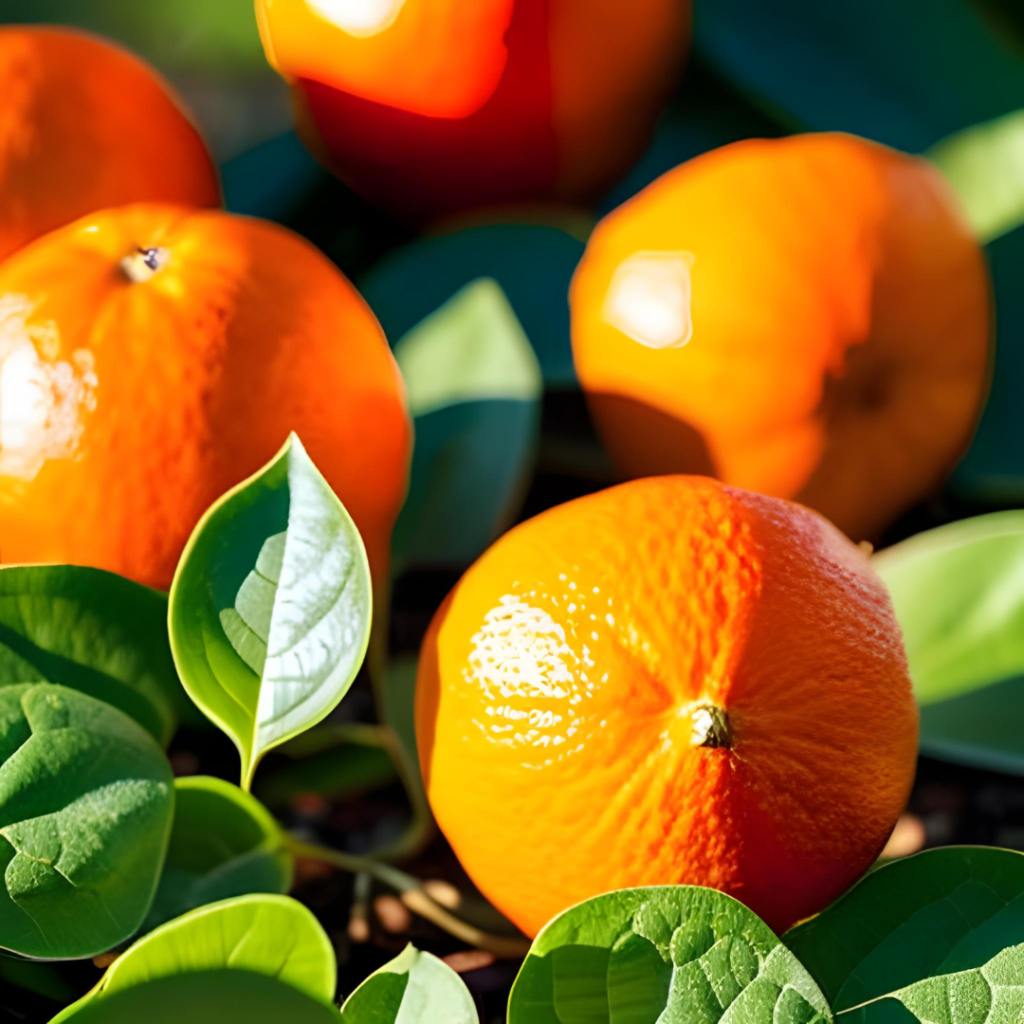
Orange peels are often discarded as waste, but they can actually serve many valuable purposes. From flavor to fertilizer to repellant, the humble orange peel can be used in many ways to further sustainable living. In this post I’ll outline some great reasons to keep Orange Peels OUT of our land fills and include some ideas to help you get started.

The orange peel contains nutrients such as vitamin C, fiber, and antioxidants. It may also have anti-inflammatory properties and can be used in cooking to add flavor to dishes.

Orange peels contain flavorful oils that can be used in cooking and baking. The zest of an orange can add a bright, citrusy flavor to everything from cakes to cocktails. By using orange peels instead of throwing them away, we can reduce our reliance on artificial flavorings and create delicious, all-natural dishes.

Additionally, some people use orange peel as a natural cleaner or as an ingredient in skincare products.

To make my favorite Orange Smoothie Boosters:

Clean and scrub whole oranges and then boil in a large pot until tender. (About 15-20 minutes.) Puree whole oranges in processor or blender. Pour into ice cube trays and freeze. That simple! Add a few to any smoothie to boost vitamin C and fiber and to add a punch of citrus!

Why would you want to use your orange peels for cleaning?

Orange peel contains natural oils and compounds that have powerful cleaning properties, such as limonene and citric acid. These compounds can help dissolve grease and grime, remove stains, and leave surfaces smelling fresh. Additionally, using orange peel as a cleaner is an eco-friendly and cost-effective alternative to many commercial cleaning products that may contain harsh chemicals.

To make my favorite Orange Peel Cleaner:

Save your orange peels (along with any other citrus peels) in a spare glass jar. Be sure to rip the peels into teeny-tiny pieces or even cut with scissors to make tiny strips! Once full, fill that jar with White Vinegar, making sure to completely cover the orange peels. Let the solution sit for at least 1 week. The longer it sits, the stronger the citrus smell! Pour the citrusy vinegar into a spray bottle and dilute slightly with water. Spray on surfaces just like any other multi-surface cleaner! You can repeat this process with the same peels multiple times. Once the citrus juices are nearly spent, use them in the garden!

Other uses for your orange peels:

Orange peels can also be a useful addition to your garden. They contain nutrients such as nitrogen, phosphorus, and potassium that are beneficial for plant growth. You can chop them up and sprinkle them around your plants as a natural fertilizer, or mix them into your compost pile to add some acidity. Be sure to avoid using orange peels near plants that are sensitive to citrus, such as brassicas and beans, as it may harm them.

There are several plants that have an affinity for acidity, including Blueberries, Azaleas, Rhododendrons, and Camellias. These plants require soil with a pH level between 4.5 and 6.0 to grow properly. Other plants that prefer acidic soil include Evergreens and many deciduous trees as well as Dogwood, Gardenia, Begonias, and, Nasturtium.

Orange peels contain a natural compound called d-limonene which is known to repel insects. Although it may not be as effective as other commercially available insect repellents, you can use the peels as a natural insect repellent by placing them in areas where insects are likely to enter, such as windowsills and doorways. The strong citrus smell of orange peels can also be unappealing to furry creatures such as cats, rodents, and squirrels!


Bonus DIY: Orange, Sage, and Cinnamon Simmer Pot

For more things to do with your Orange Peels, try this DIY! Here’s what you’ll need:

  1. A tiny pot
  2. Orange peels and/or dried orange slices
  3. Sage
  4. Cinnamon

For my simmer pot, I used some fancy dried blood orange slices I just happened to have left over. Plain old orange peels would do just fine here! After all, it’s all going to the compost in the end. While any fragrant herb would do, I used my mottled Sage trimmings from a recent garden harvest. This is a great way to use some of your uglier herbs that you would want to use for cooking. Finally, I used Cinnamon sticks, which I think will serve you way better then the messy powder.

Throw them all in the pot, cover with water, and boil to your heart’s delight! I absolutely love how this fills up my whole house with the scent of fall!

Check out my quick tutorial here:

@roxrecycles

Hoping this delicious simmer pot will bring out the fall weather! 🙏🍂 #simmerpot #smelloffall #simmerpotspell #simmerpotrecipe #sage #banana

♬ BANANA SHAKE (SPED UP) – HUS


All-in-all, orange peels are a fragrant delight with many hidden uses. By finding creative ways to use orange peels, we can reduce waste, support sustainable living, and enjoy a range of benefits for ourselves and the environment. So the next time you have an orange, think twice before tossing the peel in the trash – it could have a valuable second life.

If you enjoyed learning about these orange peel benefits, I urge you to join our community of environmentally conscious individuals and share your tips and experiences on living sustainably.

Together, we can create a brighter and greener future for generations to come!

6 Easy Steps to Hot Composting and Why You Should Do It

Composting is one of the easiest way to reduce waste and give your garden the boost it needs!

Composting helps to reduce the amount of organic waste that ends up in landfills, which in turn reduces the production of harmful greenhouse gases that are generated when this waste decomposes. Instead, organic waste can be transformed into nutrient-rich soil that can be used to grow plants, which is a much more sustainable alternative.

As you can imagine, the cost of compost has risen along with everything else so a free supply could really help your pocket as well! Composting can help you save money by providing you with nutrient-rich soil for your garden or plants, eliminating the need to purchase expensive fertilizers or soil amendments. In addition, composting can help to conserve water by increasing the soil’s ability to retain moisture, which can be especially important in areas where water is scarce.

What Can I Compost?

  • Fruit and vegetable scraps
  • Coffee grounds and filters
  • Tea bags
  • Eggshells
  • Nutshells
  • Grass clippings
  • Leaves
  • Yard trimmings
  • Sawdust
  • Wood chips
  • Shredded newspaper
  • Cardboard
  • Paper towels
  • Cotton and wool rags
  • Hair and fur
  • Dryer and vacuum cleaner lint

It is important to note that there are some items that should not be added to a compost pile, such as meat, dairy products, oils, and pet waste. These items can attract pests and slow down the composting process.

Coffee grounds are a great addition to compost because they are rich in nitrogen, which helps to break down organic matter and add nutrients to the soil. They also improve soil structure and water retention, making them a beneficial addition for gardeners.

To compost tea bags, first remove any staples, strings or tags. Then, simply add the tea bags to your compost bin along with other compostable materials like fruit and vegetable scraps, yard waste, and shredded paper. The tea bags will decompose over time and add valuable nutrients to your compost.

To compost eggshells, simply rinse them and let them dry. Then crush them into small pieces and add them to your compost bin or pile. Eggshells are a great source of calcium for your compost and help to balance the pH levels.

You can compost paper made from natural materials such as uncoated paper, newspaper, paper towels, and tissue paper. However, it is best to avoid glossy or coated paper as they may contain chemicals that are harmful to the composting process. Additionally, it is important to shred the paper into small pieces before adding it to the compost pile to help it decompose more quickly.

It is not recommended to compost bones as they take a long time to decompose and can attract pests. Some gardeners have found that they can be added to compost after being very well cooked, dried, and ground into bone meal. Others have found benefits to simply burying bones or small carcasses directly into the garden. I would suggest a deep hole to avoid any critters digging up your garden!

Hot Composting

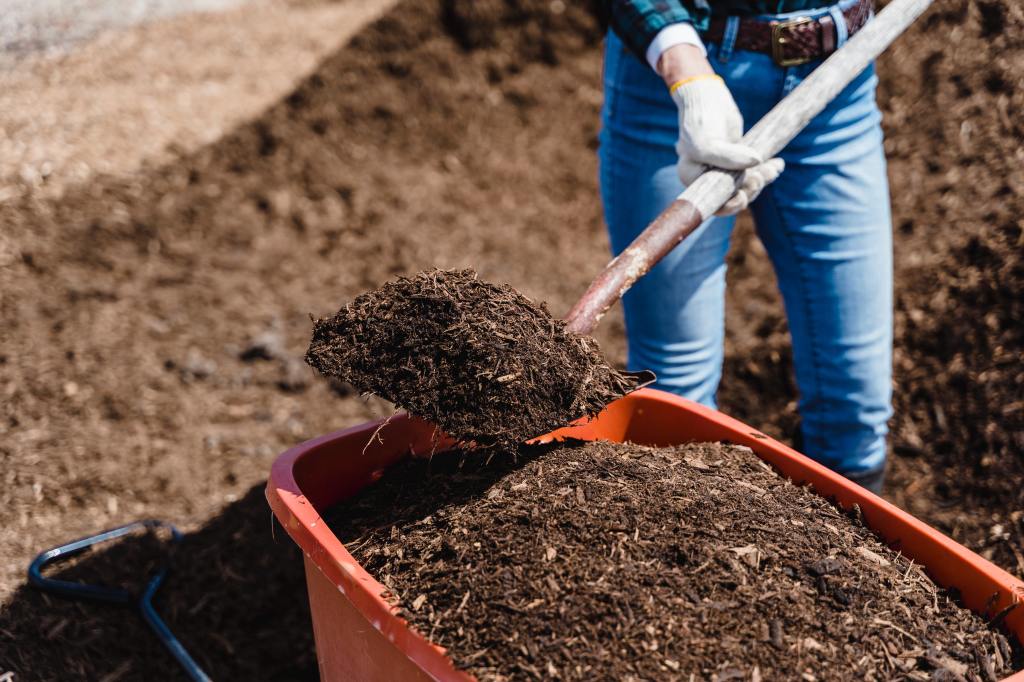
Hot composting is a method of composting that uses high temperatures to break down organic material quickly. It typically involves layering organic materials such as leaves, grass clippings, and food scraps in a pile, and then regularly turning the pile to promote the breakdown of the material. The high temperatures generated by the composting process help to kill off pathogens and weed seeds, resulting in a more efficient and effective composting process.

Here are the basic steps to hot compost:

  1. Gather your materials, including a mixture of “green” nitrogen-rich materials and “brown” carbon-rich materials.
  2. Create a pile or bin with your materials, making sure it is at least 3 feet by 3 feet by 3 feet in size.
  3. Keep the pile moist, but not too wet.
  4. Turn the pile frequently, about once a week, to add oxygen and distribute heat.
  5. Monitor the temperature of the pile with a thermometer, aiming for a temperature between 130 and 160 degrees Fahrenheit.
  6. After about 1-3 months, the compost should be ready to use in your garden or landscaping.

How to make a Kitchen Compost Bin

To make a kitchen compost bin, you will need a container with a lid, such as a plastic bin or a metal bucket. Drill several small holes in the bottom and sides of the container to allow for air flow.

Place a layer of soil or shredded paper at the bottom of the container, and then add your food scraps, such as fruit and vegetable peelings, eggshells, and coffee grounds.

Cover the scraps with another layer of soil or shredded paper, and repeat the layering process until the container is full. Make sure to keep the compost moist and turn it occasionally to promote decomposition.

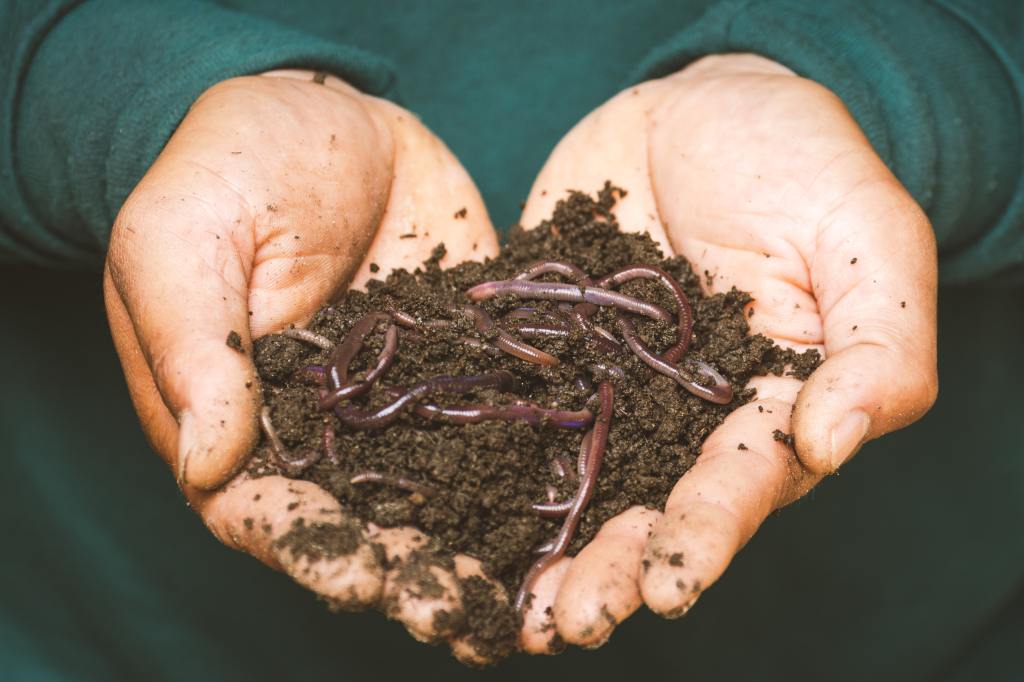
Once the container is full you can either burry the compost into your garden or start a compost pile somewhere out-of-the-way so is can further break down.

The trick to keeping a kitchen compost bin from stinking is to ensure there is enough brown material included. If you should notice a smell from the bin you can either empty it, or add in a little soil or shredded paper.

Overall, composting is a simple yet powerful way to promote sustainability and protect the environment for future generations.

If you enjoyed learning about composting, I urge you to join our community of environmentally conscious individuals and share your tips and experiences on living sustainably! If you’d like to feature your website or product, share your tips on composting, or have any additional resources please feel free to reach out.

Sustainable Camping Tips and 10 Things To Do While Camping

Camping is a wonderful way to connect with nature and enjoy some time outdoors.

It allows you to disconnect from technology, get some exercise, bond with family and friends, and reduce stress levels. Camping can provide a refreshing break from screens and constant notifications while creating lasting memories in the great outdoors. Most importantly, camping is a budget-friendly vacation option. With a little bit of planning and preparation, it can be a low-cost way to enjoy the outdoors and create lasting memories.

So if you’re looking for a way to recharge and connect with the natural world, consider packing up your tent and heading to the great outdoors for a camping adventure.

Camping and Littering

Camping is an excellent way to get out into nature but, unfortunately, some people treat the wilderness as their personal trash can. According to a recent study by the Leave No Trace Center for Outdoor Ethics, 96% of surveyed campers said that littering is a problem in the outdoors.

In particular, the study found that cigarette butts are the most commonly littered item, followed by food wrappers, plastic bottles, and cans. The study also found that campers who stay longer in the outdoors tend to produce more litter than those who stay for shorter periods.

It is important to remember that littering not only spoils the natural beauty of the outdoors, but it can also harm wildlife and the environment.

Here are some tips to stay litter-free while camping:

  • Bring reusable containers and utensils to minimize waste. To save space I’d suggest these Reusable Gallon Freezer Bags. You could even use one to hold a few sets of flatware from home or you could purchase this cute ZOKU Pocket Utensil Set from Amazon.
  • Plan meals and bring only the necessary amount of food to reduce excess packaging and leftovers. To avoid attracting wildlife to your campsite, store your food and trash in a bear-resistant container or hang it from a tree at least 10 feet off the ground and 4 feet away from the trunk.
  • Dispose of trash properly by using designated bins or packing it out if there are no facilities available. If you have paper trash, such as paper plates or napkins, you can burn them in a campfire. Make sure the fire is completely out before leaving the campsite.
  • Use biodegradable soap for cleaning dishes and personal hygiene to minimize harm to the environment. I like to use Sierra Dawn Campsuds, a camping safe all-purpose cleaner, that can be purchased through Amazon HERE.
  • Avoid single-use items like plastic water bottles and instead bring a refillable water container. I suggest a stainless steel cup like this ThermoFlask from Amazon.
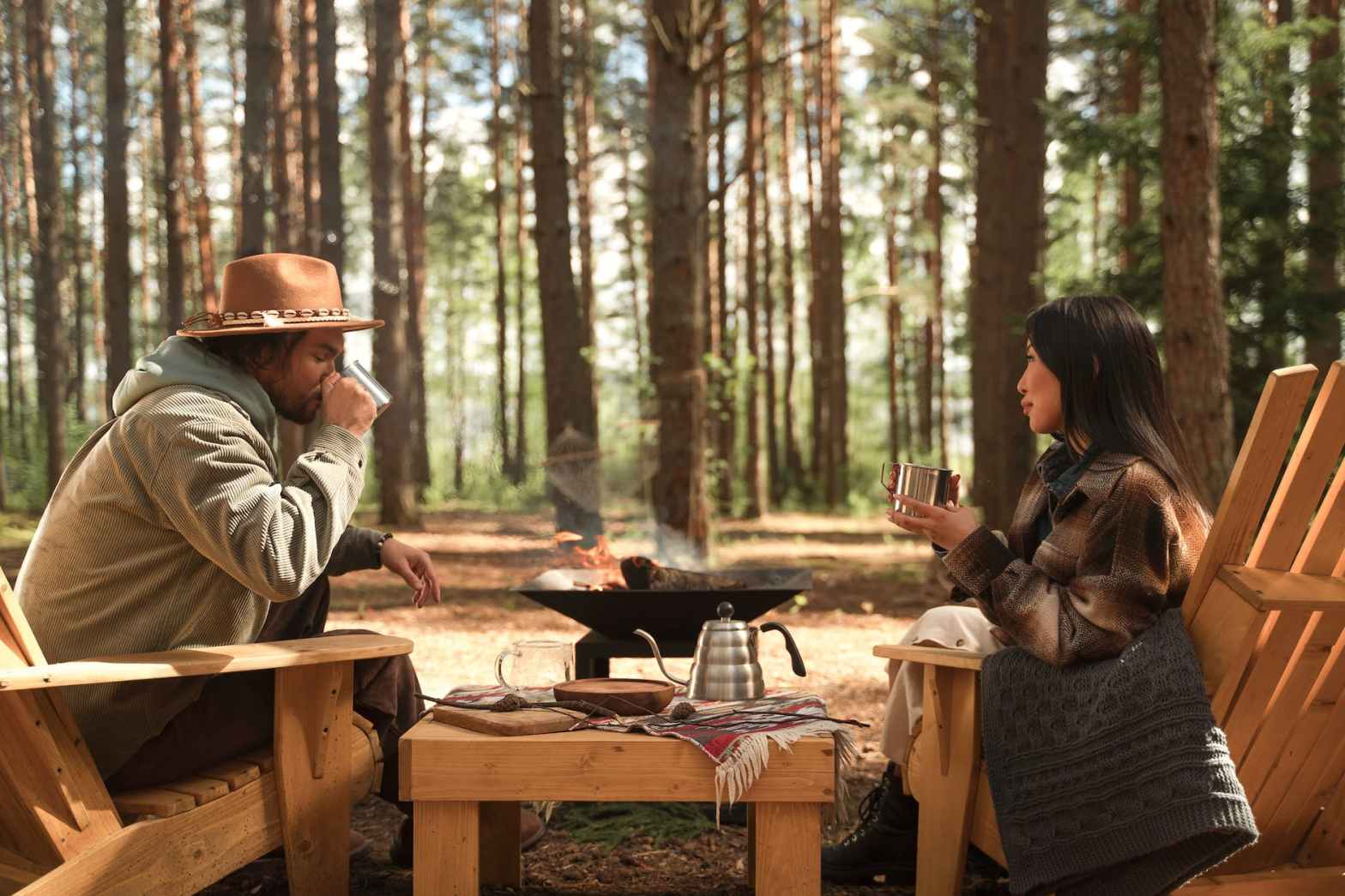
Photo by Anastassiya Golovko on Pexels.com


When planning your camping trip, it’s essential to think about the activities that you want to do while you’re there. This could include hiking, fishing, swimming, campfire cooking, stargazing, or simply relaxing in a hammock. By making a list of these activities, you can ensure that you bring any necessary equipment, such as hiking boots, fishing gear, or a telescope.

Overall, making a list of things to do while camping is essential for staying organized and making the most of your time in nature. Whether you’re an experienced camper or a first-time adventurer, taking the time to plan ahead can help ensure a successful and enjoyable trip.

Need some ideas? Here is my list of our favorite things to do while camping!

10 Things To Do While Camping

  1. Go for a hike and explore the surrounding nature.
  2. Build a campfire and roast marshmallows for s’mores.
  3. Try stargazing and identifying constellations.
  4. Play outdoor games like frisbee, catch, or horseshoes.
  5. Cook meals over the campfire or on a portable stove.
  6. Take a swim or go fishing in a nearby lake or river.
  7. Read a book or relax in a hammock.
  8. Take a nature walk and observe the local wildlife.
  9. Tell stories and share experiences around the campfire.
  10. Enjoy the company of friends and family, and unplug from technology.
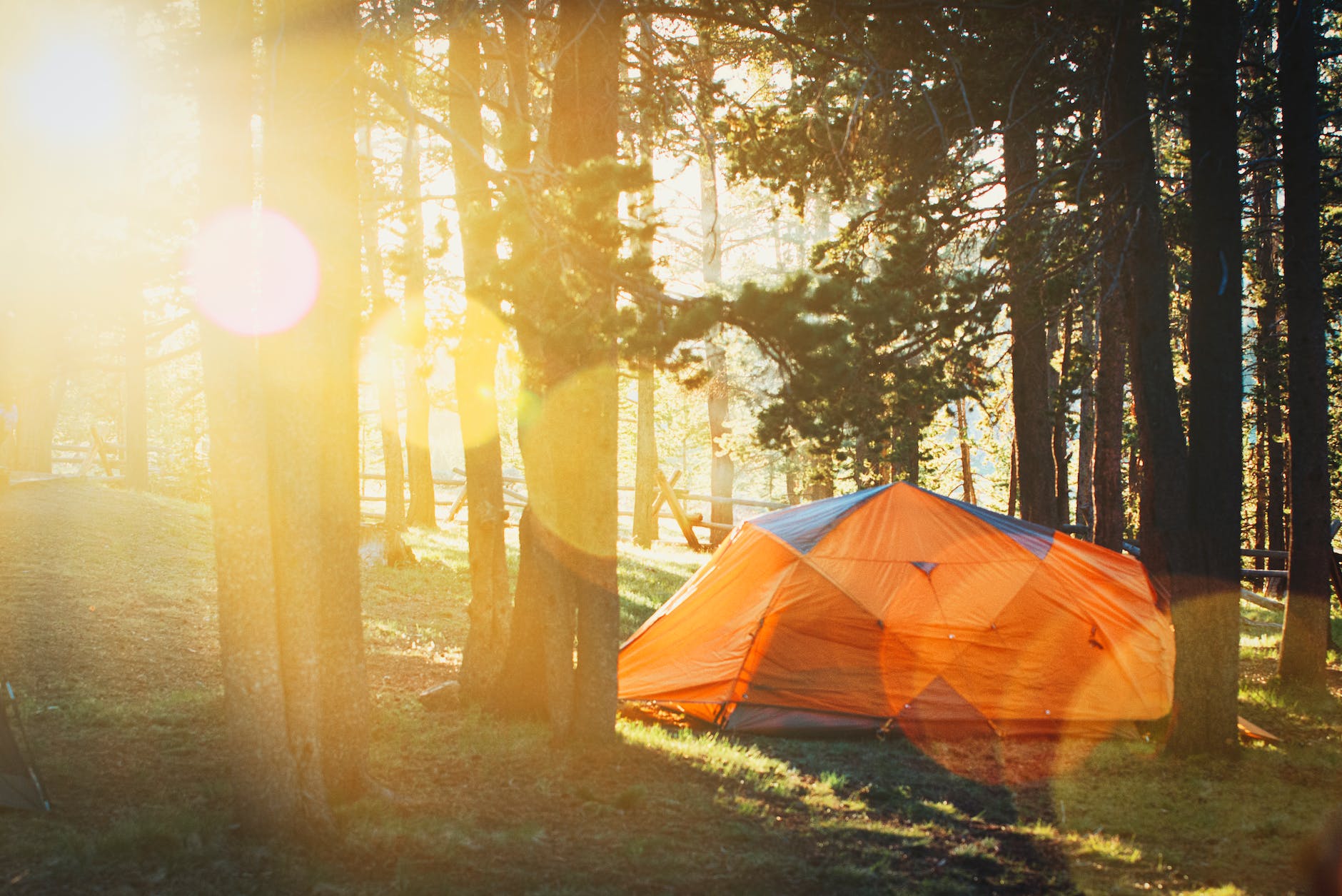
Photo by Todd Trapani on Pexels.com

Camping is a beloved pastime for many of us, but we must also be mindful of the impact we have on the environment. Sustainable camping practices are essential to ensure that we protect the natural beauty of our campsites for ourselves and future generations!

If you enjoyed learning about sustainable camping practices, I urge you to join our community of environmentally conscious individuals and share your tips and experiences on living sustainably! If you’d like to feature your website or have any additional resources please feel free to reach out.