9 Must-Have Green Products for a Sustainable Home

In recent years, there has been an increased awareness of the need for environmentally-friendly products and practices. With the increasing population and industrialization, we are consuming natural resources and creating waste at an alarming rate. This has led to environmental problems such as climate change, deforestation, air and water pollution, and loss of biodiversity.

Human waste is a complex issue that covers a wide range of areas, including food waste, water waste, energy waste, and more. The statistics on human waste are staggering, with billions of tons of waste produced each year. Here are some of the key statistics about human waste:

  • Food waste: According to the Food and Agriculture Organization of the United Nations, around one-third of all food produced in the world is lost or wasted each year. This amounts to approximately 1.3 billion tons of food, which is worth around $1 trillion. This food waste contributes to greenhouse gas emissions and other environmental problems.
  • Water waste: The World Wildlife Fund estimates that humans waste around 80% of the water they use each year. This includes water used for agriculture, industry, and domestic purposes. In many parts of the world, water scarcity is a major problem, and reducing water waste is essential for sustainable development.
  • Energy waste: Humans waste a significant amount of energy each year through inefficient buildings, transportation, and other systems. According to the International Energy Agency, energy efficiency improvements could reduce global energy consumption by up to 12% by 2030.
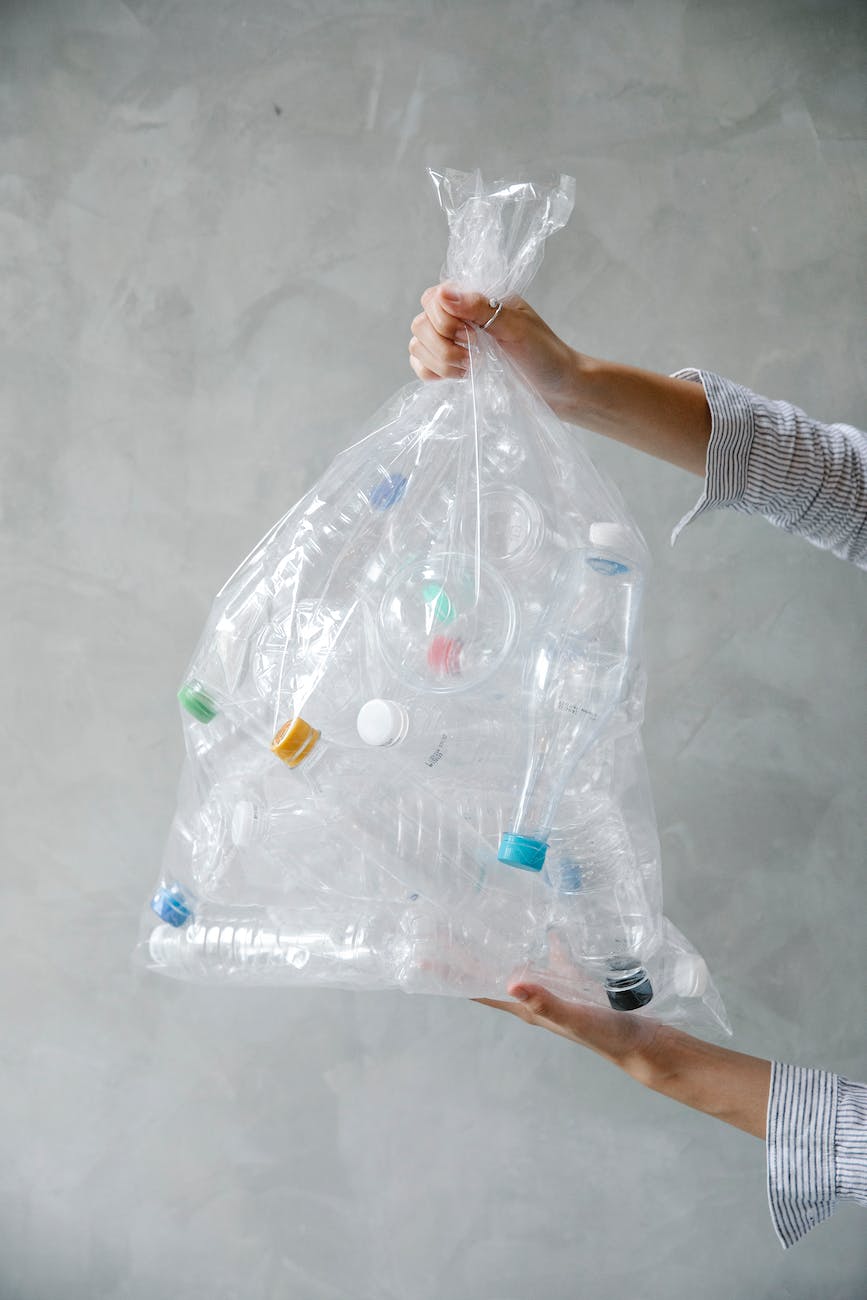
  • Plastic waste: Humans currently produce and discard an estimated 300 million tons of plastic waste every year, according to a report by the World Economic Forum. Most of that ends up in our oceans and it’s estimated that by 2050, there will be more plastic in the ocean than fish by weight.

Photo by Stas Knop on Pexels.com


9 Must-Have Green Products

Environmentally-friendly products and practices aim to reduce this negative impact of human activity on the environment. They promote sustainable use of resources and minimize waste and pollution. For example, using energy-efficient appliances, reducing water usage, recycling, and using renewable energy sources can all help to reduce our carbon footprint and preserve natural resources. One area where we can all make a significant impact is in our own homes.

Here are 9 must-have green products for your sustainable home:

#1 Energy-efficient light bulbs – LED or CFL bulbs can reduce your energy usage and last longer than traditional bulbs. These Smart Light Bulbs from Amazon, can be controlled using your Alexa!

#2 Water-saving fixtures – Low-flow showerheads and faucets can significantly reduce water usage. This High Pressure Handheld Shower Head from Amazon is stylish and Climate Pledge Friendly!

#3 Reusable water bottles – Instead of buying plastic water bottles, invest in a reusable bottle to reduce waste. Your littles will love these Stainless Steel Water Bottles from Zak Designs on Amazon.

#4 Cloth napkins and towels – Switching to cloth instead of paper products can reduce waste and save money in the long run. These Reusable Paper Towels come already rolled up for you and can be purchased from Amazon.

#5 Composter – Composting food waste is an excellent way to reduce landfill waste and create nutrient-rich soil for gardening. Here is a Dual Chamber Tumbling Composter that is made of 100% recycled resin and can be purchased on Amazon and shipped to your door. For more tips on composting without a compost tumbler, check out my post about Hot Composting.

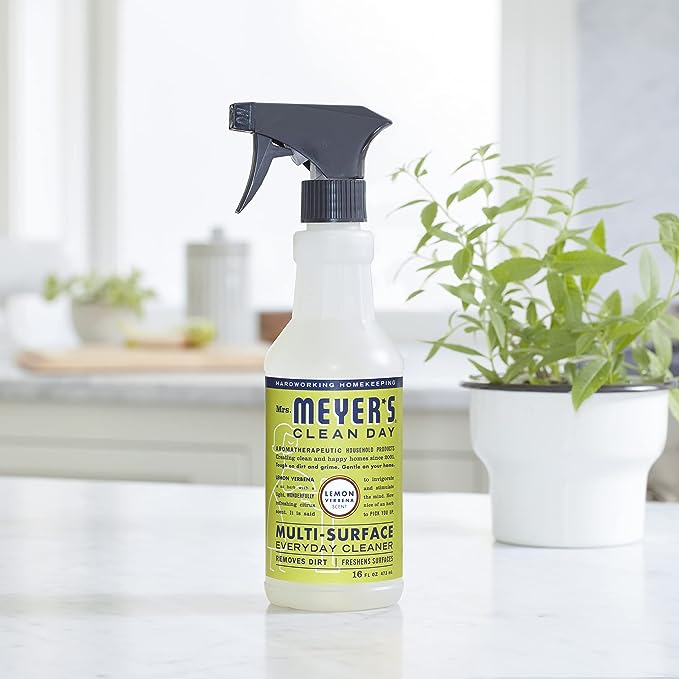
#6 Natural cleaners – Avoid harsh chemicals and choose natural cleaning products made from ingredients like vinegar and baking soda. I am in LOVE with Mrs. Meyer’s products because it is a natural cleaner and it is sold almost everywhere now! I buy mine HERE on Amazon.
#7 Energy-efficient appliances – Look for appliances with the ENERGY STAR label, which indicates they meet energy efficiency guidelines.

#8 Solar panels – Investing in solar panels can significantly reduce your reliance on traditional energy sources.

#9 Air-purifying plants – Adding plants like peace lilies and spider plants can help improve indoor air quality.

By incorporating these green products into your home, you can reduce your environmental impact and create a more sustainable living space.

In addition to the environmental benefits, adopting environmentally-friendly products and practices can also have economic and social benefits. It can create new job opportunities, promote innovation and technology development, and improve public health and well-being.

Overall, there is a need for environmentally-friendly products and practices to ensure a sustainable future for ourselves and future generations.

Photo by ready made on Pexels.com


If you enjoyed learning about these Must-Have Green Products, I urge you to join our community of environmentally conscious individuals and share your tips and experiences on living sustainably.

Together, we can create a brighter and greener future for generations to come!

7 Messy Outdoor Activities for Toddlers

Messy outdoor activities can be incredibly beneficial for toddlers in numerous ways. It allows them to explore and experience the world around them in a hands-on, sensory way that is not possible indoors.

Messy outdoor activities can be great fun for toddlers, allowing them to express themselves freely and to enjoy the great outdoors.

By engaging in these activities, toddlers can develop a love and appreciation for nature, which can last a lifetime.

Here are 7 of my favorite activities for when my little wants to get messy outside.

#1 Mud Kitchen:

Create a mud kitchen in your backyard with pots, pans, and utensils for your toddler to make mud pies and soup. Creating a mud kitchen for your toddler is not only a fun activity but it also has numerous benefits for their development. Playing with mud can help stimulate your child’s senses and provide a unique sensory experience. They can feel the texture of the mud, smell its earthy scent, and hear the squishing sounds it makes when mixed with water.

A mud kitchen can encourage your child to use their creativity and imagination by allowing them to experiment with different ingredients, mixtures, and recipes. They can also pretend to cook and serve their creations, which can boost their confidence and social skills.

Building a mud kitchen can also help your child develop their gross motor skills by digging, pouring, and carrying heavy pots and pans. It can also improve their hand-eye coordination and fine motor skills by using utensils to mix and scoop the mud.

#2 Sensory Bin:

Fill a large bin with sand, water beads, or rice for your toddler to explore with their hands and tools. Playing with sensory bins can be a great way for toddlers to engage in sensory play and develop their fine motor skills. Here are some ideas to make the most out of this activity:

  • Add different types of tools to the bin, such as scoops, spoons, and funnels, to help your toddler develop their hand-eye coordination and dexterity.
  • Encourage your toddler to describe the textures and sensations they are experiencing as they play with the sensory bin. This can help them develop their language and communication skills.
  • Use the sensory bin to introduce new vocabulary words related to the materials you are using, such as “gritty” for sand or “squishy” for mud.
  • Make the sensory bin a themed activity by adding toys or items related to a specific topic, such as ocean creatures or farm animals. This can help your toddler learn about the world around them in a fun and interactive way.
  • Remember to supervise your toddler at all times during sensory play to ensure their safety and prevent them from putting small objects in their mouth.


#3 Painted Rocks:

Let your toddler paint rocks with washable paint and then hide them outside for others to find. Painted rocks are a great way to add some color and creativity to your garden or home décor.

To paint your rocks, you should follow these steps:

  1. Find smooth rocks that are free of cracks and bumps.
  2. Clean them with soap and water and let them dry completely.
  3. Decide and plan what you want to paint on your rocks.
  4. Use acrylic paint to paint your rocks (may take a few coats) and add details with brushes or paint pens.
  5. Let them dry completely before handling them, and add a clear coat of sealant for protection.
  6. Display your painted rocks as paperweights, garden decorations, or gifts for friends and family.


#4 Splatter Painting:

Set up a large canvas or piece of paper outside and let your toddler splatter paint all over it. This activity is not only fun for your toddler but it also helps them develop their creativity and fine motor skills. Here are some additional tips to make the most out of this activity:

  • Use washable, non-toxic paint so that you don’t have to worry about stains on clothes or surfaces.
  • Provide your toddler with different tools to paint with, such as brushes, sponges, or even their fingers. This will help them explore different textures and techniques.
  • Encourage your toddler to experiment with mixing colors by placing different colors of paint in separate containers and allowing them to mix them together on the canvas.
  • Consider using the finished artwork as a decoration for your child’s room or as a gift for a family member or friend.
  • If you don’t have a large canvas or piece of paper, you can use a smaller surface such as a cardboard box or a sheet of paper taped to a wall. This activity can be done both indoors and outdoors.


#5 Ice Cube Painting:

Freeze a few ice cubes with washable paint inside and let your toddler use them to paint on paper. This is a fun and creative activity that is perfect for summer and can help your toddler develop their fine motor skills and explore their artistic abilities. To make it even more exciting, you can try some variations of this activity, such as:

  • Using different colors of paint in each ice cube to create a colorful painting.
  • Adding some glitter or small beads to the paint before freezing to add some texture to the painting.
  • Using different materials to paint on, such as cardboard or fabric, to create a unique piece of art.
  • Encouraging your toddler to experiment with different painting techniques, such as stamping the ice cube or rubbing it across the paper.

No matter how you choose to do it, this activity is sure to provide some fun and creative entertainment for your little one. Plus, it’s easy to clean up and can be done indoors or outdoors!

#6 Shaving Cream Art:

Spray shaving cream on a large surface outside and let your toddler draw and create designs in it. Talk about nostalgia! This activity can be both fun and educational for your toddler. Here are some ways to enhance the experience:

  • Encourage your toddler to use different tools, such as spoons or forks, to create designs in the shaving cream.
  • Talk to your toddler about the different shapes and patterns they are creating. This can help improve their cognitive and language skills.
  • Use the opportunity to teach your toddler about colors by using different colored shaving creams or adding food coloring to the cream.
  • Take photos of your toddler’s creations to share with family and friends or to create a keepsake for your child.
  • Use this activity as an opportunity to teach your toddler about cleaning up. Encourage them to help you clean up the shaving cream and put away the tools. This can help teach responsibility and teamwork.

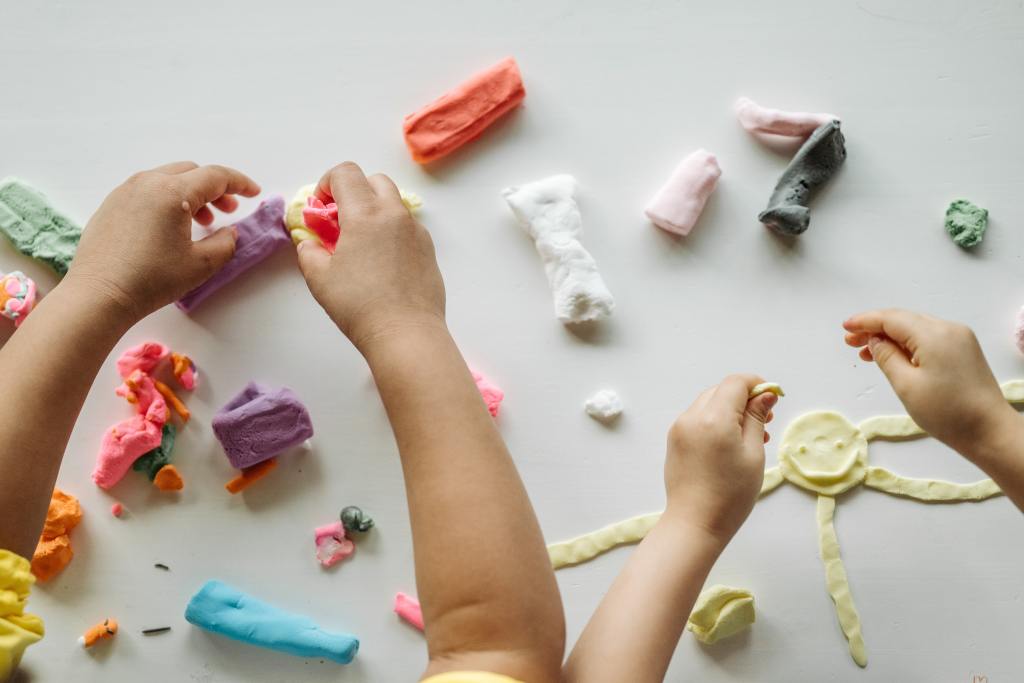
#7 Play Dough Fun:

Make some homemade play dough and take it outside for your toddler to mold and shape. Making homemade play dough is a fun and easy activity that can be done with children of all ages. Here’s a simple recipe that you can try:

Ingredients:

  • 2 cups all-purpose flour
  • 3/4 cup salt
  • 4 teaspoons cream of tartar
  • 2 cups water
  • 2 tablespoons vegetable oil
  • Food coloring (optional)

Instructions:

  1. In a large saucepan, mix together the flour, salt, and cream of tartar.
  2. Add the water and vegetable oil to the saucepan and stir until everything is combined.
  3. Cook the mixture over medium heat, stirring constantly, until it forms a thick ball of dough. This should take about 3-5 minutes.
  4. Remove the dough from the heat and allow it to cool for a few minutes.
  5. If you want to add food coloring, divide the dough into smaller portions and knead in a few drops of food coloring until the desired color is achieved.
  6. Store the play dough in an airtight container.

That’s it! You now have homemade play dough that you and your children can play with for hours. Have fun!

I hope you enjoyed this list and are excited to try a few with your little! Let me know how they worked out and share your results, I would love to see all the messy fun you have. If you enjoyed learning about these activities, I urge you to join our community of environmentally conscious individuals and share your tips and experiences on living sustainably!

Delaware

Delaware, known as the First State, is famous for being the first state to ratify the US Constitution. In addition, Delaware is a popular tourist destination for its beautiful beaches and rich history, with several museums and historical sites showcasing its past. The state is also home to the University of Delaware, a top-ranked research university, and Delaware State University, a historically black university.

In Delaware, there are several options available for recycling. You can check with your local government to find out if curbside recycling is available. If not, you can take your recyclables to a local recycling center. Delaware’s Universal Recycling Law requires businesses, institutions, and multi-family dwellings to recycle, so recycling bins should be available if you work or live in one of these buildings.

Here are links to help you and your family recycle in Delaware:

Delaware Recycles Recyclopedia: What Can I Recycle in Delaware?
CLICK HERE

Delaware Solid Waste Authority RECYCLING DROP-OFF CENTERS
CLICK HERE

If you’d like to feature your website or have any additional resources please feel free to reach out!

Connecticut

Connecticut is a state with a rich history, beautiful coastal towns, and prestigious universities. Historical landmarks and museums celebrate its role in the American Revolution, while charming towns like Mystic and Stonington offer picturesque views and unique shopping and dining experiences along the coastline. Renowned universities, including Yale and UConn, contribute to Connecticut’s reputation as a hub of academic excellence.

Connecticut has a strong commitment to recycling and has implemented various programs and regulations to encourage its residents to participate in recycling efforts. In Connecticut, standard items that can be recycled include paper, cardboard, glass bottles and jars, aluminum and steel cans, plastic containers, and cartons. Different municipalities in Connecticut may have different recycling guidelines, so it’s essential to check your city or town’s recycling program to know what you can and cannot recycle.

Here are links to help you and your family recycle in Connecticut:

RecycleCT Wizard – search your material and see if it recycles
CLICK HERE

Connecticut Department of Energy & Environmental Protection – Recycling Program FAQ’s
CLICK HERE

Bozzuto Bros – Recycling for Beginners: How to Recycle in Connecticut
CLICK HERE

If you’d like to feature your website or have any additional resources please feel free to reach out!

Colorado

Colorado is a diverse state with something for everyone, from the Rocky Mountains offering world-class skiing and snowboarding, to a thriving craft beer scene, and a dynamic culinary scene with international cuisines. It is also home to world-class museums, galleries, and theaters.

In Colorado, recycling is widely encouraged and promoted by local authorities to minimize the amount of waste that ends up in landfills. Check with your local recycling center to find out what materials they accept. Most centers accept paper, cardboard, aluminum cans, glass bottles, and plastic containers.

Here are links to help you and your family recycle in Colorado:

Recycle Colorado – Information intended to promote and encourage recycling and to assist those wishing to recycle
CLICK HERE

Blue Mountain Belle – How To Recycle In Denver And Around Colorado
CLICK HERE

Eco Cycle – The State of Recycling & Composting in Colorado
CLICK HERE

City and County of Denver – Recycling information page
CLICK HERE

If you’d like to feature your website or have any additional resources please feel free to reach out!

California

California is the most populous state in the US, and known for famous landmarks like the Golden Gate Bridge, Disneyland, and the Hollywood Walk of Fame. California has a diverse geography including beaches, mountains, deserts, and forests as well as a diverse population and progressive politics.

Most recycling in California is done through a recycling center. More than 1,500 recycling centers offer cash refunds all across the state. To recycle in California simply separate your aluminum, glass, and plastic and take them all to the nearest recycling center.

Here are links to help you and your family recycle in California:

CalRecycle – Protecting California’s environment and climate for the health and prosperity of future generations.
CLICK HERE

Recycle From Home – Kid founded mobile residential and office service.
CLICK HERE

California Fishing Line Recycling Program – information on recycling container locations used to properly discard used fishing line.
CLICK HERE

If you’d like to feature your website or have any additional resources please feel free to reach out!

Arkansas

Arkansas is known for its lakes, rivers, and hot springs, extreme weather and frequent storms, rice and poultry production, its rich folk music tradition, and the only active diamond mine in the United States.

Many cities and towns in Arkansas provide curbside recycling programs that allow you to place your recyclables in a designated bin that is picked up on a regular basis.

If your area does not offer curbside recycling, you can still recycle by taking your recyclables to a recycling center. The Arkansas Department of Environmental Quality maintains a database of recycling centers throughout the state, so you can easily find one near you.

When recycling in Arkansas, it’s important to know what can and cannot be recycled. Common items that can be recycled include paper, cardboard, plastic bottles, and aluminum cans. However, items such as plastic bags, styrofoam, and certain types of glass cannot be recycled in most areas.


Here are more links to help you and your family recycle in Arkansas:


Arkansas Recycling Coalition
CLICK HERE

Keep Arkansas Beautiful Commission
CLICK HERE


If you’d like to feature your website or have any additional resources please feel free to reach out!


Arizona


If you’d like to feature your website or have any additional resources please feel free to reach out!

Alaska

Alaska is known for glaciers, national parks, the vast wilderness, Northern lights, midnight sun, fishing industry, oil industry, and cruises. Recycling has been in Alaska for decades and most communities throughout the state have some form of recycling programs.

Visit The Great State of Alaska’s Division of Environmental Health Solid Waste Program for more information. This page shows resources in your community!

Alaska Waste offers Residential Services for many major areas in Alaska and includes helpful information on what is and is not acceptable.


If you’d like to feature your website or have any additional resources please feel free to reach out!

5 Ways to Live a More Sustainable Life

Sustainable living refers to a lifestyle that prioritizes the use of environmental resources in a way that meets the needs of the present without compromising the ability of future generations to meet their own needs. Essentially, it means living in a way that minimizes harm to the environment and focuses on long-term sustainability. This can involve practices such as reducing energy consumption, recycling, using public transportation or carpooling, eating locally sourced and organic foods, and using renewable energy sources. Let’s break that down.

Reduce Energy Consumption

Reducing energy consumption can help you save money on your utility bills and also have a positive impact on the environment. Here are some tips that you can follow to reduce your energy consumption:

  • Switch off appliances: Make sure to switch off all appliances and electronics when they are not in use. Even when appliances are in standby mode, they can still consume energy.
  • Use energy-efficient light bulbs: Replace traditional incandescent bulbs with energy-efficient LED bulbs. LED bulbs use up to 80% less energy and last up to 25 times longer than traditional bulbs.
  • Unplug chargers: Unplug chargers for phones, laptops, and other electronic devices when they are not in use. Chargers continue to use energy even when the device is not connected.
  • Adjust thermostat: Adjust your thermostat to the lowest comfortable temperature in the winter and the highest comfortable temperature in the summer. This can help reduce your heating and cooling costs.
  • Use natural light: Make use of natural light by opening curtains and blinds during the day. This can help reduce the need for artificial lighting.

Recycling

Recycling is an essential practice that can help reduce waste and conserve resources. By recycling, materials are transformed into new products, reducing the need for new materials and minimizing the environmental impact of manufacturing. Read more about why Recycling Rocks here!

Photo by Sarah Chai on Pexels.com


Using Public Transportation or Carpooling

Using public transportation or carpooling can be an excellent way to save money and reduce your carbon footprint. Here are some tips on how to use each method effectively:

Public Transportation:

  • Plan ahead: Check the schedule of your local bus or train system so that you know when the next one is coming.
  • Buy tickets in advance: Consider purchasing a pass or multiple tickets in advance to save time and money.
  • Be aware of your surroundings: When using public transportation, it is important to be aware of your surroundings and stay alert to your surroundings.
  • Respect other passengers: Make sure to be considerate of other passengers by not taking up too much space or being too loud.
  • Take advantage of free time: You can use your time on public transportation to read, work, or relax.

Carpooling:

  • Find a carpool buddy: Start by asking friends or co-workers if they would be interested in carpooling.
  • Set a schedule: Decide on a schedule that works for everyone in the carpool and stick to it.
  • Coordinate pick-up and drop-off locations: Determine a convenient pick-up and drop-off location for everyone involved.
  • Share expenses: Decide how you will split the cost of gas and other expenses.
  • Be respectful: Make sure to be considerate of your carpool buddy by being on time and not making excessive demands.

Photo by SplitShire on Pexels.com

Eating Locally Sourced and Organic Foods

Finding locally sourced and organic foods can be a great way to support local farmers, promote sustainable agriculture, and ensure that you are consuming healthy, nutritious foods. Here are some tips for finding these types of foods:

  • Visit your local farmers market: Farmers markets are a great place to find locally sourced and organic foods. You can talk to the farmers directly and learn about their growing practices and the food they are selling.
  • Join a Community Supported Agriculture (CSA) program: CSA programs allow you to purchase a share of a local farm’s harvest. You will receive a box of fresh, seasonal produce each week or month, depending on the program.
  • Check out local co-ops and natural food stores: Many co-ops and natural food stores specialize in selling locally sourced and organic foods. They may also be able to provide information on the farms and producers they work with.
  • Research online: There are many websites that can help you find local farmers markets, CSAs, and natural food stores in your area. Some good resources include LocalHarvest.org and EatWild.com.

Check out more information on local resources by state here!

Photo by Alvaro Arano on Pexels.com


Using Renewable Energy Sources

Renewable energy sources are becoming increasingly popular due to their environmental benefits and the cost savings they offer over time. By using renewable energy sources, you can reduce your carbon footprint and save money on your energy bills. It is important to research the different options available to you and choose the one that best fits your needs and budget. Here are some ways to use renewable energy sources:

  • Solar Power: Install solar panels on your roof or in your backyard to generate electricity. Solar energy is a great way to power your home, and you can even sell excess energy back to the grid.
  • Wind Power: Install a wind turbine to generate electricity. Wind power is a great option if you live in an area with strong, consistent winds.
  • Geothermal Energy: Use geothermal energy to heat and cool your home. Geothermal energy uses the earth’s natural heat to regulate the temperature of your home.
  • Hydro Power: Use hydro power to generate electricity. Hydro power uses the energy of moving water to generate electricity. If you have land with a naturally accurring stream, I would highly suggest utilizing that energy with a water wheel.
  • Biomass Energy: Use biomass energy to produce heat or electricity. Biomass energy comes from organic matter such as wood, corn, and other plant material.
Photo by Pixabay on Pexels.com

In conclusion, living sustainably is an important step towards a healthier planet. Starting to live sustainably may seem daunting at first, but it is not impossible. Simple changes in our daily habits can make a significant impact in the long run. It is also important to spread awareness and educate others about the importance of sustainability. By working together, we can create a more sustainable future for generations, reduce our carbon footprint and contribute to a healthier planet for all.

If you enjoyed learning about this, I urge you to join our community of environmentally conscious individuals and share your tips and experiences on living sustainably! If you’d like to feature your website or have any additional resources please feel free to reach out.